The Uncharted Adriatic: Where Vultures Soar and Billionaires Disappear
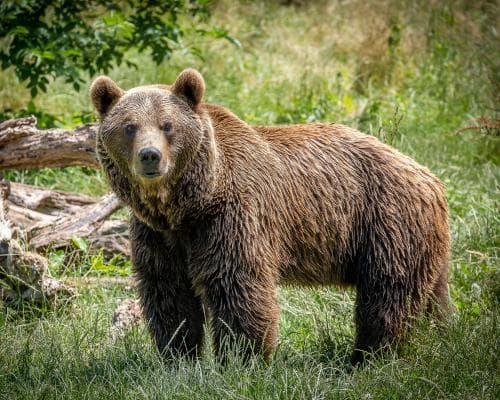
There is a moment, somewhere above the Kvarner Gulf, when the bus climbs the spine of Cres and the world tilts. Below, not a marina full of superyachts, not a line of sunbeds, but a wild, scrubby heath that smells of lavender and thyme. And then the vultures appear—giant griffon vultures, wingspans like small aircraft, gliding so close you could count the feathers. They are not a tourist attraction. They are simply the guardians of the last place in the Adriatic that hasn't been polished for Instagram.
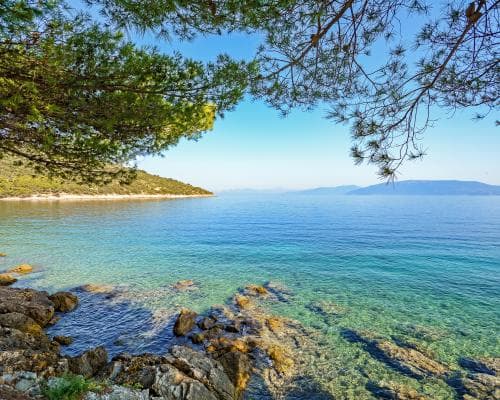
For the ultra-wealthy, the equation has shifted. The Côte d'Azur is a parking lot of ego. Santorini is a selfie stick's fever dream. The true luxury now is not a private island with a staff of fifty—it is an island where the staff are goats, and the only itinerary is the tide. Cres, the least populated of the four main Kvarner islands, offers exactly that. Its towns, like Cres town itself, are quietly set up for holidaymakers, but the locals have been living here since the Venetians, and they haven't changed their pace for anyone. The seas are turquoise, crystal, and shockingly clean—the kind of water that makes you feel like you've discovered it first, even though the Venetians were here six centuries ago.
But the Adriatic is not the only keeper of secrets. Off the coast of Kerry, where the Ring of Kerry draws its caravans of rental RVs, sits Valentia Island. A bridge to the south, a ferry to the north, and suddenly you're at Glanleam beach—a secluded cove where the Atlantic laps against a shore so quiet you can hear your own heartbeat. The Dingle mountains watch from across the water. The rich vegetation feels almost tropical. And the water? Cold enough to make you feel alive, which is precisely the point. For those who have bathed in every infinity pool from St. Barts to Phuket, a dip in the raw Atlantic is the only remaining baptism.
Then there's Karpathos, the Greek island that time forgot. Slipping between Rhodes and Crete, it has no package crowds, no beach bars blaring dance music. Instead, goats, wildflowers, and roads that cling to cliffs like a dare. The village of Olympos is frozen in the 19th century—older women in traditional dress, drying makarounes pasta in the open air. Apella and Achata beaches are routinely ranked among Europe's finest, with turquoise water backed by pine-covered mountains. You stay at the Hotel Lefkorama, which offers a valley-to-sea view that makes the word 'panorama' feel inadequate, and you eat at a family-run taverna as the sun drops into the Aegean. This is not a holiday. This is a time machine.
And for those who prefer their escapes with a side of existential drama, there's the Île de Sein off Brittany. A 60-minute ferry crossing from Audierne takes you past the Pointe du Raz, where currents create wave formations that bemuse seabirds and carry them sideways. The island itself is barely 1.5 meters above sea level—a flat, windswept slab of land with no cars, no noise, and a perimeter you can walk in two hours. The beaches are rich with cowrie shells. The plants form carpets over pebbles. There's a lighthouse, a bit of history, and a handful of stylish cafés. But the real luxury is the absence of everything else. As one visitor noted, they felt jealous of those who had bags to stay the night.
What do these islands have in common? They are not undiscovered—they are simply unspoiled. They have not been 'developed' in the way that makes wealthy travelers yawn. They offer no five-star chains, no helipads, no branded boutiques. Instead, they offer what money can't buy: the feeling of being the first person to have ever seen something, even if you're the thousandth. For the billionaire who has everything, that is the last remaining currency. The Aeolian island of Lipari, with its volcanic energy and Game of Thrones-style castle, offers a hint of drama. But the real drama is in the emptiness.
So where does this leave the luxury traveler? The future of high-end travel is not about more—it's about less. Less noise. Less crowd. Less of the expected. The private jet still gets you there, but the destination is now a place where the vultures fly parallel to your bus, where the only cocktail is a local wine at sunset, and where the only status symbol is the quiet knowledge that you've found the edge of the map. These islands are not for everyone. That's the point. They are for the few who understand that the greatest luxury is a horizon without a single other boat.
The Experience
To walk these shores for yourself, charter a private yacht in the Kvarner Gulf or book a bespoke villa on Karpathos through a trusted luxury travel advisor. The islands are waiting—but they won't wait forever.