The Quiet Luxury of the British Coastline: Where the World’s Elite Go to Unplug
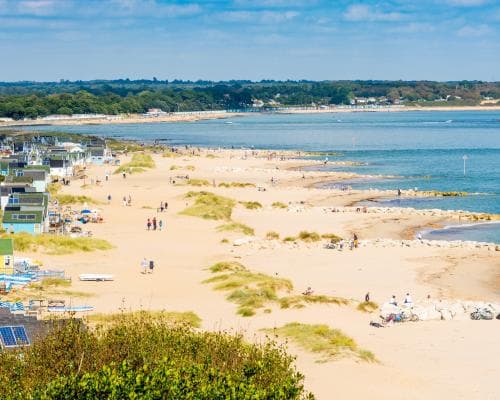
There’s a moment, just after the ferry pulls away from Mudeford’s wooden jetty, when the chatter of the world fades to the slap of water on hull. The sun catches the sand in a way that feels almost Umbrian. And you realize: this is the new Riviera—not the one on maps, but the one the billionaires keep to themselves. While the masses queue for Capri’s funicular, the truly discerning are slipping into Dorset’s embrace, where golden sand and sparkling water mimic the Mediterranean without the paparazzi. It’s the ultimate flex: not owning the view, but knowing where to find it.
The numbers tell a story of quiet obsession. The Forest of Bowland alone spans 312 square miles—a private playground of moorland, forest, and valley that most of the world has never heard of. Here, in England’s own Dark Skies territory, the only light pollution comes from the stars. A five-hour hike through Gisburn Forest might yield just two fellow travelers. That’s the kind of exclusivity money can’t buy—but can certainly book. And in Suffolk, Walberswick’s rowing-boat ferry has been in the same family for five generations. Five generations of passing strangers across the River Blyth, from Southwold to a beach where the crabbing is as clean as the air. For the ultra-wealthy, heritage isn’t a slogan; it’s a handshake with history.
Let’s talk craftsmanship, because that’s what this is. The letterboxes of Lundy Island—27 hidden boxes, some wooden, some metal, each with its own stamp—are the haute horlogerie of treasure hunts. No GPS, no apps. Just a compass, a clue sheet, and the elusive Lundy Bunny to chase. It’s a low-tech luxury that money can’t shortcut, only savor. Similarly, the train ride from Coleraine to Portrush hugs the coast like a bespoke suit, offering views of the Antrim cliffs that no private jet can replicate. These are experiences designed for the connoisseur who has already owned the yacht, the villa, the island. The new status symbol is a moment of unplugged serenity, wrapped in British understatement.
This shift signals a profound change in luxury taste. The ultra-rich are no longer chasing flamboyance; they’re chasing authenticity. A beach in Dorset that reminds you of Tuscany, but without the crowds—that’s the real prize. The heritage pubs of Walberswick, serving seafood that tastes of the sea, not the freezer. The Trough of Bowland, a valley so dramatic it feels like a private nature reserve. These are the places where wealth goes to breathe, not to be seen. And the market is responding. Private chefs are being hired to picnic on Hengistbury Head. Helicopters are landing near Pendle Hill for a day’s ramble. The luxury sector is quietly pivoting from possession to presence.
So what’s next? The forward-looking elite are already booking their autumn escapes to these shores, chasing the last of the sun before the seasons turn. They’re commissioning bespoke walking itineraries through Bowland’s valleys, or arranging private crabbing lessons for the grandchildren in Suffolk. The future of luxury isn’t a new superyacht—it’s a five-hour hike where you meet only two people, and a ferry that has crossed the same river for a century. Because in a world of noise, the rarest commodity is silence. And the British coast, it turns out, is the new gold standard.
The Experience
To walk these shores yourself, book a private guide through the Forest of Bowland or arrange a chartered rowing-boat crossing at Walberswick. For the ultimate escape, a bespoke Lundy Island letterbox hunt can be curated with a stay in the island’s lighthouse quarters.