The Quiet Luxury of a 100-Year-Old Toaster: Why Heirlooms Are the New Status Symbols
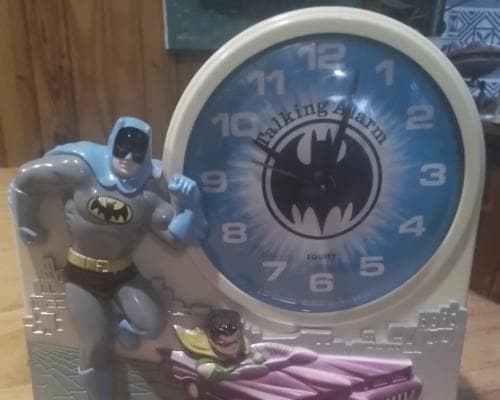
In a world where the newest superyacht is obsolete by the time it hits the water, and the latest smart fridge can be hacked before the ice maker freezes, there is a rebellion brewing among the discerning few. It isn’t about buying less. It’s about buying once—and buying brilliantly. Picture this: a 57-year-old district nurse in New Zealand wakes to the voice of Batman and Robin arguing about the merits of getting out of bed. The alarm clock? A 1974 Janex wind-up that still works after half a century. That’s not nostalgia. That’s a statement.
We’ve been conditioned to believe that new is better, that the latest model is the only model. But the most fascinating asset class in the luxury market right now isn’t a limited-edition Patek or a rare Bordeaux. It’s the humble household appliance that refuses to die. Consider Heather Sebastian’s Hotpoint toaster, recovered from a condemned house, cleaned with baking soda and vinegar, and still producing perfect bagels after a century of service. Or Jane McCall’s secondhand Electrolux vacuum, bought 46 years ago, never broken, and serviced by a repair shop that begs her not to replace it. These aren’t just objects. They are testaments to a philosophy that the ultra-wealthy are increasingly embracing: longevity as the ultimate luxury.
Let’s talk about the craftsmanship that makes a 1956 Norge Customatic fridge—with its turquoise and gold sparkle interior—worth resurrecting with new wiring and a specialist in Quebec. In an era of planned obsolescence, where a circuit board fails on cue after 24 months, these antiques are engineering marvels. The Kenwood Chefette that has served four generations, the Digitron digital clock that still glows after 50 years—these are not accidents. They were designed by people who believed in permanence. And that permanence has a price. A vintage appliance that survives decades doesn’t just hold its value; it appreciates in emotional and cultural currency. It becomes a conversation piece, a slice of history that no app or algorithm can replicate.
This is the new marker of taste. The billionaire who proudly shows off a 1970s Tefal toaster—rescued from his mother’s kitchen, carried through university and house shares, and now the hero of his London home—isn’t being frugal. He’s being discerning. He’s telling you that he values substance over spectacle. That he understands that true luxury is not about the price tag but about the story. And when a burnt piece of toast jammed in the mechanism trips the fuse, the panic isn’t about the cost of a replacement. It’s about losing a companion. That’s the kind of attachment money can’t buy.
For the ultra-wealthy, this shift is seismic. The market for high-end, heirloom-quality appliances is booming, but the real investment is in the narrative. A 1974 Batman and Robin alarm clock isn’t just a clock—it’s a daily dose of joy, a reminder that even the most serious person can smile at a wind-up toy. A 100-year-old toaster isn’t just a toaster—it’s a middle finger to the throwaway culture that fills landfills with last year’s iPhone. The message is clear: I don’t need the new thing. I have the thing that will outlast me.
So what does the future hold? For those with the means, the next acquisition isn’t a limited-edition sports car. It’s a restored 1956 Norge Customatic, sourced from a Quebec specialist who understands the sacred duty of keeping a 70-year-old fridge alive. It’s a Kenwood mixer that has fed four generations and will feed a fifth. The smart money is on the old, the sturdy, the beautifully made. Because in a world of fleeting trends, the greatest status symbol is the object that refuses to be replaced. And that, dear reader, is the ultimate luxury.
The Experience
To curate your own collection of heirloom-grade appliances, seek out specialists in vintage restoration—like the Quebec antique appliance shop—and start your search at estate sales and demolition auctions. Or, for a truly bespoke touch, commission a restoration of a piece from your own family’s past.