The Fair Hill Five: When the Turf’s Sharpest Minds Beat the Bookies at Their Own Game
A transatlantic betting coup orchestrated around five longshot horses from a Maryland training base has sent ripples through the worlds of racing and high-stakes wagering, revealing the quiet art of outsmarting the odds. For the ultra-wealthy collector of rare experiences, this is a masterclass in patience, precision, and the thrill of a perfectly executed plan.
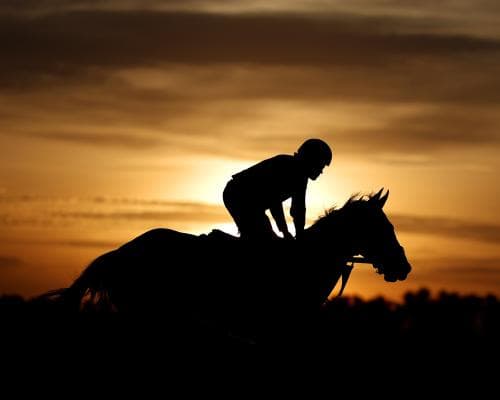
There is a particular breed of thrill that comes not from winning, but from knowing something the rest of the world does not. It is the same electricity that hums through a private viewing at auction, the quiet nod between two connoisseurs over a bottle of Pétrus. And last Sunday, that electricity crackled across two continents, courtesy of five horses, a handful of shrewd bettors, and a betting coup so elegantly executed that it has left the racing world both dazzled and suspicious.
The story begins, as all great ones do, with a paradox. At Monmouth Park in New Jersey, a 17-1 longshot named The Great Amira, who had finished last in her previous two starts, suddenly found glory, winning wire to wire by nine and a half lengths. Her trainer, a name whispered with reverence in Maryland’s Fair Hill training center, then sent out Tepeyac, a 4-1 shot, to win the very next race. The Daily Double payout for picking both outsiders was, by all accounts, meager—suspiciously so. The message was clear: someone, somewhere, had known exactly what was coming.
But the coup did not stop there. Later that afternoon, two more longshots from the same Fair Hill base won at Saratoga, the hallowed grounds of American racing. Four horses, all coming off lengthy layoffs, all showing dramatic improvement on the same afternoon. As any racing insider will tell you, one such surprise is a fluke; four is a statement. The whispers turned to shouts, and by Tuesday, Britain’s Racing Post had the story: a six-figure betting coup, orchestrated through in-person wagers in at least twelve London betting shops, with potential exposure for British bookmakers estimated at £800,000.
For the uninitiated, a betting coup is not merely a gamble; it is a carefully choreographed act of intellectual and financial audacity. It requires inside knowledge, meticulous planning, and the nerve to act when the moment is right. In this case, the bettors—whose identities remain gloriously anonymous—spread their wagers across a dozen shops, ensuring that no single outlet would raise alarm. By betting overseas, they kept the US odds untouched, allowing the horses to go off at inflated prices. It is the kind of move that would make a hedge fund manager weep with envy.
What makes this story so deliciously compelling is the absence of scandal—at least so far. There is no evidence of doping, race-fixing, or any other misconduct. The horses were simply better than the public believed, and a few sharp minds knew it. This is the essence of the coup: not cheating, but outthinking. It is the turf equivalent of buying a Basquiat at a garage sale, or discovering a first-edition Hemingway in a dusty bookshop. The thrill is not in the money, but in the validation of one’s own discernment.
For the collectors and connoisseurs who read this page, the Fair Hill Five is a reminder that the world’s most rewarding pursuits are rarely the loudest. The bettors did not flash their wealth; they moved quietly, with the patience of a jeweler setting a stone. The lesson is universal: true luxury lies in the ability to see value where others see risk, and to act with the confidence of a person who has done their homework. Whether it is a racehorse, a vintage watch, or a seaside estate, the prize goes to those who understand that the best deals are often the ones that look like longshots.
As the racing world digests this audacious play, one can only wonder what the bettors will do next. Will they return to the shadows, their pockets fuller and their reputations intact? Or will this be the first move in a longer game, a signature of a new generation of turf intellectuals who treat the sport as a chessboard rather than a casino? For now, the Fair Hill Five remain a tantalizing enigma—a story to be savored over a glass of vintage port, a tale that proves that in the world of the ultra-wealthy, the greatest luxury is not what you own, but what you know.