The Darkest Ward: Inside the Terrifying Allure of Psychiatric-Hospital Horror
AMC's The Terror: Devil in Silver turns a crumbling psychiatric hospital into the season's most unsettling destination, where the real monster is the system itself. This is horror for travelers who seek the uncomfortable truth behind closed doors.
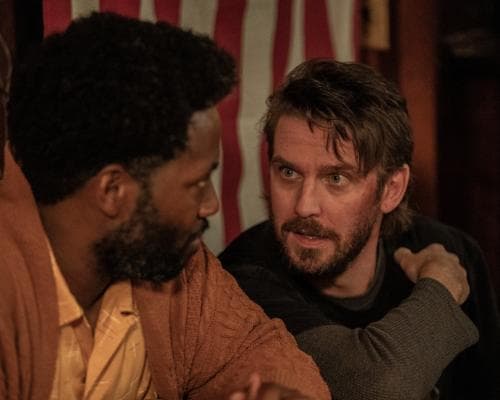
There are places you visit, and then there are places that visit you. The Terror: Devil in Silver, the latest chapter in AMC's anthology of dread, takes us to one of the latter: New Hyde Psychiatric Hospital, a crumbling monument to neglect where the walls sweat with a century of sorrow. But this is not a travelogue of the macabre in the usual sense. It is a journey into the heart of a system that has long since abandoned the vulnerable, and the result is a horror that lingers long after the credits roll.
The series opens with a familiar trope—a malevolent spirit that slips from body to body, a demon that feeds on the fractured minds of the institution's residents. But the true terror, as always, is the institution itself. Underfunded, understaffed, and utterly indifferent, New Hyde is less a hospital than a holding pen, a place where the forgotten are parked until they die or disappear. This is the world that greets Pepper, played with a frayed charm by Dan Stevens, who lands in the ward not because he is ill, but because three bored policemen couldn't be bothered with paperwork. It is a Kafkaesque entry into a system that has no exit.
The setting is a masterpiece of atmospheric dread. The production design turns the hospital into a character in its own right—peeling paint, flickering fluorescents, corridors that stretch into infinity. You can almost smell the bleach and despair. It is the kind of place that makes you want to check your own pulse, just to be sure you're still alive. And that is precisely the point. The Terror has always been about the collision of the supernatural with the historical, and here it finds its most grounded, and therefore most chilling, terrain.
But what elevates Devil in Silver beyond a simple fright-fest is its cast of lost souls. Judith Light's Dorry, a woman institutionalized decades ago for the crime of crying too much, is a quiet tragedy of wasted life. Chinaza Uche's Kofi, a structural engineer from Ghana now dependent on medication to keep his mind steady, is a reminder that brilliance can be buried under the weight of circumstance. And Loochie, played by the non-binary actor b, brings a raw, unpredictable energy that keeps the viewer off-balance. These are not caricatures of madness; they are people, rendered with the kind of empathy that makes their suffering unbearable to watch.
This is horror for the discerning traveler, the kind who has seen the catacombs of Paris and the abandoned asylums of Eastern Europe and wants more than a cheap thrill. It is a descent into the underbelly of the American dream, a place where the safety net has holes big enough to swallow whole lives. The series does not flinch from the hard questions: What happens when we stop caring for the most vulnerable among us? What demons do we create when we turn our backs? These are not just questions for the characters; they are questions for us, the viewers, who are complicit in the systems we choose to ignore.
And yet, there is a strange beauty in the darkness. The Terror has always been a show about the sublime—the way horror can open our eyes to the fragility of existence. Devil in Silver is no different. It is a reminder that the most terrifying journeys are not to distant lands, but into the recesses of the human mind. It is a trip we all must take, whether we like it or not, and this series is the most unflinching guide we have.
In the end, The Terror: Devil in Silver is not just a horror series; it is a mirror held up to a society that has lost its way. For those who seek the truth, no matter how uncomfortable, this is the destination. It is not a place you will want to visit twice, but it is a place you will never forget. And isn't that, after all, the definition of a truly transformative journey?