The Commissioner Who Made Women’s Basketball the Hottest Ticket in Sport
As Cathy Engelbert steps down after seven years at the helm of the WNBA, her legacy is a league transformed from undervalued sideshow to cultural juggernaut—courtside seats now as coveted as any box at the Met. A look at the wins, the wounds, and the wealth of attention she leaves behind.
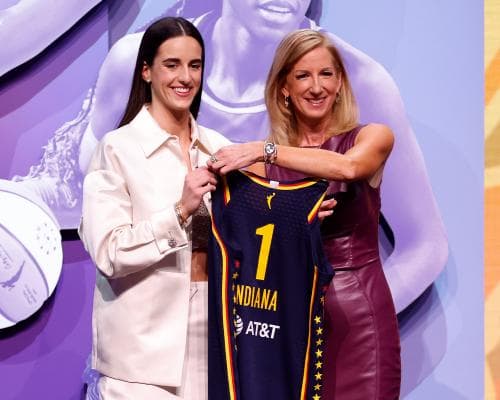
The first time I saw Cathy Engelbert courtside, she wasn’t draped in diamonds or brandishing a champagne flute. She was in a sharp navy suit, clipboard in hand, looking less like a league commissioner and more like the CEO she once was—which, of course, she still is, only now with a basketball in the logo. When she took the job in 2019, the WNBA was a quiet gem: brilliant players, devoted fans, but a balance sheet that would make a hedge fund manager wince. Seven years later, as she retires on 30 December, Engelbert leaves behind a league that has become the most talked-about ticket in American sport—a cultural and commercial phenomenon that even the most jaded luxury traveler now schedules their summer around.
Engelbert’s tenure was never going to be a gentle glide. Her first season was nearly erased by a global pandemic, and she responded with the “Wubble”—a sealed-off, bio-secure bubble at IMG Academy in Florida that allowed the league to stage a 22-game season when most of the world was frozen. It was a logistical Houdini act, and it set the tone for a leader who understood that optics matter as much as operations. Since then, the regular season has stretched from 22 games to 44, and by 2027 it will hit 50. Attendance has soared, television ratings have tripled, and sponsorship revenue has exploded—Nike, AT&T, and Deloitte now fight for jersey patches like they’re bidding on a first-edition Hemingway.
But the real story is the expansion. When Engelbert arrived, the league had 12 teams. By 2030, there will be 18, with the Golden State Valkyries debuting in 2025, followed by Portland and Toronto this year, and Cleveland and Detroit on the horizon. Each new franchise comes with a price tag that would have seemed laughable in 2019: the Valkyries paid a $50 million expansion fee, and the next round is reportedly twice that. For a league that was once dismissed as a charity case, this is the kind of arithmetic that makes private equity firms salivate. Engelbert didn’t just grow the game; she made it an asset class.
Of course, no legacy is without its bruises. Players have publicly clashed with Engelbert over everything from charter flights to pay equity, and her initial hesitation on the latter—she once suggested that sponsors weren’t ready for the conversation—drew sharp rebukes from stars like Nneka Ogwumike and Breanna Stewart. Fans, too, have accused her of being too corporate, too slow to embrace the league’s own cultural moment. Yet even her harshest critics concede that she navigated the Covid crisis with grace, and that her willingness to take risks—like the Wubble and the expansion push—has fundamentally altered the league’s trajectory. In the world of high-stakes leadership, you don’t get to be beloved and effective; you get to choose one, and Engelbert chose the latter.
What Engelbert understood, perhaps better than any of her predecessors, is that luxury is about scarcity and story. The WNBA now offers both. A courtside seat at a Fever game, where Caitlin Clark has turned every appearance into a pilgrimage, can set you back $5,000 or more on the secondary market. The league’s merchandise—from the Nike x WNBA capsule to the vintage-inspired jerseys—has become a streetwear staple, spotted on everyone from Rihanna to your most stylish cousin in Milan. And the players themselves have become lifestyle icons: A’ja Wilson has a signature shoe, Sabrina Ionescu has a clothing line, and the league’s All-Star weekend is now a destination event, complete with yacht parties and private dinners that rival anything in the Cannes film festival circuit.
As Engelbert walks away, she leaves the league at an inflection point. The next commissioner will inherit a property that is no longer undervalued but perhaps overhyped—a delicate position for any leader. The challenge will be sustaining the momentum without losing the intimacy that made the league special. Engelbert’s successor will need to balance the demands of expansion with the needs of players, and the allure of corporate dollars with the authenticity of the game. But if the past seven years have taught us anything, it’s that the WNBA is no longer a niche interest; it’s a cultural force, and its next chapter will be written in the same bold strokes that Engelbert used to sign her name. For the ultra-wealthy, the message is clear: the hottest seat in sports is no longer at the Super Bowl—it’s courtside, watching history unfold.