The Canine Connoisseur’s Dilemma: When the World’s Most Pampered Pups Face a Food Recall
A luxury pet-food recall sends shockwaves through the world of high-end canine care, where bespoke meals are as curated as a Michelin-starred menu. For the ultra-wealthy, whose dogs dine on chef-prepared buckwheat and fresh proteins, the sudden onset of dry eye in 192 pampered pets raises urgent questions about the cost of perfection.
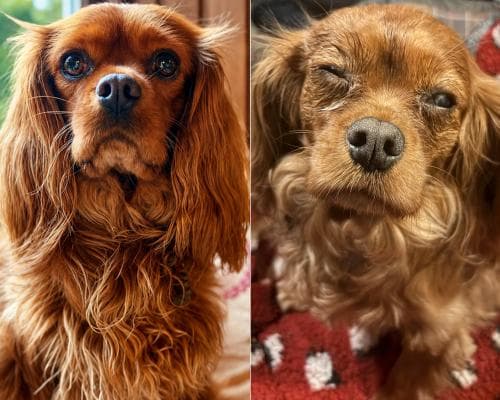
The first sign of trouble came not in a whisper of a scandal, but in a pair of sudden, gunky eyes. Chester, a six-year-old cavachon with a silken coat and a devoted owner, woke one May morning unable to open his eyes. Elizabeth, a 29-year-old civil servant, has since made more than ten trips to the vet, each one more bewildering than the last. Conjunctivitis, hay fever, an autoimmune disorder — the diagnoses piled up like unanswered invitations. But the real culprit, she now suspects, is far more unsettling: the dog food she had been serving Chester for 18 months, a premium brand called Years, had quietly changed its recipe.
This is not a story about a mid-tier kibble mishap. Years is the kind of brand that whispers ‘bespoke’ and ‘holistic’ to the kind of owner who books their pet a spa day before their own. Its fresh meals, delivered chilled in recyclable packaging, are the canine equivalent of a tasting menu — think free-range chicken, organic vegetables, and, until recently, a sprinkle of buckwheat. The company’s recall this week, after reports that a recipe change may have triggered a condition called sudden bilateral dry eye, has sent a tremor through the upper echelons of pet parenthood. As of Tuesday evening, 192 customers had reported potential, as yet unverified, eye issues. The company’s investigation is ‘currently focused on potential contamination within a portion of buckwheat supply’ — a single, innocuous grain that has become the unlikely villain in a tale of canine luxury.
For the uninitiated, the condition is called keratoconjunctivitis sicca, or KCS, and it is as unpleasant as it sounds. A dog with dry eye cannot produce tears, leaving the eyes sore, red, and prone to infection. If left untreated, it can lead to sight loss. The vets Elizabeth consulted were ‘totally stumped’ — a phrase that echoes across the country as other owners come forward with similar stories. One theory is a ‘toxic chemical reaction’ within the buckwheat, though Years has yet to confirm any link. For now, the company has halted production and is urging customers to stop feeding the meals, a move that has left many owners feeling both anxious and betrayed.
This is where the story takes a turn that only a luxury-travel desk could appreciate. In the world of the ultra-wealthy, a dog’s diet is no afterthought. It is a statement of care, a symbol of a life where every detail is curated for optimal wellbeing. Owners who once flew their pups to Switzerland for hydrotherapy or commissioned portrait painters for their Labradors now find themselves scrutinising ingredient lists with the same intensity they apply to a Bordeaux vintage. The Years recall is not just a health scare; it is a rupture in the trust that underpins the entire industry of bespoke pet care. When a brand that charges a premium for ‘fresh, human-grade ingredients’ stumbles, it raises a question that echoes far beyond the dog bowl: If this can happen to Chester, what else is lurking in the curated lives we build for our companions?
The price of this particular peace of mind is not trivial. Years’ fresh meals cost a fraction of what some owners spend on raw-food subscriptions that run into the hundreds of pounds a month, but the emotional investment is incalculable. Elizabeth’s vet has told her they are ‘fairly confident of a link’ between the food and Chester’s condition, and she now faces a future of daily eye drops and regular check-ups. The guilt, she says, is the worst part. ‘You think you’re doing the best for them, and then you find out you might have hurt them.’ It is a sentiment that will resonate with anyone who has ever spoilt a pet, from a penthouse in Manhattan to a villa in Provence.
What does this signal for the future of luxury travel with pets? For one, the ultra-wealthy are already recalibrating their itineraries. Private-jet charters that once welcomed dogs with monogrammed blankets now carry a new cargo: veterinary records and emergency eye-wash solutions. The next big trend in high-end pet hospitality will likely be transparency — not just organic, but traceable. Owners will demand to know the provenance of every buckwheat kernel, every vitamin supplement, every drop of water used in the cooking process. The brands that survive will be those that treat their supply chains like a Swiss watchmaker treats its gears: with obsessive, verifiable precision.
For now, the advice from the vet community is simple: if your dog has been eating Years, watch for red eyes, excessive blinking, or a dull, dry cornea. And for those who can afford it, the next step is a consultation with a veterinary ophthalmologist — a niche specialty that is already seeing a surge in appointments. The wealthy are not abandoning their pets’ gourmet diets, but they are adding a new line to their travel checklists: a DNA test for the dog food, a backup plan for the kibble, and a promise to never again trust a brand that cannot explain its own recipe. In the world of luxury, trust is the rarest ingredient of all — and this week, it has been recalled.