Sawiris money rides Swvl's U.S. bet as Cairo's billionaires back mobility's next lane
Swvl lands $13M PIPE led by Sawiris-backed Coefficient, fueling U.S. expansion and lending push as Egypt's wealth bets on GCC mobility.
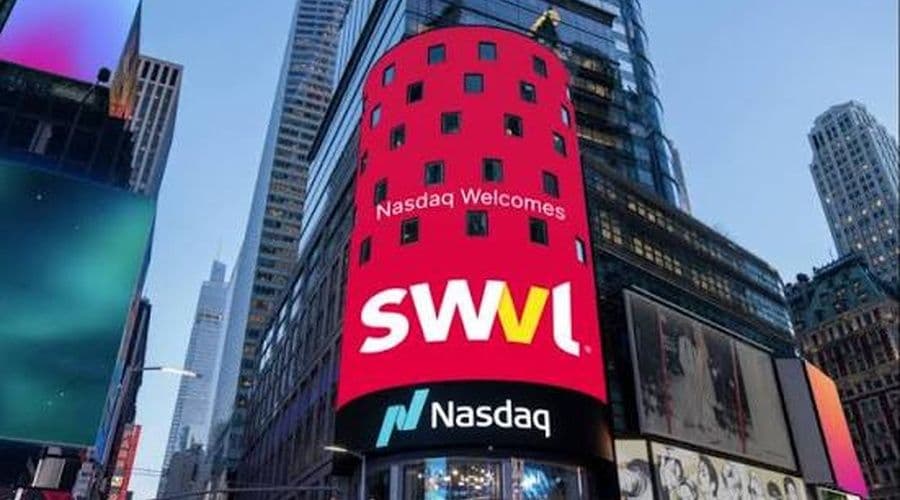
For a company that began life shuttling commuters through Cairo's gridlock, Swvl's latest check is a signal that the Middle East's old money sees something new in the region's startup scene. The Dubai-headquartered mobility firm has secured a $13 million private investment in public equity (PIPE), led by Coefficient LP, a Houston-based investment firm backed by Egypt's Sawiris family. Coefficient is putting in $10 million, which upon closing will make it Swvl's largest institutional shareholder, while an existing Swvl investor is adding $3 million. The deal, expected to close on August 27, 2026, also brings Coefficient founder Abdalla Ali onto Swvl's board. Swvl will issue roughly 8.99 million Class A shares at $1.446 each.
The numbers matter less than the name behind them. The Sawiris family — one of Egypt's most storied business dynasties, with fortunes built in construction, telecoms and hotels — is not in the habit of writing small checks to tech startups. Onsi Sawiris, the family patriarch, framed it as backing builders, not just bets. Swvl's founder and CEO, Mostafa Kandil, who launched the company in 2017 to fix the chaos of Cairo's private minibus system, has spent the past few years pivoting from consumer ride-hailing to a more sober enterprise model. Today Swvl operates across Egypt, Saudi Arabia, the UAE, Kuwait, Qatar, the UK and the US, selling technology-driven transport solutions to governments and corporations rather than chasing individual riders.
The timing is deliberate. Swvl's first-quarter 2026 numbers show revenue up 68% year-on-year to $8.2 million, with Gulf Cooperation Council revenue jumping 111%. Recurring revenue now makes up 88% of the total, net dollar retention sits at 114%, and operating expenses have been cut to just 23% of revenue. That last figure is the one that gets a CFO's pulse racing — it suggests a company approaching operating breakeven, which is rare air for a mobility startup that once burned through cash chasing growth in emerging markets. The proceeds from this PIPE will go toward accelerating Swvl's U.S. expansion, launching a lending product for the transport operators in its network, and shoring up its balance sheet for a pipeline of multi-year enterprise and government contracts.
For an international reader, the deeper story is about how Gulf and Egyptian capital is repositioning itself. The Sawiris family has long been associated with blue-chip assets — think Orascom, gold mines, luxury resorts. Their move into a Nasdaq-listed mobility firm with a U.S. growth plan is a quiet but telling shift. It reflects a broader trend across the Middle East: family offices and billionaire clans are increasingly willing to back technology platforms that can scale beyond the region, rather than parking wealth solely in real estate or traditional industries. Coefficient's structure — a U.S. vehicle with Egyptian roots — is itself a hedge, giving the Sawiris family exposure to American markets while keeping a foot in the region where Swvl still generates a large chunk of its revenue.
Swvl's story also mirrors the maturation of Middle East tech. The early wave of regional startups was about copying global models locally. Swvl's pivot to enterprise contracts, government tenders and now financial services for transport partners shows a more sophisticated playbook: use the region's operational experience to build a platform that can compete in the U.S., where mass transit is fragmented and public agencies are desperate for efficiency. The fact that an existing shareholder is doubling down with $3 million adds a quiet vote of confidence, though the identity of that investor remains undisclosed.
The deal is not transformational in size — $13 million is modest for a Nasdaq-listed company. But the symbolism is outsized. A family that built its fortune on physical infrastructure — cement, telecom towers, hotels — is now backing a digital layer on top of public transportation. If Swvl succeeds in the U.S., it will validate a template that many Gulf and Egyptian investors have been eyeing: take regional operational grit, add AI-driven logistics, and sell it to the world's richest markets. Onsi Sawiris's comment about backing builders who compound for decades suggests he sees Swvl as a long-term asset, not a quick flip. The question now is whether Kandil can turn that trust into a U.S. breakthrough, and whether other Middle East dynasties will follow the Sawiris lead into the messy, vital business of moving people.