HDFC Bank's ₹43 Crore Bet on Anup Bagchi: Inside India's Priciest Bank CEO Package
HDFC Bank proposes up to ₹35.9 crore annually for incoming CEO Anup Bagchi, plus a ₹7.35 crore joining bonus, making him India's highest-paid bank CEO.
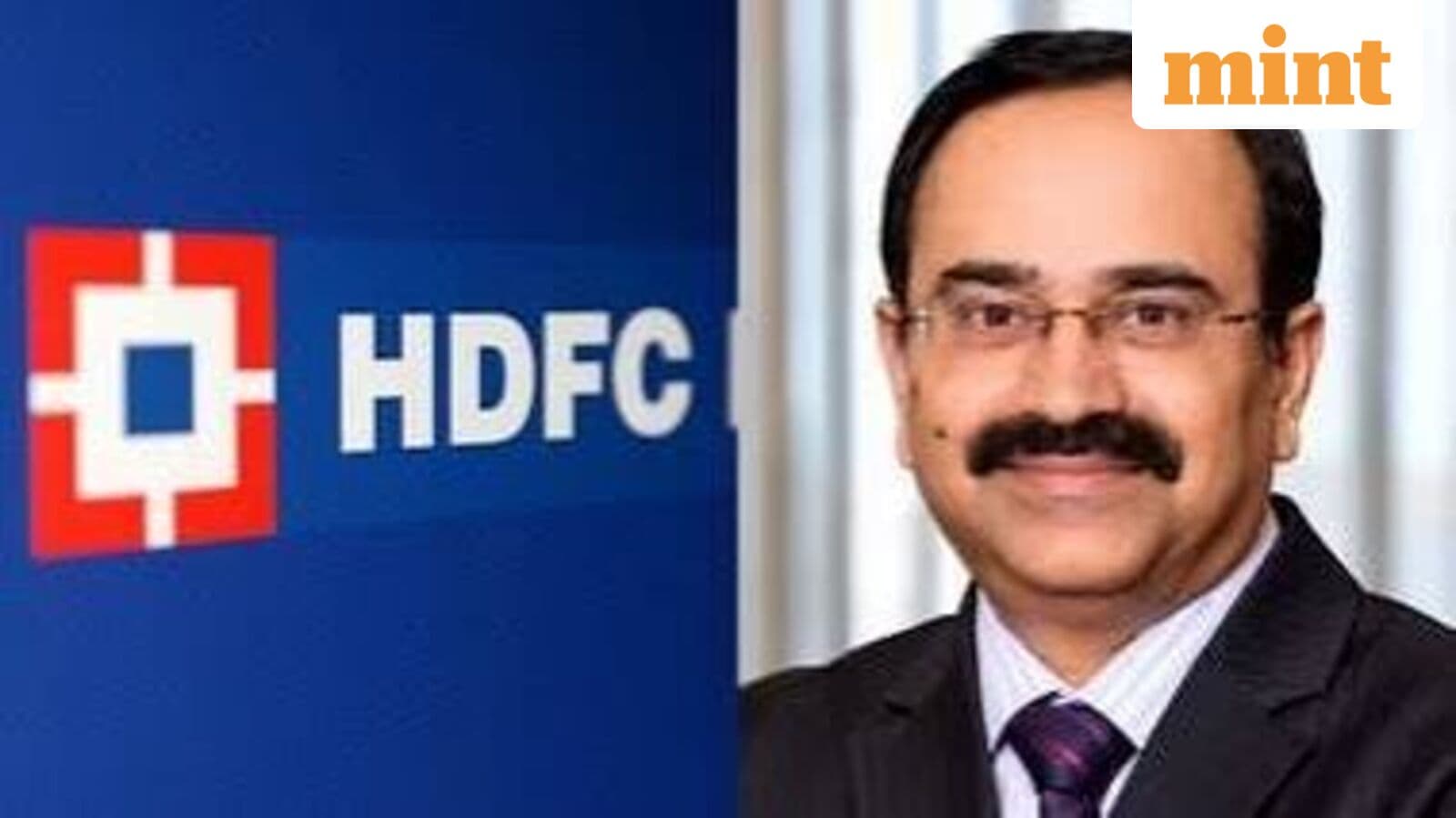
India's largest private-sector bank is about to make its next chief executive one of the most expensive hires in the country's financial history. HDFC Bank has proposed an annual pay package of up to ₹35.90 crore for Anup Bagchi, the ICICI Group veteran set to take the top job on October 27, 2026. That works out to roughly ₹3 crore a month — a figure that would place him at the summit of Indian bank CEO compensation, according to an Economic Times report. Add a one-time joining bonus of ₹7.35 crore in stock-linked incentives, and the total package could reach ₹43.24 crore, subject to performance benchmarks and vesting schedules.
The numbers alone are eye-catching, but the process behind them matters just as much. The Reserve Bank of India has already approved the proposal, and HDFC Bank has begun seeking shareholder consent through an electronic postal ballot running from October 8 to November 6. For a lender of HDFC Bank's scale — it is the country's largest private bank by assets, born from the 2023 merger of HDFC Ltd into HDFC Bank — the CEO's pay is a signal to global investors about governance, talent retention and the bank's ambitions. The package is not guaranteed cash; a meaningful chunk is tied to stock-linked incentives and performance conditions, which means Bagchi's actual take-home will depend on how the bank performs under his watch.
Who is Anup Bagchi? For readers outside India, the name may not ring a bell, but within the country's financial establishment he is a known quantity. He joined the ICICI Group in 1992 and spent more than three decades there, holding senior roles across banking, capital markets, investment services and insurance. He served as managing director and CEO of ICICI Securities, was an executive director at ICICI Bank between 2017 and 2023 — overseeing retail, business and rural banking before taking charge of wholesale banking — and later led ICICI Life Insurance, previously ICICI Prudential Life Insurance, as its managing director and CEO. He also chaired ICICI Prudential Asset Management Company until May 2023 and sat on the boards of ICICI Prudential Pension Fund Management and ICICI Home Finance. His academic credentials are equally blue-chip: an engineering degree from IIT Kanpur and a management qualification from IIM Bangalore.
Bagchi's appointment places an executive with deep experience in both banking and insurance at the helm of HDFC Bank as it prepares for its next phase of leadership. The timing is notable. HDFC Bank has been digesting its merger with parent HDFC Ltd, a complex integration that has reshaped its balance sheet and deposit franchise. Bringing in a leader with Bagchi's breadth — treasury management, retail and wholesale banking, investment banking and digital financial services — suggests the board wants someone who can manage multiple fronts at once. His insurance background may also prove useful as HDFC Bank deepens its cross-selling of financial products to its vast customer base.
What does this say about capital and wealth in Asia? India's banking sector is in a phase of aggressive competition for top talent, and compensation is becoming a battleground. For years, Indian bank CEO pay lagged behind global peers, partly due to regulatory caution and public-sector dominance. That is changing. As private banks grow in scale and complexity, boards are willing to pay up for proven operators. HDFC Bank's proposal, if approved, could set a new benchmark that rivals may feel compelled to match. It also reflects a broader trend across Asia: financial institutions are willing to reward leaders who can navigate regulatory scrutiny, technological disruption and margin pressure. The RBI's approval of the package is itself a signal that regulators are comfortable with market-driven pay at the top of the private banking pyramid.
For now, the ball is in shareholders' court. The postal ballot will decide whether Bagchi's package goes through as proposed. If it does, he will step into the corner office in late 2026 with one of the most generous mandates ever handed to an Indian bank CEO — and with expectations to match. The real test will not be the size of the cheque but whether he can keep HDFC Bank growing at a time when India's banking landscape is being reshaped by digital challengers, consolidation and shifting credit cycles. The pay packet makes headlines. The performance will make the legacy.