Musk Slips Below $1 Trillion Again as AI Stock Selloff Hits Huang and Ellison
Elon Musk lost his trillionaire status after SpaceX and Tesla shares fell, while Jensen Huang and Larry Ellison shed $15bn amid a tech selloff.
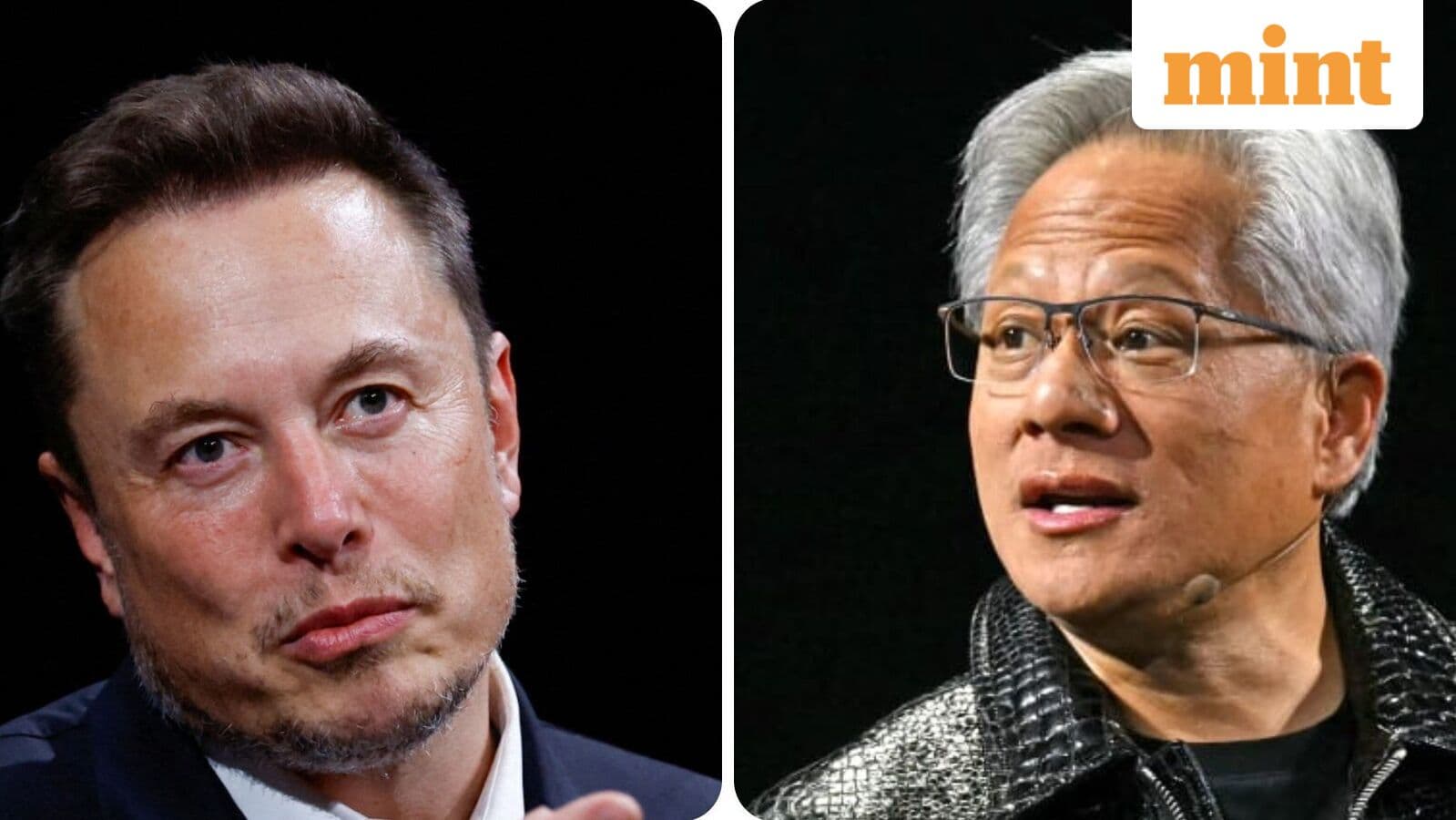
One trading session was all it took to knock Elon Musk back below the trillion-dollar line. On Thursday, October 8, a slide in SpaceX and Tesla shares erased $36.4 billion from his fortune, pushing his net worth to $991.6 billion by 1:30 pm EDT—just three days after he had reclaimed the 13-figure mark. For a man whose wealth has become a barometer of speculative appetite, the reversal was swift and unforgiving.
The damage was not his alone. Nvidia CEO Jensen Huang lost $6.1 billion, dipping to $199.3 billion and falling below the $200 billion threshold. Larry Ellison, Oracle's co-founder, shed $8.9 billion to $176.8 billion. Together they gave up $15 billion in a single day. Musk's drop was the largest on Forbes' daily loser board, with Huang and Ellison taking the next two spots. The trigger: SpaceX shares fell about 3.5% on reports it plans to raise $40 billion to buy Nvidia chips, while Tesla slipped more than 2%. The Nasdaq 100 fell 1.4%, its worst day in seven weeks, and the Philadelphia Semiconductor Index plunged 3.4%.
For readers outside the region, the names matter as much as the numbers. Musk's fortune is now tied to two very different engines: Tesla, the electric-vehicle giant that made him a household name, and SpaceX, the private rocket company that went public in June and briefly vaulted him to an estimated $1.45 trillion. That listing turned Musk's balance sheet into a pure play on American innovation—and on the AI infrastructure boom that has been pulling capital from Tokyo to Singapore. Huang's Nvidia is the world's most valuable chip designer, the company whose graphics processors power the AI models now being built across Asia. Ellison's Oracle, meanwhile, has been repositioning itself as an AI cloud contender, a shift that has made its founder one of the richest men on earth.
The selloff was not random. The Financial Times reported that OpenAI's annualized revenue is $20 billion less than previously signaled, a revelation that rattled confidence in the AI trade. Oracle slid after a report that it was trucking natural gas to server farms to work around power bottlenecks—a detail that exposes the physical limits of the digital boom. The Cboe Volatility Index rose for a second day. Yet the pain was concentrated: more than two-thirds of S&P 500 constituents finished higher, and small caps were nearly flat. As Chris Murphy of Susquehanna International Group put it, the strength in staples and low-volatility stocks points to rotation toward defensives, not a broad-based exodus.
For Asia's wealthy, the message is nuanced. The region's billionaires and family offices have poured record sums into US tech and AI-linked assets, treating them as the safest route to growth. Thursday's session shows that even the safest route can crack. It also shows how quickly paper fortunes can reverse when a single narrative—AI's endless revenue—falters. Musk's three-day round trip above and below $1 trillion is a reminder that in this market, the line between trillionaire and mere billionaire is thinner than it looks.
What happens next depends on whether the AI trade regains its footing. If the revenue doubts persist, more of Asia's capital could rotate toward defensives, gold, or regional markets that have lagged. If the dip is a pause, the same names will likely bounce back. Either way, the world's richest men have just shown how fast a trillion dollars can move.