Balenciaga's Coral Heart: Piccioli Bets on Couture Over Clout
At Paris Fashion Week, Pierpaolo Piccioli unveiled his most personal collection for Balenciaga, placing a monumental fabric coral sculpture at the catwalk's center as a quiet manifesto for craftsmanship over virality. It's a defining moment for a house navigating declining sales and the pressures of modern luxury.
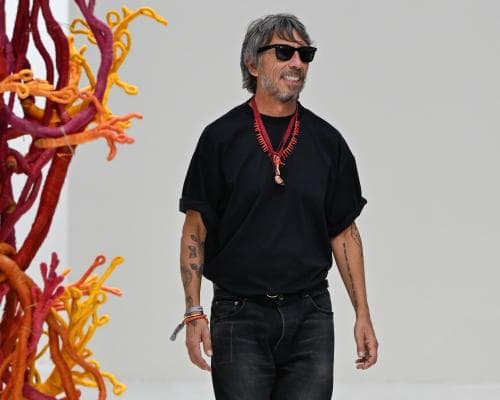
In the gilded hush of a Paris fashion week runway, Pierpaolo Piccioli did something quietly radical: he placed a towering sculpture of undersea coral, crafted entirely from fabric, at the center of the catwalk. It was not a prop for shock value, but a personal talisman. Piccioli, who always wears a coral necklace, called the show 'the most personal I have done here.' For a house as storied as Balenciaga, that statement lands with the weight of a couture atelier's entire legacy.
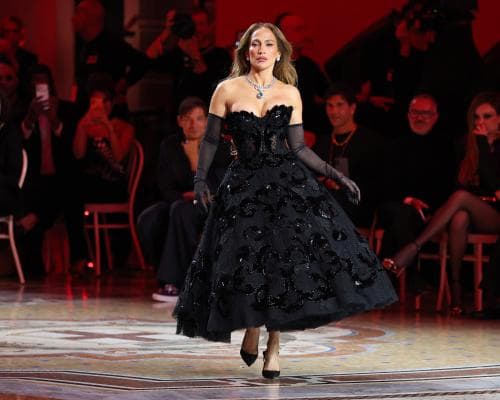
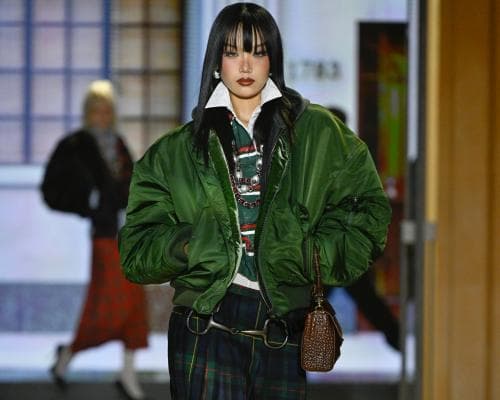
Cristóbal Balenciaga was famously both maximalist and minimalist—a master of audacious ideas executed with surgical cleanliness. Piccioli, now a year into his tenure, honored that duality with looks that felt like haiku: a floor-length ivory cape fastened with a single gold clasp. A black suit with one bold slash of tangerine at the jacket hem. A gown covered from neck to ankle in bubbles of organza. 'I like surfaces to be either entirely embellished or super clean,' he explained. Each piece was one clear thought, not a cacophony of trends. That restraint is the ultimate luxury—and it's increasingly rare.
Piccioli's philosophy extends beyond aesthetics. He loves color for how instinctively we react to it, believing that 'how you feel in your clothes is much more important than how you look in them.' That sentiment is a quiet rebuke to the attention economy, where branding and virality often trump the tactile, emotional experience of wearing something extraordinary. His way of making clothes is rooted in the craft of the couture atelier—the hand-stitched seams, the hours of fitting, the intimate dialogue between fabric and body. It's a slow luxury that cannot be scrolled past.
But the business reality is anything but serene. Balenciaga sales are declining, particularly in menswear, which had become a key revenue driver under the previous designer, Demna. Demna's Balenciaga was polarizing—catwalk shock tactics, apocalypse-cosplay hoodies—yet undeniably compelling. Piccioli, a charming Italian couturier whose show notes are signed with kisses, represents a dramatic pivot. There have been rumblings about his future, and in a bleak global market, luxury houses are jittery and impatient for results. A departure after such a brief tenure would be unusual, but not impossible.
For collectors and connoisseurs, Piccioli's Balenciaga signals a return to the values that made the house legendary: impeccable tailoring, daring simplicity, and a respect for the wearer's inner life. In a world of logo-heavy streetwear, this is a quieter flex. It's the difference between a hand-painted silk scarf and a branded hoodie—both have their place, but only one whispers. The coral sculpture, with its organic, intricate form, becomes a metaphor for couture itself: fragile yet resilient, built slowly, and impossible to mass-produce.
What does this mean for the future of luxury? Piccioli is betting that the ultra-wealthy still crave authenticity over algorithmic hype. That they want a cape that feels like a second skin, not a billboard. That a single tangerine slash can be more powerful than a thousand logos. Whether the market rewards that bet remains to be seen. But for one afternoon in Paris, the coral stood tall—a reminder that true luxury is not about being seen, but about being felt.