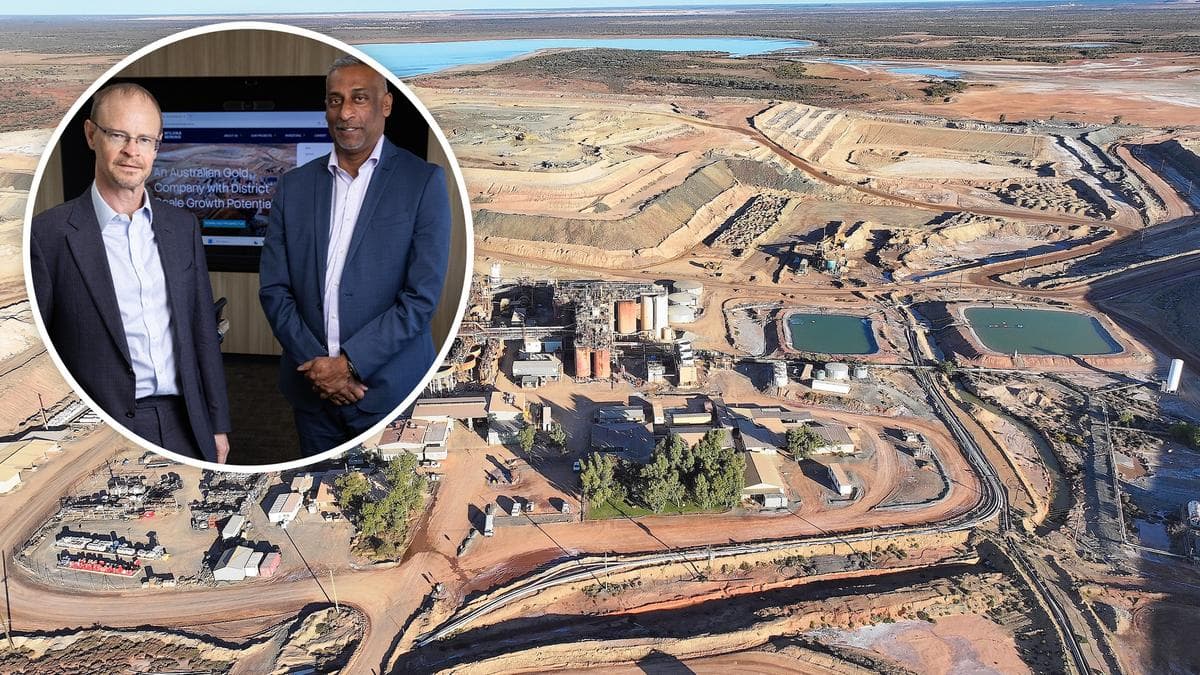
Woodside CEO Liz Westcott Answers Alex Pearce's Sponsorship Call as Fremantle Captain Pushes Back
Woodside CEO Liz Westcott responds after Fremantle Dockers captain Alex Pearce publicly questions the club's sponsorship deal with the energy giant.
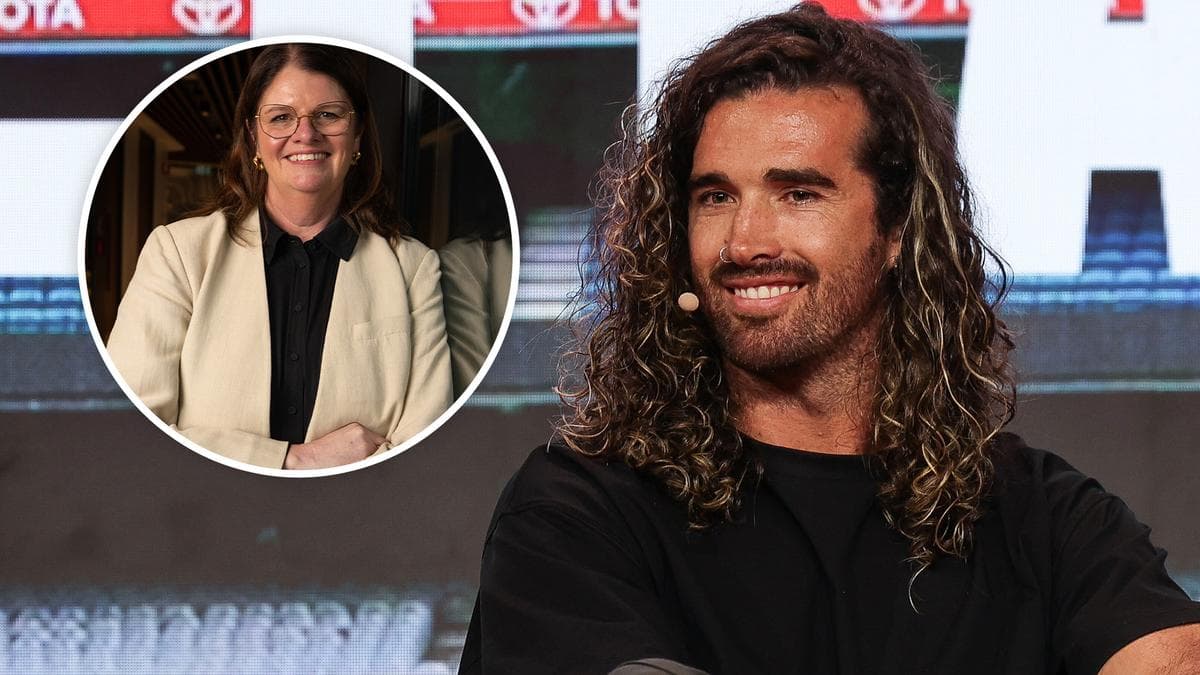
The captain of an Australian Rules football club rarely picks a fight with the name on the front of his own guernsey. When he does, and when the company on that guernsey is the country's largest liquefied natural gas exporter, the exchange becomes a window into how sport, fossil capital and public opinion now collide in Oceania. That is the backdrop to the running conversation between Woodside Energy chief executive Liz Westcott and Fremantle Dockers captain Alex Pearce, which landed on the pages of The West Australian this week.
The facts are straightforward and worth stating plainly. Pearce, who leads the Fremantle Dockers in the Australian Football League, made a public rallying cry over the club's sponsorship arrangement with Woodside. Westcott, the chief executive of Woodside Energy, responded to those comments. The West Australian reported the reaction under the headline tying Westcott directly to Pearce's remarks. The source does not attach figures to the sponsorship, and none should be assumed here; what matters is the public dynamic between a football captain and the head of a major gas producer.
For readers outside Australia, the local texture is essential. Fremantle is a working port city south of Perth, in Western Australia, with a football club that carries a distinctly community, maritime identity. Woodside is headquartered in Perth and is the anchor of the state's liquefied natural gas industry, shipping gas from the north-west shelf to buyers across Asia. In Western Australia, Woodside is not an abstract corporate logo. It is a major employer, a taxpayer, a fixture of the Perth business establishment and, for many years, a familiar name on sporting and cultural sponsorships. The Dockers deal sits inside that long tradition of resource companies buying visibility in the communities where they operate.
What makes this exchange sharper than a routine sponsorship story is the source of the pushback. Pearce is not an activist or a politician. He is the captain, the on-field leader and the public face of the playing group. When a captain questions a sponsor, it lands differently from a fan campaign or a boardroom dispute. It suggests the conversation about fossil-fuel sponsorship has moved from the margins into the locker room, and that players themselves are now willing to use their platform. Westcott's willingness to respond publicly, rather than deflect through a club statement, signals that Woodside treats the criticism as a reputational matter worth engaging directly.
The wider Oceania context is a contest over social licence. Australia's east coast has seen climate protests target sporting sponsorships, arts institutions and banks. Western Australia has been slower to that reckoning, given the centrality of resources to the state economy, but the pressure is arriving. For Woodside, the Dockers arrangement is small in dollar terms but large in symbolism: it puts the company's name in front of tens of thousands of members and a national broadcast audience every week. For Fremantle, the deal brings revenue and association with a major local employer, alongside a growing reputational question. Both sides are weighing the same trade-off between money and public standing.
Expect the exchange to continue rather than resolve. Sponsorship contracts run for fixed terms, and neither a football club nor a gas major tends to walk away from a partnership on the back of one captain's comments. But the terms of the argument have shifted. Players now speak, chief executives now answer, and the reading public in Perth and beyond watches. For anyone tracking capital and influence in Oceania, the interesting question is not whether Woodside stays on the Fremantle guernsey, but how long resource companies can treat community sponsorship as uncontested territory. Westcott has chosen to engage. Pearce has chosen to speak. The next move belongs to the club, and to the members who pay for the seats.