Wiluna Mining's Victor Rajasooriar Says He Was 'Not Really' Surprised by Post-Listing Share Price Bloodbath
Wiluna Mining CEO Victor Rajasooriar tells The West Australian he was 'not really' surprised by the share price bloodbath that followed the gold miner's ASX listing.
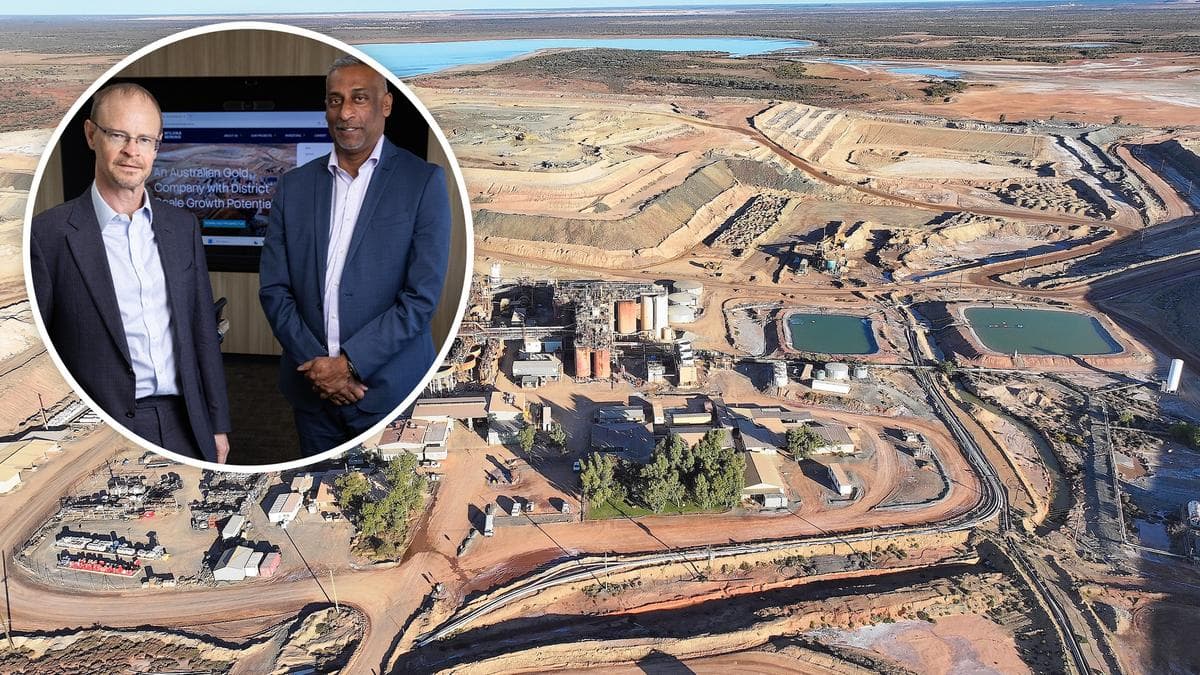
For anyone who tracks how Australian mining wealth gets made, destroyed and remade, the most revealing moment in a volatile week came not from a trading floor but from a chief executive's choice of words. Wiluna Mining's Victor Rajasooriar, asked about the share price bloodbath that followed the gold company's ASX listing, said he was "not really" surprised. That two-word answer, reported by The West Australian, tells you more about the state of junior resources capital than any closing price.
Wiluna Mining is a Western Australian gold company, and Rajasooriar is its chief executive. The facts here are narrow and worth stating plainly: the company listed on the ASX, its share price subsequently fell sharply — enough that The West Australian characterised it as a bloodbath — and its CEO, when pressed on the collapse, indicated the sell-off did not catch him off guard. No figures for the decline, the listing, the company's valuation or Rajasooriar's personal wealth appear in the source, and we will not invent them. What we have is a named executive, a named company, a listing and a reckoning.
For an international reader, the local context matters. Wiluna is a remote gold town in Western Australia's northern Goldfields, hundreds of kilometres from Perth, and the company that carries its name sits inside one of the world's most active — and most unforgiving — small-cap mining ecosystems. The ASX is the planet's great clearing house for speculative resources capital: thousands of explorers and developers list there, and investors are famously willing to fund them and famously quick to abandon them. Western Australia supplies much of the world's iron ore, gold and lithium, and its junior miners are the risk-taking frontier of that trade. Perth, the state capital, is a small city where mining money, mining families and mining reputations are tightly interwoven — which is why a chief executive's candour about a share price slide becomes a public story rather than a footnote.
Why does this matter beyond Perth? Because the post-listing sell-off is one of the most familiar patterns in Oceania's capital markets, and the willingness of a CEO to admit he saw it coming says something about how insiders now read the mood. The appetite for new resources listings has cooled from the exuberance of recent years; investors who once chased exposure to gold and battery metals are demanding discipline, cash flow and credible timelines. A listing that once might have been a launchpad can now be a stress test. When a chief executive says he was "not really" surprised by the fall, he is acknowledging a market that prices risk more harshly than promoters would like.
There is a wider lesson for the wealth desks that follow this region. Oceania's fortunes are still overwhelmingly tied to what comes out of the ground, and the people who run those companies are the custodians of enormous paper fortunes that can evaporate in a session. The Wiluna episode is a reminder that in resources, the gap between a listing and lasting value is where most of the drama lives.
Watch what Wiluna Mining does next: how it communicates with shareholders, whether it can steady the register, and whether other Western Australian juniors follow it to market in a cooler climate. Rajasooriar's honesty may yet serve him well. In a sector where hype is cheap, a chief executive who tells investors he saw the fall coming is at least offering them something rarer than optimism — a clear-eyed read of the market he is asking them to fund.