Mark Zuckerberg Keeps His Grip on Meta as Board Wins a California Tether
A filing reveals how Mark Zuckerberg and Meta's board compromised on a new share class: he keeps voting control, sells some stock, and stays in California for eight years.
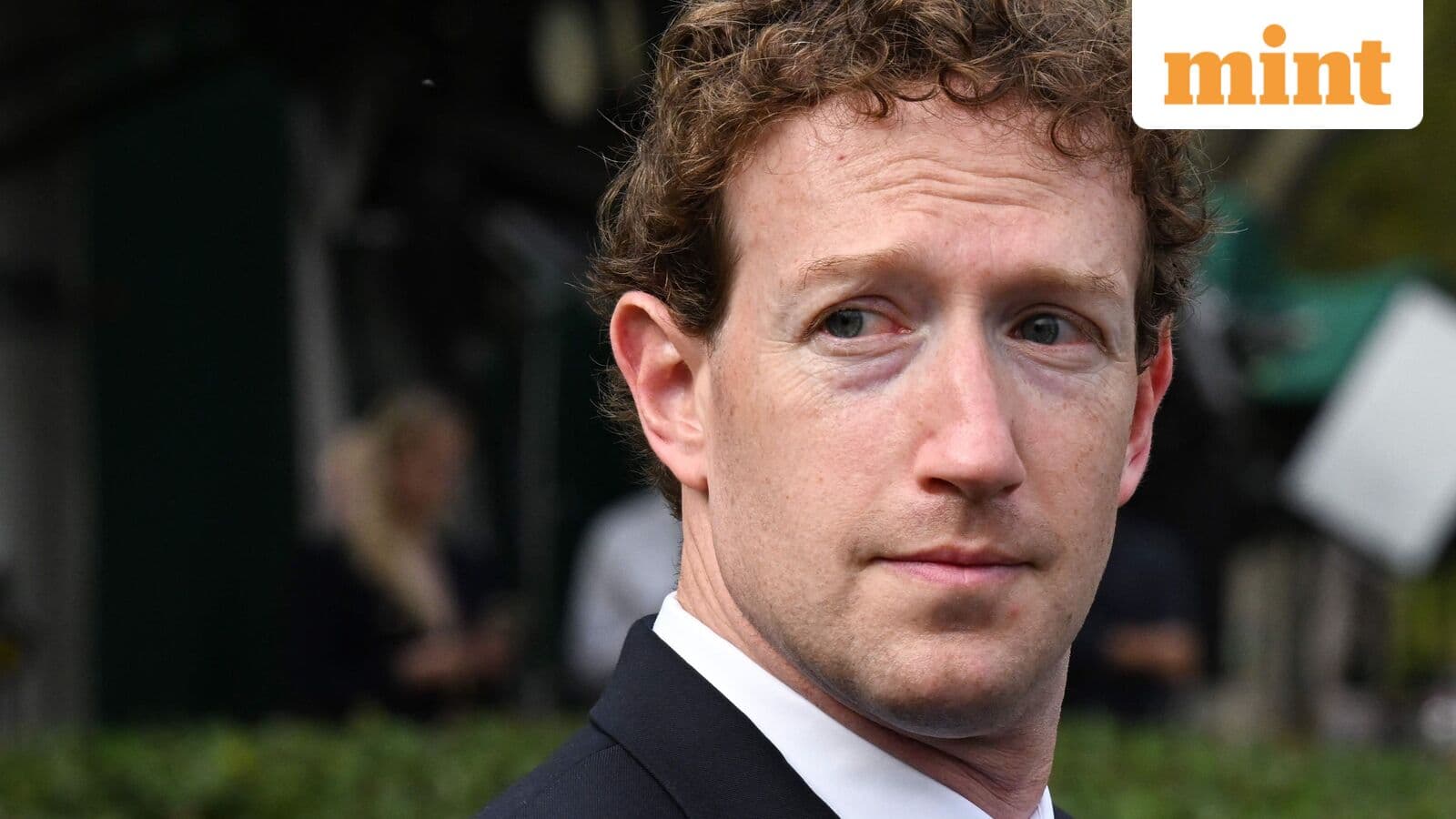
Mark Zuckerberg has spent two decades building a company where his word settles the argument. This week, a filing showed what it costs to keep it that way. The Meta co-founder and his board ended months of tense negotiation over voting control, executive pay and a proposed new class of shares in a compromise that preserves his grip on the $1.7 trillion company while letting it raise the capital its artificial intelligence ambitions demand.
The dispute, disclosed in a company filing released on Wednesday, began late last year. Meta's management and directors concluded the company would need substantial additional funding to pursue AI, and a new class of stock emerged as the vehicle: it would let Meta raise capital, fund acquisitions and pay employees in shares. Zuckerberg, who co-founded Facebook in 2004 and draws the famously nominal $1 annual salary, accepted the idea in principle. He did not accept dilution. Any new stock, or his own future share sales, must not erode his long-standing power to overrule all other shareholders on important decisions.
Directors pushed back, arguing it would be unfair to other shareholders if Zuckerberg could cash out while freezing his absolute control in place. The board had been here before: Meta abandoned a similar proposal in 2017 after shareholders sued to block it. As talks stalled through the summer, his representatives repeatedly floated a stock-heavy compensation package, reportedly echoing the performance-linked awards associated with Elon Musk at Tesla and SpaceX. Zuckerberg also cited a proposed one-time wealth tax in California, which voters were due to consider the following month, as a reason he might sell significant Meta stock, and raised the prospect of leaving the state where Meta is headquartered. Directors worried his departure could hurt the company, the filing said, acknowledging that a significant portion of Meta's success has been attributable to his leadership, creative vision and management abilities.
By early September the talks had reached a breaking point. The three directors overseeing negotiations discussed contingencies if Zuckerberg refused to budge, including resignation from the board. Then came the surprise: at a dinner with a larger group of directors, he said he planned to list his Palo Alto home for sale four days later. That disclosure pushed the board to move faster, and by mid-September a deal was largely done. Under the compromise, Zuckerberg agreed to remain a California resident for eight years, subject to exceptions for unforeseen circumstances or a change in Meta's headquarters. He can sell a limited portion of his shares without losing voting power, with greater flexibility to sell more the longer he stays at Meta.
For readers tracking Asian capital, the mechanics matter more than the drama. Meta's governance, unusual among public companies, gives Zuckerberg enough voting control to create a new share class himself, without a shareholder vote. That is the founder-control model in its purest form, and it is the template many Asian tech dynasties have studied: the dual-class structures that keep the founding families of Chinese and Southeast Asian internet giants in charge even after they list. What Meta just showed is how much friction that model generates when the founder's personal liquidity, tax exposure and location become bargaining chips against a board's duty to everyone else.
The signal for the region is that founder control is not static. It is renegotiated, sometimes under threat of a house sale, and increasingly tied to the enormous capital needs of the AI race. Meta defended the arrangement as continuing the founder-led model that has driven its success since inception, and the deal lets it pursue funding plans while keeping Zuckerberg central to decision-making. Expect more Asian founders to seek similar flexibility as AI spending climbs. The question for their boards, and their minority shareholders, is what they will be asked to accept in return.
More in MONEY
Wiluna Mining's Victor Rajasooriar Says He Was 'Not Really' Surprised by Post-Listing Share Price Bloodbath
Woodside CEO Liz Westcott Answers Alex Pearce's Sponsorship Call as Fremantle Captain Pushes Back

Mukesh Ambani's brother Anil sees Reliance Capital creditors recover only 43% as Hinduja bid falls short