The Walkout at the SCG: When Loyalty Meets a Reckoning
At a historic AFLW-AFL double-header, hundreds of Sydney Swans fans voted with their feet, leaving before the men's match in protest over player misconduct. It's a rare moment where the ultra-wealthy's favorite pastime—sport as social currency—collides with a moral ledger that money can't balance.
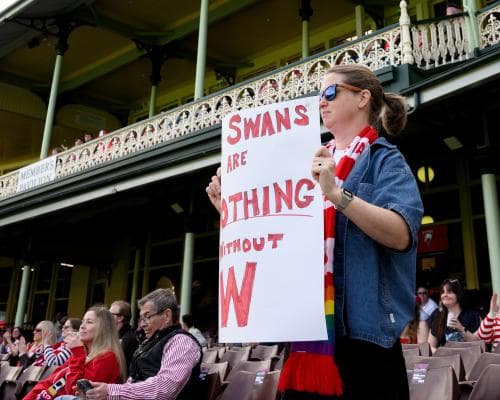
The Sydney Cricket Ground has hosted coronations of champions and the quiet grief of defeat, but on Sunday it staged something rarer: a silent referendum. The occasion was a first-of-its-kind double-header—the women's team, the Swans' AFLW side, taking on Essendon, followed by the men's final regular-season clash against North Melbourne. But as the women's side sealed a 24-point victory, the stands began to empty. Hundreds of fans, many of them lifelong members, streamed toward the exits before the men even took the field. They weren't leaving early to beat the traffic. They were leaving a statement.
The statement was about five players—Isaac Heeney, Nick Blakey, Chad Warner, Riley Bice, and James Jordon—stood down for the rest of the season for breaching club standards, including drinking and bringing women back to their hotel after a round 23 win. Victoria police are investigating an alleged sexual assault at the Pullman hotel in East Melbourne, where the team was staying. The details are grim, the allegations unproven, but the club acted with a swiftness that surprised even hardened observers. For fans like Shayal, a member for over a decade, the calculus was simple: "I'm only planning to stay for the women's game," she told reporters, her voice heavy with disappointment. "It just doesn't feel right. And I'm not sure if I'll renew my membership again."
What makes this walkout so striking is not just the moral weight—it's the social choreography. In the world of premium sport, attendance is a currency. The SCG is a place where the city's elite gather, where corporate boxes hum with whispered deals and the champagne flows as freely as the conversation. To leave early is to forfeit that currency. Yet here, the forfeiture was deliberate, a collective gesture that turned a sporting fixture into a public accounting. The fans who stayed, like Daniel, a 26-year member, framed their decision in terms of institutional loyalty: "It's ultimately a club. It's ultimately both teams," he said. "The fact that those five players are not out there made me comfortable to stay." His words capture the tension at the heart of modern fandom—the desire to separate the institution from its flawed individuals.
For the ultra-wealthy, sport has long been a stage for displaying taste and values. But this walkout signals a shift: the price of admission now includes a moral audit. The Swans' swift action—standing down five players, including stars—was a calculated move to protect the brand. In the rarefied air of premium sport, reputation is the ultimate asset, and a scandal like this threatens to devalue years of carefully cultivated goodwill. The club's response was not just about discipline; it was about damage control. Yet the fans' response suggests that even the most polished PR cannot mask a deeper unease. The walkout was not a protest against the club's decision—it was a protest against the culture that allowed it to happen in the first place.
What does this mean for the collector of experiences, the connoisseur of the SCG's hallowed turf? It means that the days of blind allegiance are over. The modern fan, like the modern buyer of a rare timepiece or a private island, wants provenance—not just of the object, but of the people behind it. They want to know that their investment, whether in a membership or a masterpiece, aligns with their values. The walkout was a signal that the market for loyalty is changing. It's no longer enough to say you're a fan; you have to be a fan of something worth supporting.
As the men's team took the field to a half-empty stadium, the message was clear: trust is the new luxury. The Swans have a long road to rebuild it, and it won't be paved with corporate partnerships or clever marketing. It will be paved with accountability, transparency, and a genuine reckoning with the culture that produced this moment. For the fans who walked out, the season is over. For the club, the real game has just begun. And for the rest of us, watching from our own boxes, it's a reminder that even the most glittering arenas can host the most uncomfortable truths.