The Unlikely Sanctuary: Inside the Backstock Room of a Scandalous Brand
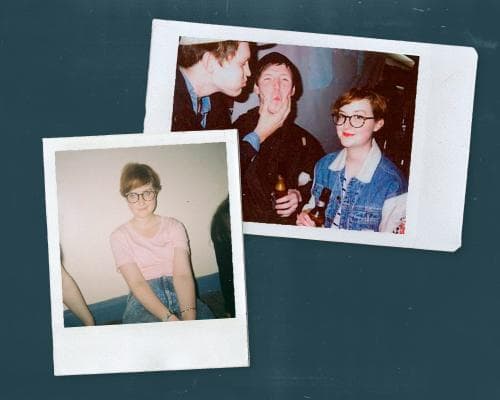
You’d expect the back room of a brand built on salacious billboards to smell like sin. Instead, mine smelled like weed, damp cardboard, and the faint, sweet tang of cheap wine. It was 2012, and I was in my early twenties, working at a retailer whose name was synonymous with scandal—a hipster empire whose ads were as provocative as its legal docket was crowded. My friends in finance would raise an eyebrow at the mention of it. My mother sighed. But here’s the secret they didn’t know: that chaotic, under-lit stockroom in Melbourne was the closest thing to a finishing school I ever had. It taught me more about loyalty, craft, and quiet ambition than any boardroom ever could.
The store itself was a microcosm of the era’s contradictions. Out front, doe-eyed art girls in sheer tops endured the leering glances of customers and the occasional visiting corporate lackey who’d ‘accidentally’ press too close while adjusting a mannequin. The weekly phone call—a breathless stranger asking if we sold women’s underwear—was a grim punchline we all shared. But out back, in the fabled backstock room, another world thrived. It was a tribe of two: the shop-floor girls, all effortless cool, and the backstock crew, a band of charming, burnout skaters who moved boxes with a zen-like calm. I was the rare hybrid—a shop assistant who’d been demoted for my inability to master the cash register, a failure that turned out to be my greatest fortune. The backstock room was the heart of the operation, a place where we folded T-shirts to the beat of a shared playlist and debated the finer points of ‘The Simpsons’ with the intensity of Ivy League seminar students. We were, in the words of our boss, a ‘rambling crew of bleary-eyed adult children.’ And we were, against all odds, a family.
Our boss was barely thirty, but he wielded the quiet authority of a seasoned patriarch. He ran a tight ship—no slacking, no shortcuts. We memorized SKU codes like monks learning scripture, ensuring the city’s fashion-forward set never went without their lamé leggings. He was the one who saw past my chaotic folding technique and into the thread of my ambition. I’d mentioned, once, in passing, that I wanted to write. He never forgot. After two years of that heavenly haze—of pizza parties, of sleeping in each other’s beds, of driving through the city at midnight with the windows down—he pulled me aside, surrounded by piles of chunky acrylic knits, and delivered a verdict that felt like a benediction: ‘You have to quit.’ I was stunned. I was famously bad at my job. But his directive wasn’t about my incompetence. It was about my potential. He knew I’d never leave on my own, so he pushed me out of the nest, gently but firmly, like a father shooing a grown child toward the door.
That moment, more than any luxury good, was the real luxury: the gift of being seen. In a world obsessed with surface—with the gloss of a campaign, the cut of a dress—this man understood that true value lies in what’s beneath. The brand’s reputation was a costume, but the backstock room was the soul. It was a place where we were free to be messy, human, and still perform at a level that would make a Swiss watchmaker nod in approval. We worked hard, we played harder, and we learned that craft—whether folding a T-shirt or writing a sentence—demands respect. The irony wasn’t lost on us: a company infamous for objectification had, in its Melbourne outpost, created a sanctuary of mutual respect and mentorship. That’s the kind of paradox that money can’t buy.
Today, as I watch the luxury market pivot toward authenticity—toward brands that speak to values, not just volume—I think of that backstock room. It was a masterclass in what the ultra-wealthy now chase: a sense of belonging, of purpose, of being part of something larger than a transaction. The fashion houses that will thrive in the coming decade aren’t the ones with the most provocative ads; they’re the ones that treat their people like artisans, not assets. That’s the new status symbol. Not the logo on your chest, but the story behind it. And the story, as I learned, is often written in the most unlikely places—between the boxes, under the flickering fluorescent light, with a crew of misfits who became your greatest mentors.
So here’s to the backstock rooms of the world. To the bosses who see your potential before you do. To the jobs that don’t look like résumé gold but polish your character anyway. In an age of curated Instagram feeds and branded everything, the rarest luxury is still a human moment—a hand on your shoulder, a quiet word, a push toward your own horizon. That’s what I carry with me. That’s the real inheritance.
The Experience
Seek out your own backstock room—whether that means finding a mentor who sees your potential or investing in a brand that values its people as much as its product. The next chapter of your story might just be written in the unlikeliest of places.