The Steakhouse Signal: Why the Cattle Crunch Is a Status Marker
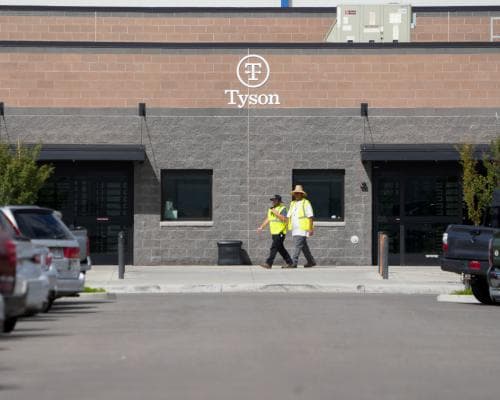
There’s a quiet drama unfolding in the heartland that should matter to anyone who’s ever ordered a dry-aged ribeye without glancing at the price. Tyson Foods, the nation’s largest meatpacker, just shuttered two beef plants in Illinois and Utah, sold a facility in Washington, and shown hundreds of workers the door. The reason isn’t mismanagement or a dip in demand—it’s a 75-year low in cattle supply. For the rest of the world, this is a supply-chain footnote. For the discerning few, it’s a reminder that the rarest commodities aren’t always found in a vault or a vineyard. Sometimes they’re grazing on a drought-stricken pasture.
The numbers behind this story are stark. Beef volume at Tyson fell 15.9% in the third quarter, and the company posted a $138 million operating loss in its beef division. The culprit: a multi-year drought, rising feed costs, and brutal economic pressure that has pushed ranchers to consolidate or exit entirely. The result is a cattle herd that hasn’t been this small since 1949. Economists are quick to point out that these plant closures alone won’t spike your grocery bill—there’s still enough processing capacity to reroute the available beef. But that’s missing the point. The real story is what this scarcity says about our appetite, our priorities, and the lengths we’ll go to for a perfect cut.
Here’s where it gets interesting for anyone who treats dinner as an experience rather than a necessity. The beef that will now travel farther to reach a processing plant may cost a bit more in logistics, but that’s noise. The signal is this: quality has become the ultimate luxury. Beef has improved dramatically over the past several years—think Japanese wagyu, dry-aging, and heritage breeds—and consumers are voting with their wallets. While pork and chicken prices have actually dropped, beef has jumped 9% in the last year alone. That’s not inflation; that’s a cultural shift. We’re in the middle of a protein craze, and beef is the crown jewel. The wealthy aren’t just buying dinner; they’re buying provenance, marbling, and a story that ends with a perfect sear.
For the ultra-wealthy, this cattle crunch is a mirror. It reflects a willingness to pay a premium for something that can’t be rushed or mass-produced. The consolidation among ranchers means fewer players control a scarcer resource—a classic setup for scarcity pricing. But unlike a limited-edition handbag or a rare vintage, beef is perishable. That urgency adds a layer of exclusivity. When you order a tomahawk at a top-tier steakhouse, you’re not just paying for the meat; you’re paying for the entire supply chain that survived a drought, a market correction, and a plant closure to land on your plate. That’s the kind of story that makes a meal memorable.
Looking forward, this isn’t a blip—it’s a recalibration. The industry is “right-sizing,” as one economist put it, which means we’re likely to see more closures, more consolidation, and even higher prices for the best cuts. For the wealthy, this is an opportunity. Invest in a ranch, secure a direct relationship with a producer, or simply savor the fact that your steak is now rarer than a Patek Philippe. The days of cheap beef are over, and for those who appreciate the finer things, that’s not a tragedy—it’s a feature. The next time you see a cattle shortage headline, don’t think about grocery costs. Think about the last great steak you had, and whether you’ll ever take it for granted again.
The Experience
For a taste of this scarcity, book a private dining experience at a top-tier steakhouse like CUT or Wolfgang’s, or consider a ranch-to-table membership with a boutique purveyor like Snake River Farms.