The Slow Unraveling: Why the 2032 Gambling Logo Phase-Out Is the Ultra-Wealthy’s Quietest Status Signal
Australia’s decision to keep betting logos on sports jerseys until 2032 is not just a policy compromise—it’s a cultural time capsule of how the super-rich navigate legacy, morality, and the long game of influence. For collectors of rare experiences and arbiters of taste, the real luxury is knowing when to walk away from the table.
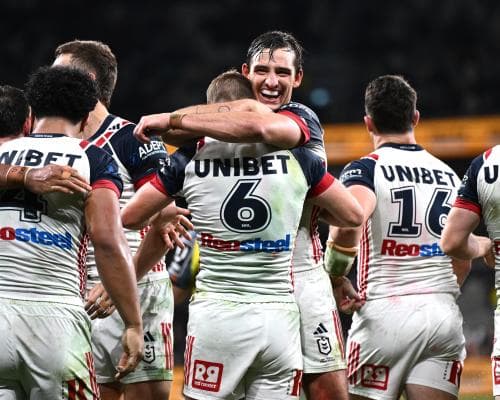
There is a particular kind of silence that falls over a room when the deal is done but the terms are still being digested. That was the mood in Canberra this week as the Labor government announced its long-awaited ban on gambling logos on sports jerseys—only to reveal that the ban would not fully take effect until 2032. Eight years. Eight more seasons of shirt-fronted sponsorships, eight more years of children’s heroes wearing the names of betting companies like badges of honor. For the rest of us, it’s a policy footnote. For the ultra-wealthy, it’s a masterclass in the art of the deferred exit.
Consider the scene at any premium sporting event in Melbourne or Sydney this weekend. The corporate boxes will be full of men in unstructured linen blazers and women in understated gold, sipping Tasmanian pinot noir while the players below run past hoardings emblazoned with odds and welcome bonuses. These are the people who understand that true power is not in the immediate victory but in the extended negotiation. The 2032 phase-out is not a failure of will; it’s a signal that the relationship between sport, money, and morality is far too profitable to be severed with a single stroke of the pen.
For the collectors among us—those who acquire vintage cars, first-edition books, and waterfront estates—the gambling logo ban delay is a curious artifact. It is a piece of cultural legislation that will be studied for decades, much like the 1980s tobacco sponsorship bans that took years to fully implement. The craftsmanship here is not in the law itself but in the carve-outs, the transition periods, the quietly negotiated grandfather clauses. It is a bespoke suit of a policy, tailored to protect the interests of those who have already sewn their bets into the fabric of the game. And like any rare object, its value lies in its complexity.
Market context is everything. The Australian gambling industry is worth billions, and its tentacles reach into every major sport—AFL, NRL, cricket, even the A-League. The phase-out period is not an oversight; it is a carefully calibrated withdrawal, designed to let the market adjust without a crash. For the investors and private equity players who own stakes in these clubs, the 2032 deadline is a known quantity, a date on the calendar around which they can structure their exits, their acquisitions, and their legacy plays. It is the kind of strategic patience that separates the merely rich from the truly wealthy.
What does this signal about luxury taste? Everything. The ultra-wealthy have always been drawn to the long game, whether it’s aging a rare whisky for thirty years or waiting for the perfect coastal plot to come on the market. The gambling logo ban delay is a reminder that the most refined luxury is not a product but a timeline. It is the ability to hold two contradictory ideas—progress and profit—in the same hand, and to let them marinate together until the moment is ripe. The truly discerning know that change, like a fine wine, cannot be rushed.
Looking forward, the 2032 phase-out will likely be remembered not as a failure but as a masterstroke of managed decline. By the time the last betting logo is pulled from the last jersey, the world will have moved on to other vices, other sponsorships, other moral battles. The ultra-wealthy will have already repositioned themselves, their portfolios, and their philanthropic legacies. They will attend the final match of the old era with a sense of quiet satisfaction, knowing that they were not merely spectators but architects of the transition. And as the next generation of fans grows up without the logos, they will wonder what all the fuss was about—which is, of course, the ultimate luxury: to have been part of the story, and to have the grace to let it fade.