The Fall of a Golden Boy: When Reputation Becomes the Rarest Commodity
A single misstep has stripped Sydney Swans star Isaac Heeney of his own brand, his books, and his place in the commercial sun — a stark reminder that in the world of the ultra-wealthy, reputation is the one asset money can't rebuy.
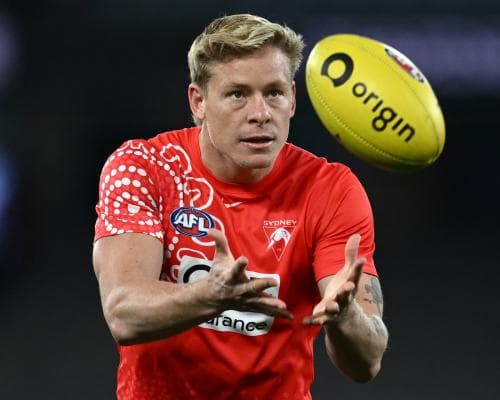
There is a particular silence that falls over a room when a once-celebrated name is removed from the wall. On Thursday morning, that silence was audible across Melbourne’s most discerning bookshops, where staff quietly pulled copies of *Little Isaac Footy Fever* from the shelves. The children’s book, co-authored by Sydney Swans midfielder Isaac Heeney, was not recalled for a printing error or a factual dispute. It was withdrawn because the man on the cover had, in the span of one night, become a liability. And in the rarefied air of premium branding, liability is the one thing no amount of polish can conceal.
Heeney’s story is not merely a sports scandal; it is a case study in the velocity of reputational collapse. The Swans’ decision to stand down five players for breaching club standards — returning late to their team hotel after a night of drinking — triggered a chain reaction that moved faster than any press release. Within hours, Heeney’s own children’s football clinic, 5th Quarter Camps, a company he co-owns with Greater Western Sydney captain Toby Greene, had scrubbed his name and image from all active promotional materials. The company’s statement was diplomatic, almost surgical: “We have removed Isaac’s name and image across active promotional materials, and he has been stood down from our upcoming camps.” No anger. No betrayal. Just the quiet, efficient machinery of self-preservation.
Here is the uncomfortable truth that the ultra-wealthy understand better than anyone: your name is not a birthright. It is a lease, renewed daily by the trust of partners, publishers, and toothpaste brands. Colgate, which had partnered with Heeney on a smile that once seemed synonymous with clean living, suspended its campaign without drama. Allen & Unwin, the publisher of the *Little Isaac* series, paused all promotion and shelved the third book until the police investigation into an alleged sexual assault at the Pullman Hotel concludes. None of the stood-down players have been arrested or charged. That fact is legally irrelevant. In the court of commercial opinion, suspicion is enough.
What makes this fall particularly fascinating is the setting. This is not a hedge fund manager caught in a whistleblower report, nor a tech founder whose startup imploded in a funding round. This is a footballer — an athlete whose entire value proposition is physical prowess and boyish charm. Heeney’s brand was built on approachability: a children’s book, a junior football camp, a toothpaste partnership. These are not luxury goods in the traditional sense. They are trust products. And trust, once fractured, does not repair with a sponsorship renegotiation or a well-timed charity appearance. It requires years of quiet, unglamorous rehabilitation — if it ever returns at all.
For collectors of fine reputations — and make no mistake, in the upper echelons of sport and business, reputation is the most coveted asset — the Heeney affair offers a chilling reminder. The market for a public persona is unforgiving. It does not care about intent, context, or the nuance of an ongoing investigation. It cares about optics, and the optics of a star player returning to a hotel at dawn, with police later investigating an alleged assault, are irredeemable. The speed with which his own company moved against him is the most telling detail. When the people who know you best — your business partners — are the first to cut you loose, the message is clear: no one is too big to fail, only too big to be seen with.
There is a certain irony that this all unfolded in Melbourne, a city that prides itself on literary culture and sporting devotion in equal measure. The bookshops that pulled Heeney’s work are the same ones that host launch parties for debut novelists and signed first editions. Their decision was not a moral stance; it was a commercial one. The clientele of Readings and Gleebooks do not want to explain to their children why the smiling man on the cover is now the subject of a police inquiry. They want their stories clean, their heroes uncomplicated, and their purchases guilt-free. Heeney’s books will return to shelves only when the public has decided, collectively, that his story is again safe to consume.
What comes next for Heeney is not a matter of legal vindication. It is a matter of patience, humility, and the slow rebuilding of a name that was once worth more than any contract. The luxury market has long understood that scarcity drives value. In the aftermath of a scandal, a reputation becomes scarce in the worst way — not rare, but radioactive. The only path back is the one no press release can accelerate: time, service, and the quiet acceptance that the spotlight, once so flattering, now illuminates every flaw. For the rest of us, the lesson is simple. Guard your name like a masterpiece. Once it is damaged, no restorer can make it original again.