The Billion-Dollar Question: What Instagram's CEO Didn't Say in Court
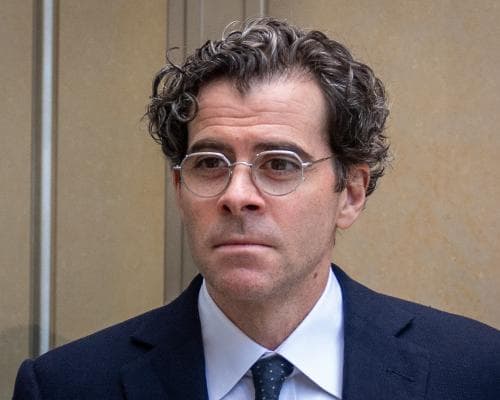
Imagine sitting in a hushed California courtroom, the air thick with the scent of money and consequence, as the man who shapes the digital lives of two billion people squirms under oath. That was the scene on Tuesday, when Adam Mosseri, the CEO of Instagram, stepped into the federal witness box in Oakland. He wasn't there to unveil a new algorithm or a sleek AR filter. He was there to defend his company against a historic lawsuit filed by 29 US states, a legal battle with a price tag that could reach a staggering $200 billion. For the ultra-wealthy, this isn't just a tech squabble; it's a masterclass in how power, influence, and reputation are managed when the stakes are nothing less than the mental health of a generation and the future of a platform that has become a global currency of status.
The core of the matter is as simple as it is explosive: the states allege that Meta, the parent company of Instagram and Facebook, deliberately engineered its products to be addictive, hooking young users and fueling a mental health crisis of anxiety, depression, and even suicide. They also claim the company illegally collected data on children under 13. Mosseri, a man who has navigated the corridors of power since 2018, spent his first day of testimony deflecting questions about a feature called 'Take a Break,' designed to nudge teens to close the app. When prosecutor Jason Slothouber pressed him on why he never publicly disclosed that only 1.8% of teens actually opted in, Mosseri offered a shrug-worthy defense: 'We don't publish every single stat.' It's a line that speaks volumes about the gap between corporate marketing and operational reality. For the assembled plaintiffs, it was a moment of validation; for Meta's legal team, it was a bump in the road.
The craftsmanship angle here is less about tangible luxury and more about the meticulous construction of a narrative. Mosseri, a product of the tech elite, has always been a master of the polished blog post and the carefully timed announcement. In December 2021, just a day before his Senate testimony, he published a post titled 'raising the standard for protecting teens and supporting parents online,' unveiling the very 'Take a Break' tool that is now at the center of this trial. The timing was impeccable, a PR move worthy of a high-stakes auction house. But as the courtroom testimony reveals, the sheen of that announcement hides a more complex truth: the tool's adoption was minuscule, a fact that Mosseri chose not to broadcast. In the world of high-end brands, scarcity is a selling point; in the world of teen safety, it's a liability.
This trial is a signal, a seismic shift in how we view the digital empires that command our attention. For decades, the ultra-wealthy have poured billions into tech platforms, betting on their growth and cultural dominance. Now, the legal system is asking a fundamental question: are these companies more like a luxury car manufacturer, accountable for every defect, or a casino, where the house always wins? The outcome could force Meta to redesign its products, not for engagement, but for safety. It could also set a precedent that ripples through every social media app, from TikTok to Snapchat, affecting how they monetize the most vulnerable users. For investors and tastemakers alike, this is a reminder that the true cost of digital influence may far exceed the stock price.
Looking ahead, the verdict in this case will be watched with the intensity of a major art auction. If the states win, we could see a forced redesign of Instagram, a move that would fundamentally alter the user experience for millions. But beyond the legal fine print, there's a deeper story here about trust and the price of silence. As Mosseri returns to the stand on Wednesday, he carries not just the weight of his company's future, but the broader question of whether the architects of our digital world will be held to the same standards of transparency as the stewards of our physical ones. For those of us who navigate this landscape, it's a story worth following—not just for the legal drama, but for what it reveals about the hidden machinery behind the screens we can't look away from.
The Experience
For a front-row seat to the intersection of tech and law, consider a private consultation with a digital rights attorney or a curated briefing from a legal analyst specializing in tech litigation.