The Beavers of Norfolk Are Back—and They’re Teaching Us a New Kind of Generosity
Wild beaver kits have been born in Norfolk for the first time in over 500 years, a quiet triumph for nature and a testament to the power of letting wildness return. The reserve that welcomed them is celebrating not just the animals, but a new model of conservation that asks us to be patient, humble, and open to surprise.
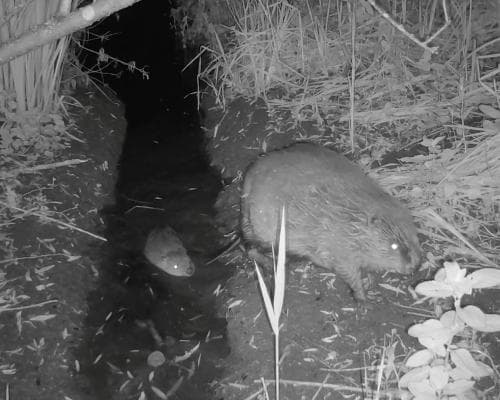
The first sign was a single, small, wet nose poking out of a lodge on the River Wensum. Then came a second, and a third—two beaver kits, no older than three months, tumbling over each other in the soft Norfolk mud. For Richard Spowage, the manager of Pensthorpe nature reserve, it was a moment he had dared not hope for. “We initially saw a single young one with a parent, just pottering around, doing little beaver things,” he told the Guardian. “And then, in a later piece of footage, it went off… and suddenly it came running back, and a second kit was running after it.” The kits are the first wild beavers born in Norfolk in more than five centuries.
How they got here is a mystery. The pair of adult beavers that produced them arrived at Pensthorpe last December, seemingly out of nowhere. The nearest known wild population is over 130 miles away, on the River Stour in Kent. Some suspect the animals were illegally released by conservation activists—a practice known as “beaver bombing” that Pensthorpe does not support. But Spowage is not interested in blame. He is interested in what the beavers are doing, and what they might teach us about the art of giving.
This is not a story about a billionaire writing a cheque. It is a story about a nature reserve that chose to say yes to a mystery. Pensthorpe, a 700-acre estate in north Norfolk, has spent decades restoring wetlands and woodlands. When the beavers arrived, the team could have seen them as a problem—an invasive species, a liability, a legal headache. Instead, they saw an opportunity. They gave the beavers space. They watched. They waited. And the beavers repaid them with something no amount of money can buy: new life.
The kits, which are thought to be about three months old, are already learning the trade of their species. They feed on willow and water mint, though one had a comical run-in with a stinging nettle. “It reacted really suddenly, jumped back and started shaking its face,” Spowage said. They are also learning to dive and to tailslap the water to scare off predators—a skill that will serve them well in a river that is now, once again, a beaver’s home.
But the impact of this birth goes far beyond a single family of rodents. Beavers are ecosystem engineers. Their dams slow water, reduce flooding, filter pollution, and create habitat for fish, insects, and birds. A single beaver family can transform a degraded river into a thriving wetland. The arrival of the kits means that, for the first time in 500 years, Norfolk’s rivers have a chance to heal themselves—with a little help from the creatures that once lived there.
This is the deeper lesson of Pensthorpe’s beavers. Philanthropy is not only about giving money. It is about giving trust, giving space, giving time. The reserve’s managers could have ejected the beavers or reported them to authorities. Instead, they chose to let nature take its course, to let the mystery unfold. In doing so, they have created a model for conservation that is both radical and ancient: sometimes the best gift is to step back and let the wild do what it has always done.
For Spowage, the joy is personal. “It’s amazing,” he said. The footage of the kits, the sight of a parent teaching a child to dive, the sound of a tiny tail slapping the water—these are the moments that remind us why we protect the natural world. Not because it is useful, though it is. Not because it is beautiful, though it is. But because it is alive, and because every new life is a small, stubborn act of hope. In a world of climate anxiety and ecological loss, the birth of two beaver kits in Norfolk is a reminder that generosity can come from the most unexpected places—and that the most powerful gift we can give is often simply the courage to let things be.