The Art of the Meeting: Hakeem Jeffries’s Risky, Rule-Breaking Sit-Down with Jared Kushner
House Minority Leader Hakeem Jeffries defends his private meeting with Jared Kushner, insisting it was about the affordability crisis, not appeasement. A bold move that has Democrats fuming and Republicans watching — and a masterclass in political philanthropy.
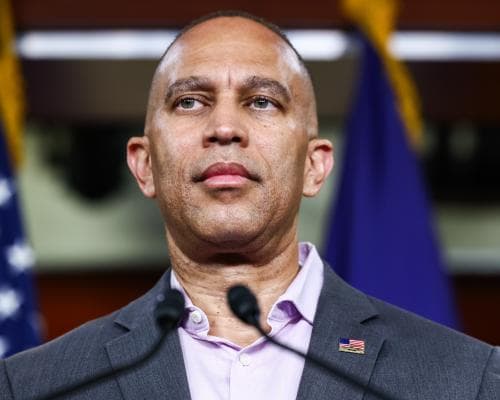
The room was quiet. No cameras. No press pool. Just two men, one a Brooklyn-born Democratic leader, the other the president’s son-in-law and unofficial Middle East envoy. When word leaked that Hakeem Jeffries had met privately with Jared Kushner, the political world did what it does best: it exploded. But Jeffries, the House Minority Leader, didn’t flinch. Instead, he took to X with a message that was equal parts defiance and clarity: “No one from the Trump cartel is getting a pass.”
This wasn’t a backroom deal or a cozy chat with the enemy. Jeffries insists the meeting was requested by Kushner, and that the agenda was as American as apple pie: housing, immigration, and the crushing cost of living. In a time when political discourse has devolved into shouting matches and performative outrage, Jeffries chose the harder path — the one that says you can talk to your adversary without becoming them. It’s a rare form of political courage, one that echoes the kind of quiet, strategic philanthropy that doesn’t make headlines but moves mountains.
Jeffries is no stranger to navigating treacherous waters. As the first Black party leader in Congress, he’s built a career on bridging divides — from his early days as a corporate lawyer to his rise in the House Democratic caucus. He’s known for a cool, almost preternatural calm, the kind that makes you think he’s always three steps ahead. That calm was tested when former Obama aide Tommy Vietor called Kushner “a guy with no actual government job” who “just uses his family connections to get money from Gulf autocrats.” James Carville, the eternal Democratic firebrand, went further, suggesting Jeffries should have dragged Kushner before a committee, not shared a table with him.
But Jeffries’s move wasn’t about giving Kushner a pass. It was about leveraging a conversation for the people who don’t have a seat at that table. The affordability crisis isn’t a partisan issue — it’s a kitchen-table issue. Rents are up, groceries are up, and the American dream feels like it’s on layaway. By sitting down with Kushner, Jeffries was doing what the best philanthropists do: finding unlikely allies to solve urgent problems. He didn’t compromise his values; he expanded his toolkit.
The mechanics of this meeting are telling. It wasn’t a formal negotiation or a public summit. It was a private, exploratory conversation — the kind that precedes real change. Jeffries’s team framed it as a listening session, a chance to find common ground on issues where the Trump administration might actually act. Housing, for instance, is a rare bipartisan concern, with both parties feeling the heat from voters who can’t afford to live in the cities where they work. Immigration reform, too, has been stuck in a decades-long logjam, and any opening, however small, is a chance to move the needle.
What does this mean for the culture of giving — political or otherwise? It’s a reminder that impact rarely comes from purity. The most effective changemakers are often those willing to get their hands dirty, to sit across from people they fundamentally disagree with, and to find the one thread that can pull the whole sweater. Jeffries’s meeting with Kushner is a case study in strategic engagement: you don’t have to like the person, but you have to understand what makes them tick if you want to change their behavior.
For Democrats who see this as a betrayal, Jeffries offers a simple counter: accountability isn’t about isolation; it’s about information. By hearing Kushner out, Jeffries gains insight into the administration’s thinking, which is a form of power. And his promise to “follow the facts, apply the law, and be guided by the constitution” isn’t hollow — it’s a commitment to use whatever he learns for the public good. In a world where philanthropy is often about writing checks, Jeffries is writing a different kind of check: one of political capital, spent on the chance to make life a little less expensive for millions of Americans.
So, was this a meeting of the minds or a masterclass in political jujitsu? Maybe both. Jeffries walked a tightrope without a net, and he didn’t fall. He didn’t give Kushner a pass, but he gave him a hearing — and that’s more than most of us would do with someone we consider part of a “cartel.” In the end, this is the kind of story that doesn’t end with a headline; it ends with a question: What if we all talked a little more and shouted a little less? The answer, Jeffries seems to say, is that we might just solve something.