The Art of the August Escape: Why Italy’s Villeggiatura Is the Ultimate Luxury
In an era of constant connectivity and performative productivity, Italy’s centuries-old ritual of the August break—villeggiatura—offers a masterclass in deliberate leisure. More than a vacation, it is a cultural inheritance worth coveting, and perhaps reviving.
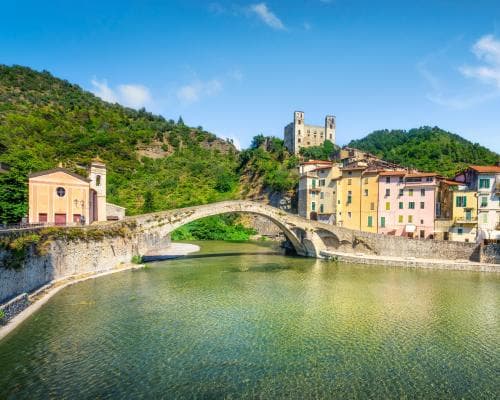
On the Riviera di Ponente, where the Ligurian coast’s glitzy resort towns give way to a quieter stretch of shoreline, the Albenga plain unfurls like a secret kept from the jet set. Here, beneath the shade of eucalyptus trees, families still gather for card games, picnics of ripe tomatoes and focaccia, and long, cicada-loud naps through the afternoon heat. There are no private beach cabanas or champagne service here—just the unapologetic pleasure of doing nothing, together, for a month. This is villeggiatura, Italy’s mythic summer exodus, and it may be the most refined luxury the modern world has forgotten.
The word itself carries centuries of pedigree. Villeggiatura began in the Renaissance, when Florentine and Venetian nobles fled their sweltering palazzos for hilltop villas, trading courtly obligations for the simple rhythms of the countryside. It was a privilege of the few, a seasonal migration of silk and marble. But by the 20th century, something remarkable happened: the working classes claimed it for themselves. In the postwar boom, as factories in Turin and Milan belched smoke and promised prosperity, workers demanded more than wages—they demanded time. The trade unions, once a formidable force, secured some of Europe’s longest protected holidays, and by the 1960s, millions of Italians considered a month by the sea or in an ancestral village not a luxury, but a fundamental right.
That era is immortalized in Gino Paoli’s 1963 hit “Sapore di Sale,” a jukebox anthem of “lazy days passing by” and dreams of a world beyond the assembly line. The song’s wistful melody still drifts through coastal campsites and bungalow colonies, where the Albenga plain’s modest holiday homes stand in defiant contrast to the boutique lidos that now line much of the Riviera. Here, the dress code is simple, the schedule nonexistent, and the only appointment is with the afternoon shade. It is a picture-postcard image, yes, but one with a political spine—a reminder that leisure, hard-won, is a form of wealth that cannot be bought, only earned.
For the ultra-wealthy, this presents a delicious paradox. You can charter a superyacht, book a private island, or reserve a suite at a five-star resort, but you cannot purchase the ease of a family that has, for generations, simply stopped. The true connoisseur of the good life understands that luxury is not about more—it is about the confidence to do less. Villeggiatura offers that, in its purest form. It is the antithesis of the “working vacation,” the detox retreat, or the productivity-boosting sabbatical. It is a month of deliberate aimlessness, a practice of presence that no amount of money can fast-track.
In the collector’s world, we chase rare watches, vintage cars, and first-edition books—objects that appreciate in value and confer status. But the most discerning among us are beginning to collect time itself. The Albenga plain, with its campsites and card tables, is a living archive of a philosophy that treats August as a sacred, non-negotiable pause. It is a heritage asset, intangible and priceless, and its value is rising as our own culture’s obsession with burnout becomes a badge of honor. To emulate villeggiatura is not to mimic the Italian working class, but to recognize that their hard-won ritual is a form of cultural capital that the rich have been trying to buy back ever since.
As the climate warms and the pace of life accelerates, the August break may feel like an anachronism—a slow, hot, glorious anachronism. Yet there is a growing whisper among tastemakers that the future of luxury lies in restraint, in the courage to switch off, and in the simple dignity of a nap under a tree. Italy has been showing us how for centuries. The next time you plan your summer, consider not the latest resort or the most remote archipelago, but the eucalyptus groves of the Albenga plain. Pack a deck of cards, a good book, and nothing else. Let the cicadas be your soundtrack. That, not any material possession, is the ultimate status symbol.