The $359 Spectacle Threatening the Red Carpet: Why Smart Glasses Are the New Velvet Rope
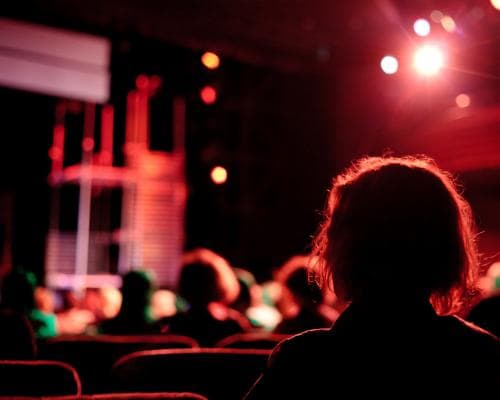
Imagine the scene: the lights dim, the Dolby rumble begins, and a few rows ahead, a faint LED blinks like a tiny, malevolent star. In the old days, you'd spot a bootlegger by his bulky camcorder. Today, the threat is far more elegant—a sleek pair of £359 spectacles that look like a fashion statement but can silently record the entire first act. UK cinemas are now drawing a line in the dark, moving to ban Meta's smart glasses from the big screen. And while the headlines scream 'piracy,' the real story is about the collision of cutting-edge tech with the sanctity of shared experience—the kind of friction that defines the new luxury landscape.
The UK Cinema Association, the trade body representing the country's major chains, has confirmed that a growing number of venues are drafting policies to restrict camera-enabled smart glasses. No official bans have been issued yet, but the writing is on the wall—or rather, on the screen. The glasses, priced at a relatively modest £359, have already earned nicknames like 'pervert glasses' and 'spyware' for their covert recording capabilities. They've been banned from restaurants, theatres, pubs, and even courtrooms. Now, the last bastion of immersive darkness—the cinema—is fortifying its perimeter. The trade body's statement is a masterclass in diplomatic caution, acknowledging the technology's benefits for accessibility while nodding to the 'privacy and film piracy' concerns that are forcing their hand.
But here's where the story gets interesting for those who understand the value of exclusivity. The same glasses that could ruin a film's opening weekend also offer bespoke subtitles and audio descriptions for the visually or hearing impaired. It's a genuine dilemma: how do you balance the democratizing power of AI-assisted accessibility against the need to protect a multi-million-dollar intellectual property? The UKCA says its members are 'mindful' of both sides, but the instinct to protect the product—and the experience—is winning. After all, a cinema ticket is not just a transaction; it's a contract of immersion. When you pay for a private screening or a premium seat, you're buying the unbroken spell. A blinking LED in the row behind you shatters that illusion faster than a phone call.
This isn't just about piracy; it's about the erosion of trust. Meta insists its glasses have a flashing light whenever recording, and tamper-detection tech to prevent covering it. But we've all heard the stories—people filmed without consent in gyms, changing rooms, and now, allegedly, in the dark of a cinema. The 'spyware' label is sticky for a reason. For the ultra-wealthy, privacy is the ultimate currency. If you're used to booking a private box at the Royal Opera House or a screening room in your own penthouse, the thought of a stranger's glasses capturing your discreet laughter or a whispered comment is chilling. The backlash is a reminder that no matter how sleek the titanium hinges or how smart the AI, nothing replaces the assurance of a camera-free zone.
So, what does this mean for the luxury market? It signals a shift from 'what can we do' to 'what should we allow.' The smart glasses are a test case for a broader debate about wearable tech in exclusive spaces. High-end venues—from Michelin-starred restaurants to members-only clubs—are watching closely. Some will ban outright, others will offer 'glasses check' at the coatroom, a new form of velvet rope. For the discerning consumer, the message is clear: your presence is worth more than your recording. The future of luxury isn't just about the newest gadget; it's about the curated absence of it. As the UKCA works with its members to keep policies 'relevant and proportionate,' one thing is certain: the next time you settle into a leather recliner for a premiere, the person next to you might be wearing $3,000 designer frames—but they'll be the ones without a camera.
For now, the smart glasses remain a fascinating paradox: a tool of connection that divides us, a promise of convenience that threatens the one thing money can't buy—undivided attention. As cinemas and other venues tighten their rules, the true luxury is becoming the freedom to watch without being watched. So, the next time you're offered a pair of 'smart' anything, remember: the most exclusive accessory in the room is still your own unmediated gaze.
The Experience
For a truly untethered screening, book a private cinema suite at The May Fair Hotel in London, where smart glasses are checked at the door and your only accessory is a glass of Krug.