The $20 Billion Dinner That Never Happened: Inside the Collapse That Shook the Maple Leaf
At 11:59 PM on a Friday, the most expensive negotiation in North American history was still alive. By 12:00 AM, it was dead. In the span of sixty seconds, a deal that would have reshaped the flow of steel, aluminum, and automobiles across the world's longest undefended border evaporated—and with it, the Canadian dollar's three-month winning streak. For the global elite, this wasn't just a diplomatic spat. It was a $20 billion reminder that in the new world order, even the closest allies can turn into adversaries overnight. And if you're not paying attention, your portfolio will pay the price.
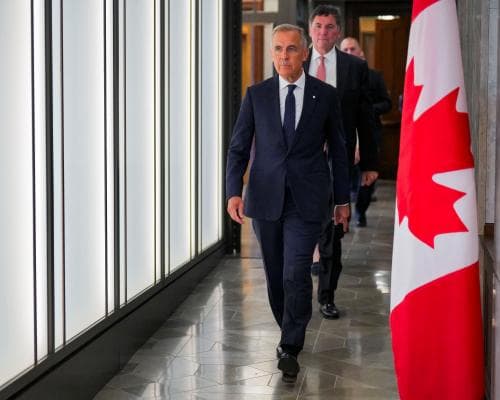
The numbers tell the story. The US slapped 50% tariffs on $20 billion worth of Canadian goods—roughly the GDP of a small nation. The loonie dipped 0.2% to C$1.3798 per US dollar, retreating from a three-month high. But the real damage isn't in the exchange rate. It's in the message. Mark Carney, Canada's prime minister, walked away from the table with a defiant quote that will echo through boardrooms for decades: "They asked too much and they offered too little... you're at war when you're attacked, and we got attacked." He promised to match tariffs "dollar for dollar," turning a trade dispute into a full-blown economic conflict. The trigger? A seemingly trivial issue: Canada's ban on US alcohol in eight of its ten provinces and all three territories. A bottle of bourbon started this. A billion-dollar deal ended it.
For those who collect rare assets, this is a masterclass in the value of sovereignty. The breakdown came after weeks of intense, urgent negotiations. Donald Trump had claimed on Tuesday that a three-day extension was imminent, that a deal was "all but signed." On Wednesday, he told reporters a "very fair deal for both sides" had been ironed out. But when details leaked to Canadian media, alarm bells rang. Carney and his negotiators were reportedly conceding too much in exchange for lower tariffs on steel, aluminum, and cars. The last-minute US demands, according to Carney, would have undermined Canada's sovereignty. So he walked. In the world of high-stakes dealmaking, this is the equivalent of walking away from a Picasso at auction because the frame wasn't right. It's a statement that some things—like national self-determination—are worth more than any price tag.
What does this signal about wealth and taste in the luxury market? It signals that volatility is the new luxury. The ultra-wealthy don't just buy assets; they buy stability. And when trade talks collapse, stability becomes the rarest commodity of all. The Canadian dollar's dip is a warning to anyone with cross-border holdings: nothing is safe. But it's also an opportunity. Savvy investors are watching the fallout, looking for bargains in Canadian real estate, energy, and rare natural resources. The tariffs on Canadian goods—from lumber to maple syrup—will create supply chain disruptions that could drive up prices for luxury goods worldwide. If you're building a cellar of rare Canadian whisky or commissioning a custom yacht from a Quebec shipyard, expect to pay more. And if you're looking to diversify, consider this: the nations that prioritize sovereignty over short-term gains are the ones that will weather the storm.
Looking forward, this is not a one-off event. The collapse of US-Canada talks is a warning to nations worldwide that pursuing dialogue with the current US administration is doomed at the outset, according to observers. Andrea Lawlor, an associate professor of political science at McMaster University, put it bluntly: "No matter the closeness of the historical relationship, the American administration has signalled that it now prioritises its interests above those of some sort of global economic coordination or harmony." For the ultra-wealthy, this means the era of predictable cross-border trade is over. The new playbook? Hedge your bets, diversify your assets, and never assume a deal is done until the ink is dry. The Canadian dollar will recover—it always does—but the lesson won't be forgotten. In a world where a tariff can fall like a guillotine, the true luxury is flexibility. And the wise will invest accordingly.
The Experience
To navigate these turbulent markets, consider private wealth management services that specialize in cross-border asset protection and currency hedging. A discreet consultation with a global financial advisor could be your most valuable investment this quarter.