The $2,000 Dishwasher That Couldn't Wash: A Lesson in Consumer Sovereignty for the Discerning Owner
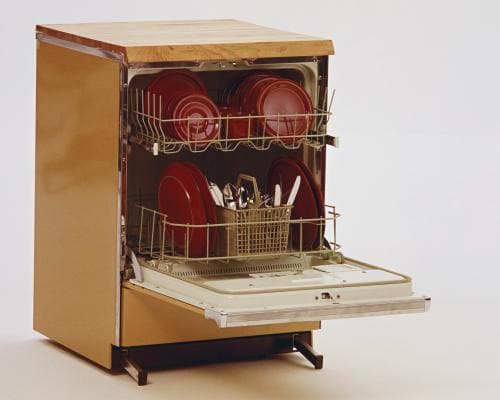
Imagine this: you've just spent a small fortune on a top-of-the-line German-engineered dishwasher, the kind that promises a silent, steam-infused, crystal-safe clean. You install it in your investment property, expecting the quiet hum of efficiency. Instead, you get plates that come out looking like a modern art installation of dried sauce and grease. The technicians come, they nod, they run their diagnostic tools, and they declare it 'functioning as intended.' But you know better. You've seen the reviews, the chorus of other owners whispering the same complaint. This isn't a fault you can point to; it's a fundamental failure of purpose. This is the new frontier of luxury consumerism: the battle for the soul of your appliance, and it's a battle that requires more than a polite letter to the manager. It requires the precision of a legal strategy and the patience of a seasoned art collector waiting for the perfect piece to come to auction.
This is the exact scenario that recently befell one of our readers, a landlord who, after two years of frustration, was left with a useless, expensive box of steel in her garage. The retailer refused to budge, and Fair Trading's gentle mediation proved as effective as a whisper in a hurricane. The only path left, according to the authorities, is the NSW Civil and Administrative Tribunal (NCAT). Now, for those of us who navigate boardrooms and private banks, the word 'tribunal' might sound distressingly bureaucratic. But in the world of high-value purchases, it's the modern-day equivalent of a duel at dawn—a formal, structured confrontation where the truth of your purchase is tested. The good news? Under the Australian Consumer Law, you have a powerful weapon: the consumer guarantees. These aren't just fine print; they are the unspoken contract that a premium product must not only exist but must perform its core function to a standard a reasonable person would expect. If it's sold as a dishwasher, it must, well, wash dishes. It's a simple, elegant principle that cuts through the noise of 'no fault found.'
The real question is not whether you have a case, but how you play the game. The first move is to understand the battlefield. NCAT is designed to be accessible, but don't mistake accessibility for simplicity. You must first attempt a conciliation, a separate step from Fair Trading's earlier mediation, which is essentially a structured negotiation before a judge. This is where your legal counsel becomes worth their weight in gold. They'll help you frame the argument not as a technical fault, but as a breach of the fundamental guarantees of 'acceptable quality' and 'fitness for purpose.' You'll present your evidence: the reviews, the photos of the grimy glasses, the timeline. It's a case of reputation versus reality. The cost? Typically, a modest filing fee, but the real cost is your time and the emotional toll of dealing with a product that has failed you. And time, as any investor knows, is the most precious asset. You have a strict three-year window from when the problem began, and ten years from when the product was supplied. With a problem that started two years ago, the clock is ticking.
But this story is about more than one dishwasher. It's a barometer of the modern luxury market's hidden flaw. We are conditioned to believe that a higher price tag equates to flawless performance. But the reality is that even the most prestigious brands can produce a lemon. The difference lies in how they handle it. A true luxury brand—whether it's a Swiss watchmaker or a German appliance manufacturer—understands that the purchase is just the beginning of the relationship. The after-sales experience is as crucial as the product itself. When a retailer hides behind a 'no fault found' diagnosis, they are not just failing to fix a machine; they are failing to honor the trust you placed in their name. This is why the savvy consumer now treats every major purchase as a legal document, a promise that must be kept. It's why the ultimate status symbol isn't the appliance itself, but the effortless way you navigate its potential failures.
So, what does the future hold for our reader? If she applies to NCAT, she stands a strong chance of a favorable outcome. The tribunal has a reputation for siding with the consumer in cases where a product demonstrably fails to do its job. The retailer will likely be forced to offer a refund or a replacement. But the lesson extends far beyond her kitchen. For the ultra-wealthy, this is a reminder that the law is not just a tool for the corporate world; it's your ally in the domestic sphere. It's the ultimate concierge service, ensuring that your standards are met, no matter how mundane the object. The next time you're tempted to dismiss a small claims process as beneath you, remember: the true test of luxury is not in the acquisition, but in the resolution. And in this case, a little bit of legal grit is the most refined accessory you can own.
The Experience
For a seamless resolution of your high-value purchase disputes, consider engaging a private client attorney who specializes in consumer law and can navigate NCAT on your behalf, ensuring your standards are met with the same precision you demand from your appliances.