Tata succession drama: Why Chandrasekaran's exit has Mumbai's boardrooms buzzing
Tata Sons chairman N Chandrasekaran exits by 2027, sparking succession speculation. TV Narendran emerges as frontrunner amid trust and board tensions.
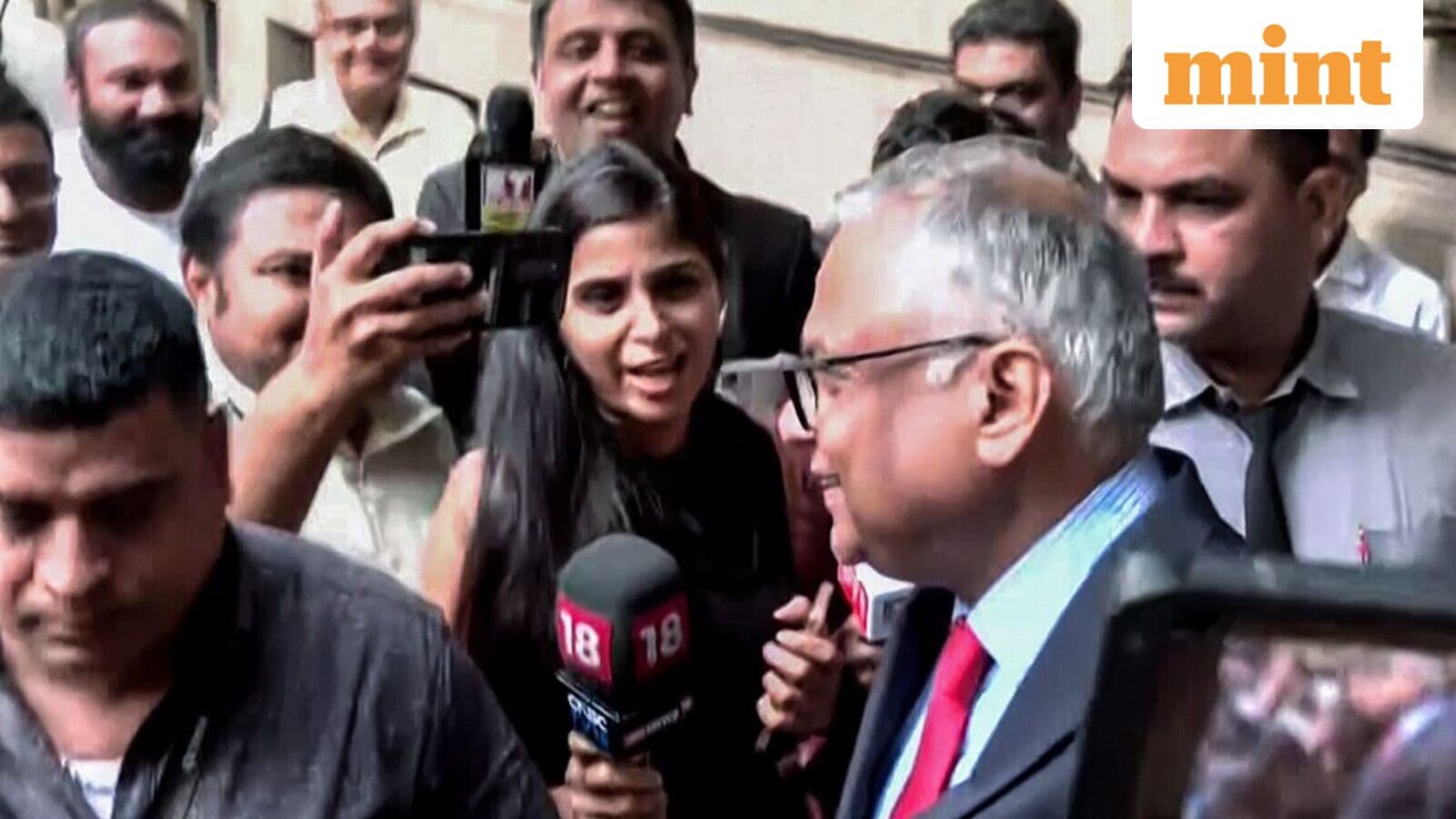
For a group that has quietly held India's corporate hand for over a century, the Tata empire is now at the centre of its most public, and most uncomfortable, leadership drama in decades. N Chandrasekaran, the man who steered Tata Sons through the post-Ratan Tata era, has said he will not seek reappointment when his term ends in February 2027. That announcement, made abruptly this week, has set off a scramble in Mumbai's clubby boardrooms and trust offices — because the question of who sits at the top of this $180-billion conglomerate is not just about one company. It is about the custodian of India's most trusted business brand, a sprawling empire that touches aviation, steel, cars, software and even the humble coffee bean.
The core facts are stark. Chandrasekaran, who has chaired Tata Sons since 2017, cited a lack of support from a board member as the reason for stepping aside. He did not name names, but the Indian media has been quick to point the finger at Noel Tata, half-brother of the late Ratan Tata and chairman of Tata Trusts, the charitable entities that collectively own about 66% of Tata Sons. The Sir Dorabji Tata Trust has already passed a resolution to form a selection committee "as soon as possible," but the process is not straightforward. A five-member panel — three nominees from the trusts, one from the Tata Sons board, and one independent member — will choose the next chairman. Yet the Sir Ratan Tata Trust is currently barred from convening trustee meetings by the Maharashtra Charity Commissioner, an order issued in May as part of an inquiry into whether its lifetime trustees violate state public trust laws. So even the mechanics of succession are tangled.
The frontrunner, according to reports, is TV Narendran, the 61-year-old managing director of Tata Steel. Narendran joined Tata Steel in 1988 and has spent his entire career inside the group, leading the steel giant since 2013. He is described by peers as a low-key, deeply loyal insider with a strong operational record. RPG Enterprises chairman Harsh Goenka, a veteran of India's business scene, has publicly bet on Narendran, calling him "a proven Tata insider, strong operating track record, respected across the Group, low-key and with Tata values in his DNA." That endorsement matters — Goenka is not a Tata man, but he knows how India's old-money conglomerates think. People close to Noel Tata, however, say no decision has been made and the group was not prepared for a transition at this stage. One source told The Times of India that Narendran "could be part of Noel's inner team," which reads as both a possibility and a warning.
To understand why this matters beyond India, you need to grasp the peculiar structure of the Tata Group. It is not a typical family business. The Tata Trusts — charitable bodies set up over a century ago — own the majority of Tata Sons, the holding company. That means the chairman is not just answerable to shareholders but to a philanthropic mandate, a legacy of the Parsi industrialist families who built modern India. The trusts do not run day-to-day operations, but their shareholding gives them decisive influence over who sits at the top. When Ratan Tata died in 2024, the delicate balance between the family's personal ambitions and the group's institutional ethos became fragile. Noel Tata, who took over the trusts, is now the most powerful figure behind the scenes. Chandrasekaran's exit, framed as a lack of support, suggests the two men have clashed over strategy — particularly around Air India's operations, losses in newer businesses, and the digital roadmap.
For Asia's wealth watchers, this is a moment to study how India's old economy transitions to new leadership under pressure. The Tata Group is not a startup; it is a national institution. Its chairman commands respect not just in Mumbai but in London, Singapore and New York, where Tata companies operate. The succession battle is a test of whether the trusts can separate family loyalty from corporate competence — and whether a quiet insider like Narendran can hold the line against a board that has already shown it can push out a chairman. The fact that Chandrasekaran, a man who led TCS to global software dominance and steadied the group after the Cyrus Mistry crisis, felt unsupported is a signal that the old rules of deference are breaking down.
What happens next will shape the Tata Group's trajectory for a generation. If Narendran takes over, expect continuity — he is a steel man, not a tech visionary, and his focus will be on operational discipline rather than bold bets. If the selection committee throws up a surprise, it will signal that the trusts want a more aggressive, perhaps younger, leader to take on the challenges of Air India's turnaround and the group's push into new-age businesses. Either way, the clock is ticking. Chandrasekaran has until February 2027, but the selection process needs to start soon, and the trust's legal hurdles must be cleared first. For those who follow capital in Asia, this is not a soap opera — it is a case study in how the region's most storied conglomerates manage the messy intersection of family, philanthropy and power. The next chairman will inherit not just a balance sheet, but a legacy that India's middle class still trusts more than any other corporate name. That is a heavy crown to wear, especially when the people who placed it on your head cannot agree on who you should be.