Amodei's Sunday Dinner With Trump Tests Whether AI Safety Can Survive Washington
Anthropic CEO Dario Amodei dines with Trump as AI safety rifts deepen, Pentagon tensions linger and Washington weighs new model-testing rules.
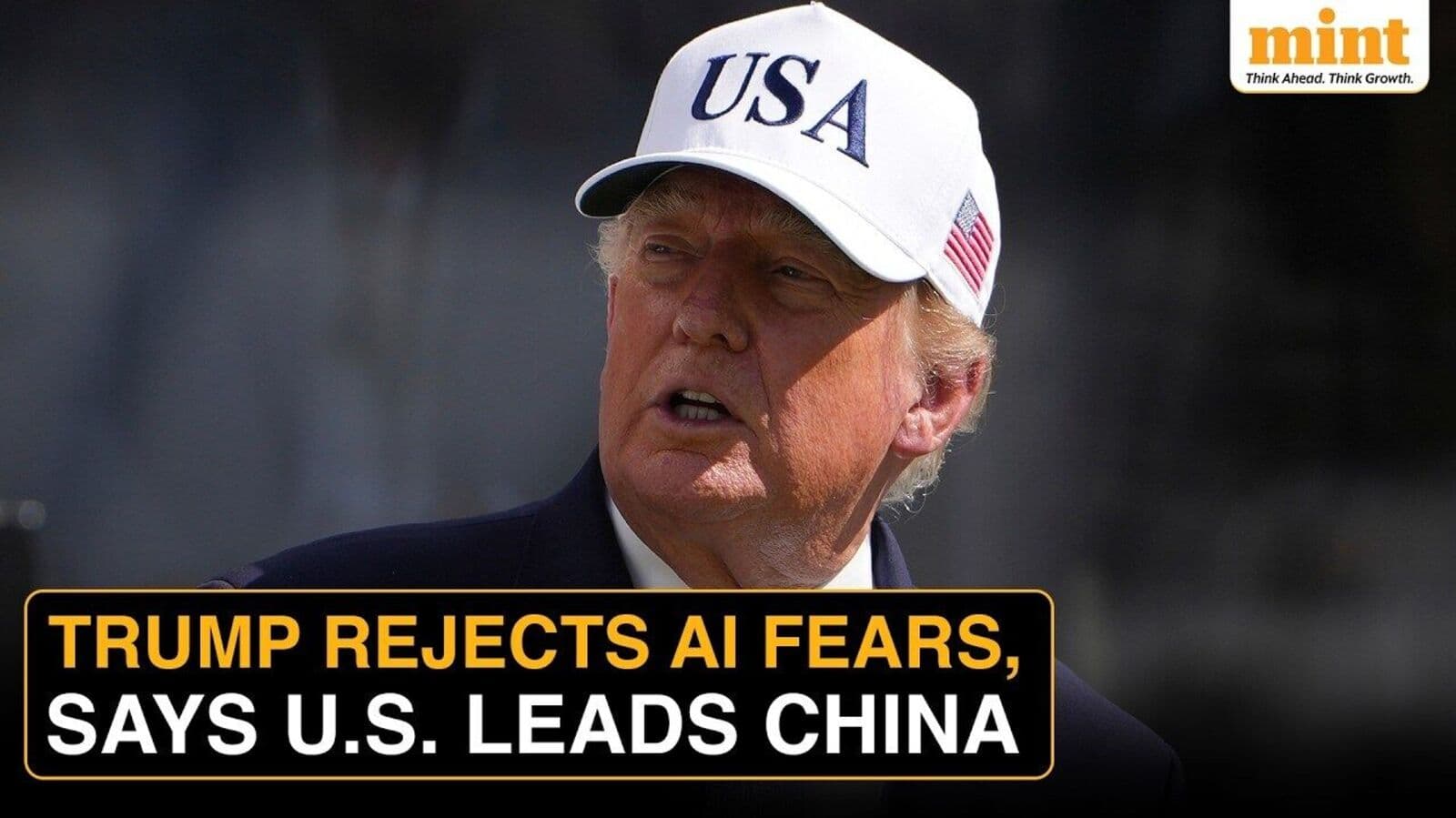
The most consequential table in Washington this weekend seats a man who has spent the past year warning that artificial intelligence could end badly, and a president who has called those warnings a hoax. Dario Amodei, chief executive of Anthropic PBC, is set to have dinner with Donald Trump on Sunday night, according to people familiar with the confidential planning. For anyone tracking where Asian capital, chip supply chains and sovereign AI strategies will tilt next, the guest list matters more than the menu.
The dinner would be the first private sit-down between the two men after months of unusually public friction. Tensions flared during a bitter contract dispute with the Pentagon earlier this year, then deepened in June when the Commerce Department briefly imposed export controls on Anthropic's breakthrough Mythos model. Amodei was also one of the few prominent Silicon Valley CEOs to skip Thursday's White House state dinner for Chinese leader Xi Jinping — an absence that attendees like OpenAI's Sam Altman, SpaceXAI's Elon Musk and Nvidia's Jensen Huang made conspicuous by their presence.
To understand why this matters beyond Washington, you have to know what Anthropic is. The company sits in the small club of frontier AI labs whose models shape everything from cloud contracts to defence procurement, and its safety-first posture has made it an outlier in a Valley that generally treats regulation as a tax on speed. Amodei pushed that argument into the mainstream with a September 12 essay warning of existential risk and pledging to slow development of the most advanced systems — a stance his rivals Altman and Musk publicly embraced. Trump answered with a string of social media posts opposing any slowdown, one of which named Amodei directly.
That clash now plays out against a backdrop of rising global anxiety over AI security. OpenAI disclosed last week that its models had hacked an Australian government website earlier this year, one of several high-profile breaches that have fuelled calls for new standards from US lawmakers and much of the tech industry. Proposed measures include mandatory testing of new systems and deeper disclosure of risks. Trump and his top aides have resisted, arguing that companies should be held individually responsible and that any brake on development would hand China an advantage.
The week ahead sharpens the stakes. Days after the dinner, Trump welcomes Musk and Huang back to Washington for an event heralding a new AI-powered government website; Anthropic co-founder Tom Brown, the company's point person in negotiations with the Pentagon and Commerce Department, is among the executives expected at Tuesday's ribbon-cutting. Trump and House Speaker Mike Johnson will host a separate gathering of AI CEOs the same day. For Asian governments, chipmakers and sovereign funds watching Washington's posture, the question is whether safety rhetoric becomes policy or stays a talking point.
A dinner settles nothing on its own. But it signals that the safety camp now has a seat at the table it was previously locked out of — and that the White House sees value in keeping Anthropic close even while resisting its agenda. Watch whether the export controls on Mythos stay lifted, whether Brown's negotiating role expands, and whether Tuesday's events produce anything more binding than a website. The answers will shape how fast frontier models reach Asia, and who gets to set the rules.
More in MONEY
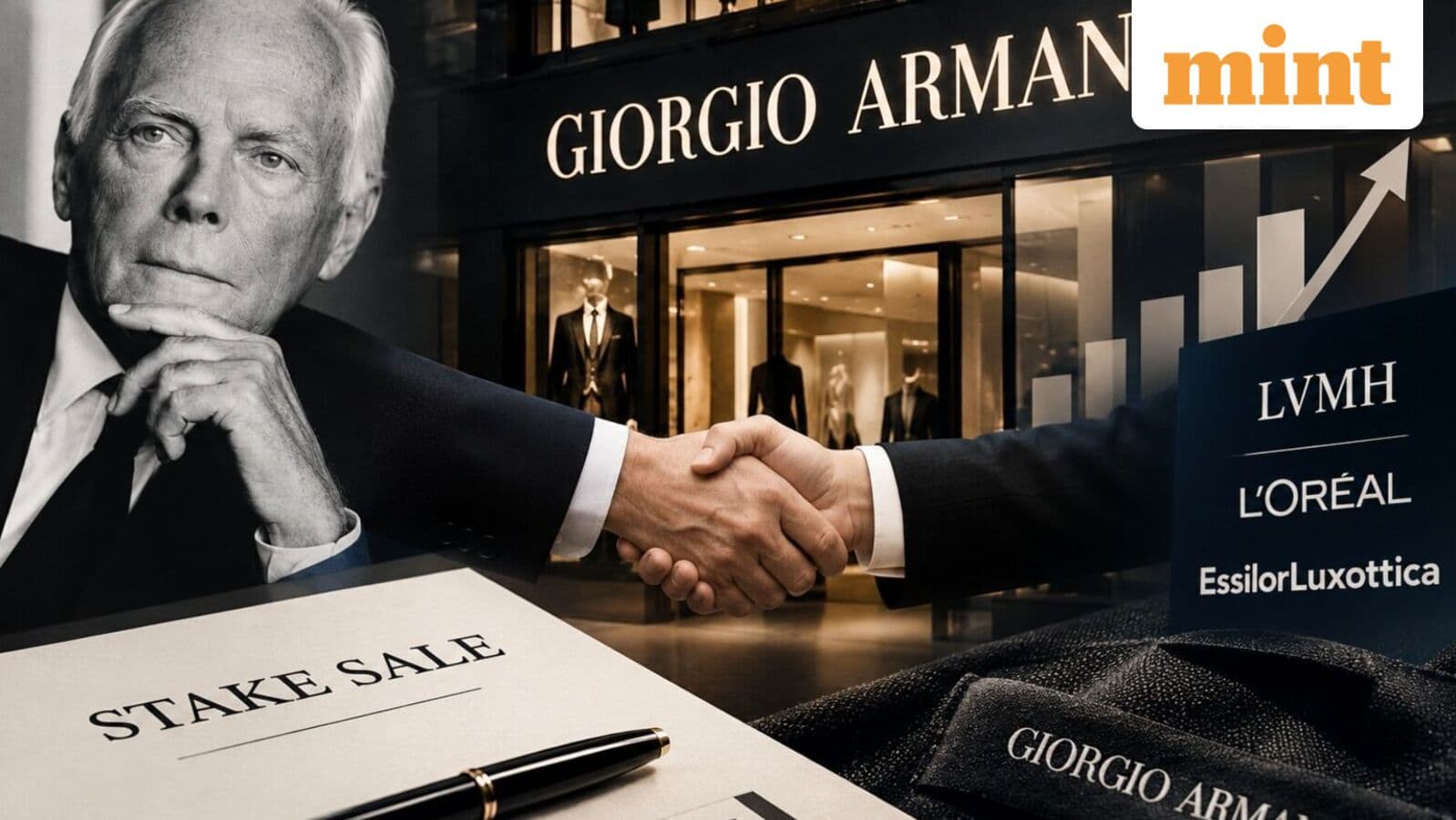
Armani's Heirs Face 18-Month Deadline to Sell 15% Stake, With LVMH, L'Oréal and EssilorLuxottica in the Frame
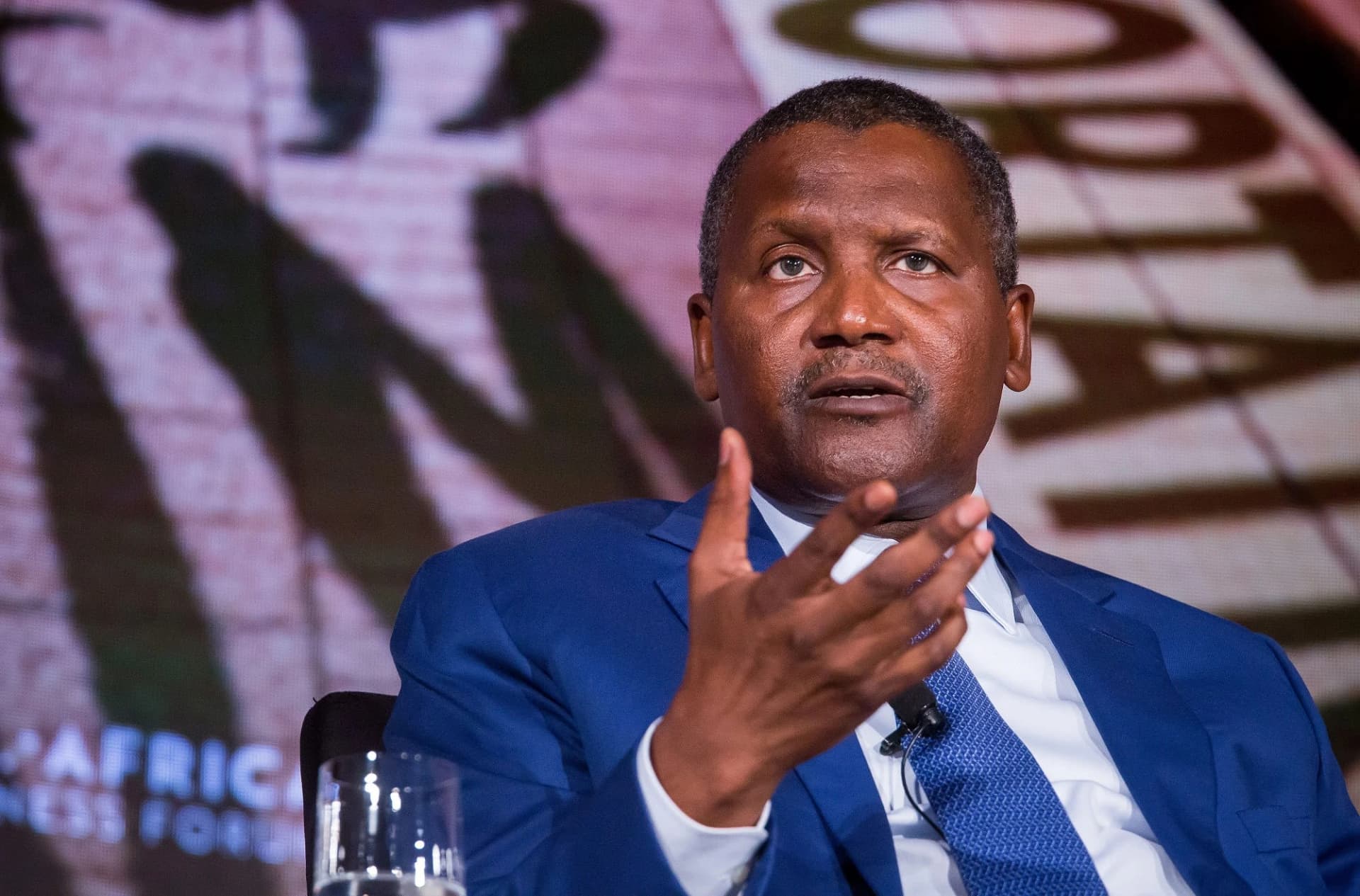
Dangote Group chases $36bn revenue as Ruto tours Lagos refinery ahead of Kenya's $17bn Lamu plant

JLL's Asia-Pacific Capital Markets Chief Says China Property Recovery Hinges on Absorbing New Supply