Tata Sons Faces Governance Fight Over N Chandrasekaran's Third Term as Chairman
A dispute over Article 118 of Tata Sons' articles has put N Chandrasekaran's third term as chairman under scrutiny, exposing a rift with Tata Trusts.
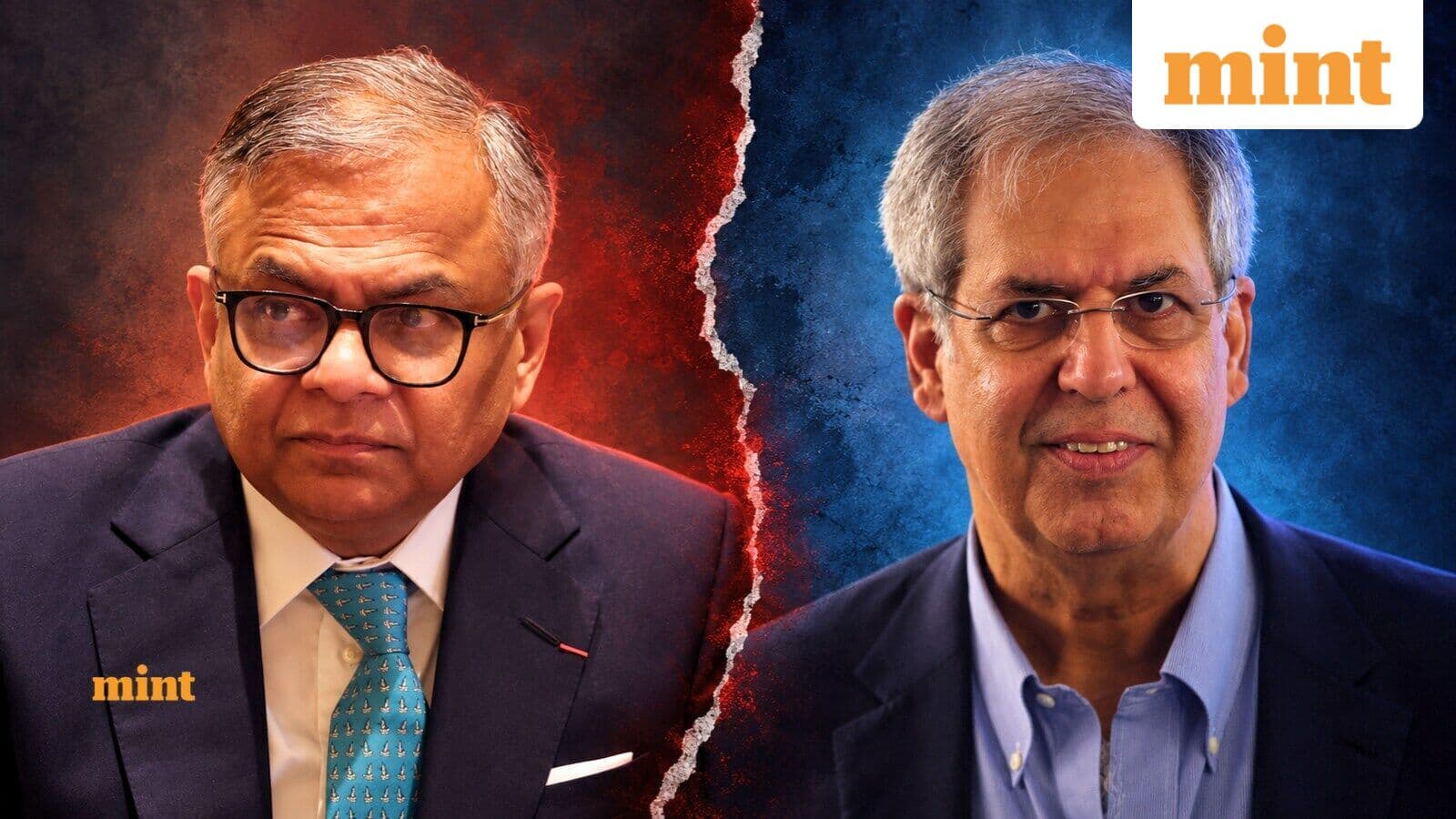
For anyone who tracks Asia's old-money dynasties, the most interesting question in Indian business this month is not what Tata Sons will buy next. It is whether the conglomerate followed its own rulebook when it handed N Chandrasekaran another five years as chairman. The fight is over a clause in a document most outsiders will never read — and it goes to the heart of who really controls the Tata empire.
Tata Sons is the holding company at the centre of the Tata group, the salt-to-software conglomerate built over generations and now spanning steel, cars, airlines and IT services. Its wealth ultimately sits with Tata Trusts, the philanthropic vehicles that own the bulk of Tata Sons and have historically shaped who runs the group. The current dispute centres on the company's Articles of Association, the contract that governs how it selects a chairman and grants executive powers. Article 118 requires a selection committee to recommend a candidate for chairman, and Article 121 requires support from a majority of Tata Trusts' nominees. Article 105 lets the board decide the chairman's pay and management powers. Chandrasekaran's January 2017 appointment and his February 2022 reappointment both explicitly cited Articles 118 and 105. The latest resolution, granting him a term from 21 February 2027 to 20 February 2032, refers only generally to the Articles of Association and names none of them.
That omission is the flashpoint. Tata Trusts chairman Noel Tata argues Article 118 applies to reappointments too, and that no new selection committee was formed for the latest term. The vote at the 17 September meeting was split: Noel opposed the reappointment, fellow Trusts nominee Venu Srinivasan backed it, and Harish Manwani used his casting vote to clear it. Tata Trusts says the required majority among its nominees was missing and considers the decision invalid. Tata Sons has defended its process, citing legal advice. Senior lawyer H P Ranina told Mint that the company cannot break from past practice and needs to explain which articles it relied on. Lawyer Gaurav Pingle said the general wording could give more grounds for challenge, though few provisions of the Companies Act require resolutions to name specific articles.
Why should a reader in Singapore or Hong Kong care? Because Tata Sons is one of the clearest examples in Asia of a conglomerate where ownership and control are not the same thing. The Trusts own the equity; the board and its chairman wield the operating power. When the two disagree over the paperwork that binds them, it is a reminder that family and philanthropic ownership in Asia often rests on documents rather than share registers. India's corporate governance standards are also being tested in public, at a time when global capital is looking closely at how Indian promoters treat minority and institutional stakeholders.
The timing is awkward. India is courting foreign investment in manufacturing, energy transition and digital infrastructure, and the Tata name is one of its most credible calling cards. A public spat between Tata Sons and Tata Trusts over process is not a crisis, but it is a distraction — and it hands ammunition to those who argue that succession at Asia's storied houses remains opaque. Noel Tata's written objection that the process went against the company's articles, and that 2022 meeting records were not presented to the board, sharpens the question of whether the board was fully informed.
The next move will likely be legal or procedural rather than commercial. Watch whether Tata Sons clarifies which articles it relied on, whether the Trusts escalate, and whether the board's casting-vote mechanism survives scrutiny. For Chandrasekaran, the mandate to run the group is not in doubt operationally. The question is whether the paper trail behind it holds. In Asia's wealth circles, that is rarely a detail.