Tata's power shift: Chandrasekaran's exit exposes the family vs professional rift
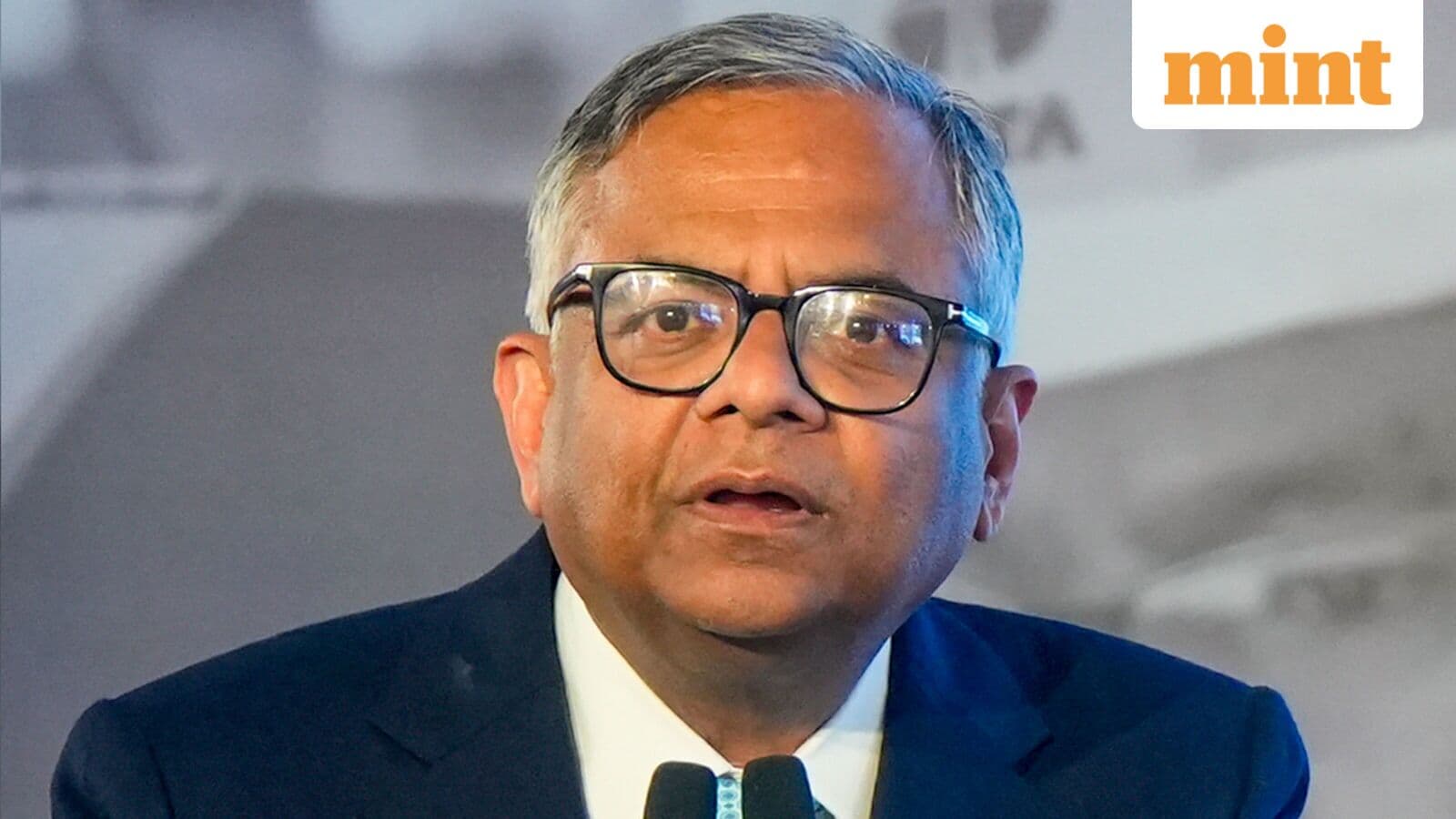
For anyone tracking the quiet mechanics of Asian conglomerates, the news out of Mumbai this week lands like a tremor — not of collapse, but of recalibration. N Chandrasekaran, the man who steered Tata Sons through its most turbulent decade, will step down as chairman in February 2027. The announcement ends a six-month deadlock over his reappointment, but it also lays bare something deeper: the fault line between professional management and family stewardship that runs beneath nearly every great Asian business house.
Chandrasekaran, a career Tata lifer who rose from the ranks of Tata Consultancy Services, has been the face of the group since 2017. Under his watch, the salt-to-software empire navigated Air India's return, the messy fallout of the Cyrus Mistry years, and a global pandemic. The reported friction with Noel Tata — who chairs Tata Trusts, the philanthropic umbrella that controls the group's holding company — centred on strategy, governance, and a possible listing of Tata Sons itself. That last point is the real bombshell: a public listing of the parent would force the group to open its books, dilute the trusts' opaque grip, and invite scrutiny that most old-world conglomerates in Asia would rather avoid.
To outsiders, the Tata name is synonymous with Indian industrial might — steel, cars, tea, software. But the true architecture is less visible. Tata Trusts, led by Noel Tata after his half-brother Ratan Tata's death in 2024, holds roughly two-thirds of Tata Sons' equity. This structure has long allowed the family to exercise control without public markets, a model that has preserved legacy but also bred criticism over accountability. Chandrasekaran's insistence on professionalising further — including a possible listing — would have chafed against the trusts' preference for quiet continuity. The six-month standoff was never just about one man's contract; it was a referendum on how much sunlight a 150-year-old institution can tolerate.
For the wider Asian wealth landscape, this is a familiar script with a new actor. From Japan's keiretsu to South Korea's chaebols, the tension between family control and professional capital is eternal. What makes Tata's case distinct is the scale of philanthropy: the trusts fund cancer hospitals, education, and rural development across India. A listing would not just enrich shareholders — it would force the trusts to answer to minority investors, potentially reshaping how Indian philanthropy is funded and governed. That is why this story matters beyond the boardroom. It signals that even Asia's most venerated family trusts are not immune to the modern pressures of transparency, succession, and generational change.
What happens next is the open question. Chandrasekaran's departure in 2027 gives the group two years to find a successor — likely another professional, but one who can work with Noel Tata's vision. The deadlock has already sent a message to global investors: the era of the all-powerful CEO is yielding to a more collaborative, trust-driven model. For those who track capital flows in Asia, the lesson is clear. The next decade will not be defined by who builds the biggest factory or the flashiest app, but by who resolves the oldest conflict — family legacy versus managerial autonomy. Tata's quiet struggle is the region's loudest signal yet that the old guard is learning to share power, one uncomfortable compromise at a time.