Preply's $150M bet: Can human tutors outlearn Duolingo in Latin America?
Preply raises $150M at $1.2B valuation, targeting Mexico and Latin America with AI-assisted human tutoring.
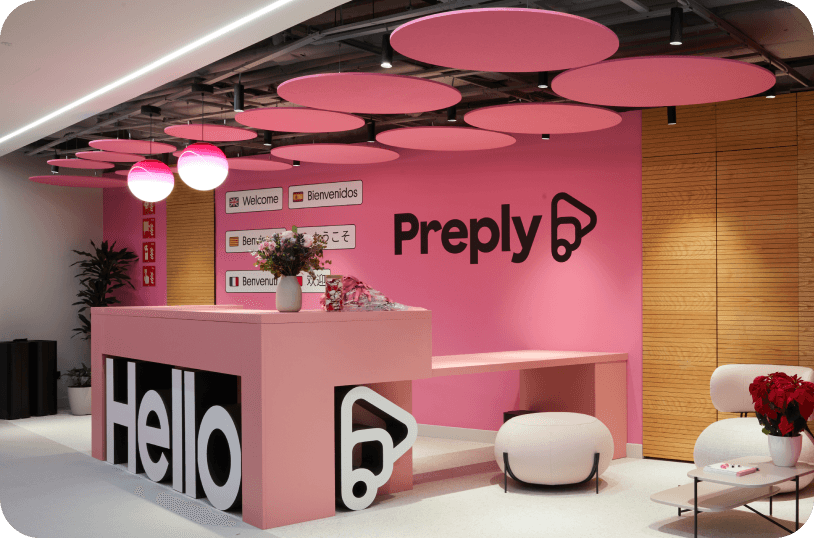
The unicorn stampede through Latin America's edtech savannah just got louder. Preply, the Kiev-born language learning platform that pairs flesh-and-blood tutors with AI sidekicks, has closed a $150 million Series D round led by WestCap, the New York investment shop that manages over $6 billion. Goldman Sachs International shepherded the deal, and the fresh capital plants Preply's valuation firmly at $1.2 billion. For a company that started in a Ukrainian apartment in 2012, that number is the real trophy. But the bigger story is where the money is headed: Mexico, and by extension, the rest of the region where language learning has become a middle-class obsession.
The mechanics are straightforward. Preply connects over 100,000 tutors with students across 180 countries, offering one-on-one lessons in more than 90 languages. Its pitch is a hybrid model: human instruction boosted by AI-powered co-pilots that handle scheduling, lesson planning, and real-time feedback. Since its Series C round, the company has tripled its tutor base and added 40 new languages. It also crossed into EBITDA profitability in the last twelve months, a quiet but significant milestone for an edtech that competes in a market where scale often means burning cash. The company now runs offices in Barcelona, London, New York, and its native Kiev, though its Latin American operations are almost entirely remote.
Mexico is the pivot point. Company spokespeople describe it as strategically important, a market that has been part of Preply's user base since the early days of international expansion, thanks to its fully digital nature. That makes sense: Mexico has a young, mobile-first population, a growing professional class that sees English as a career accelerant, and a patchy public education system that pushes families toward private alternatives. Preply says it will use the new capital to consolidate growth in key markets, strengthen its tutor community, and roll out new tech tools. Latin America, broadly, remains on the radar for expansion, though the company is coy about specifics.
The competitive landscape is brutal and instructive. Duolingo, the gamified app co-founded by Guatemalan Luis von Ahn, has 120 million monthly active users and has grown over 30% year-on-year. It went public in 2021, shedding its unicorn label for the stock market. Then there's Open English, founded in Venezuela by Andrés Moreno in 2007, which serves around 3 million users with 24/7 live classes from native teachers. Preply's answer to these rivals is a deliberate counter-position: while Duolingo leans into automation and bite-sized gamification, Preply insists that human connection remains the core of effective learning. A 2025 study it commissioned with LeanLab Education found that 96% of students say real conversations with a human tutor are essential to progress, and 97% credit those interactions with boosting their confidence.
That data point is more than marketing. It reflects a broader shift in how South American wealth is being spent on education. Families in Mexico, Colombia, and Brazil are increasingly willing to pay premium prices for personalized learning, not just app subscriptions. The global direct-to-consumer language learning market is projected to hit $227 billion by 2035, according to HolonIQ, having already tripled in the last five years. That trajectory explains why investors like WestCap are willing to write nine-figure checks into a sector that once seemed too fragmented to matter. Preply's bet is that the region's appetite for human-led, tech-enhanced education will only grow as remote work and cross-border business make language skills a hard currency.
For the South American reader who tracks capital flows, Preply's move signals something specific: the region is no longer just a testing ground for edtech, it is a core market. The company's remote-first model means it can scale without heavy local infrastructure, and Mexico serves as a gateway to the broader Spanish-speaking world. The challenge is sustaining growth against Duolingo's relentless user acquisition and Open English's entrenched presence. But Preply has a different weapon: the tutor. In an economy where gig work is often precarious, Preply offers a platform for thousands of Latin American teachers to earn income, which builds local loyalty that algorithms cannot replicate. The coming years will test whether that human touch, augmented by AI, can outpace the gamified convenience of a free app. For now, the money says it can.