Norfolk Metals Bets Its Future on Chile Copper With New Board and A$120m War Chest
Norfolk Metals reshuffles board, appoints Anthony McClure and Richard Pugh, and targets a US$50m Chilean copper acquisition with a A$100–120m raise.
Norfolk Metals has just made the kind of move that turns a junior explorer into a story worth following. The ASX-listed company has installed a new leadership team and pointed its entire corporate strategy at a single, high-grade copper asset in northern Chile — a pivot that will be watched closely by anyone tracking where Australian capital is flowing in global resources.
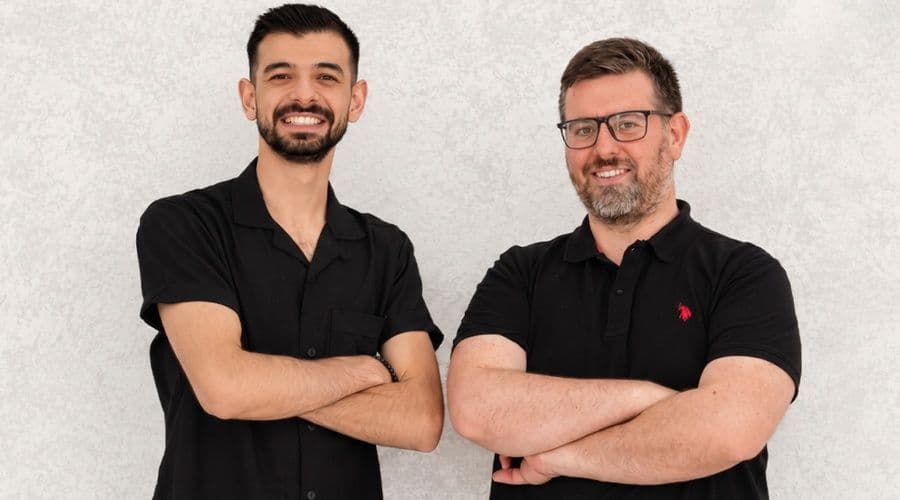
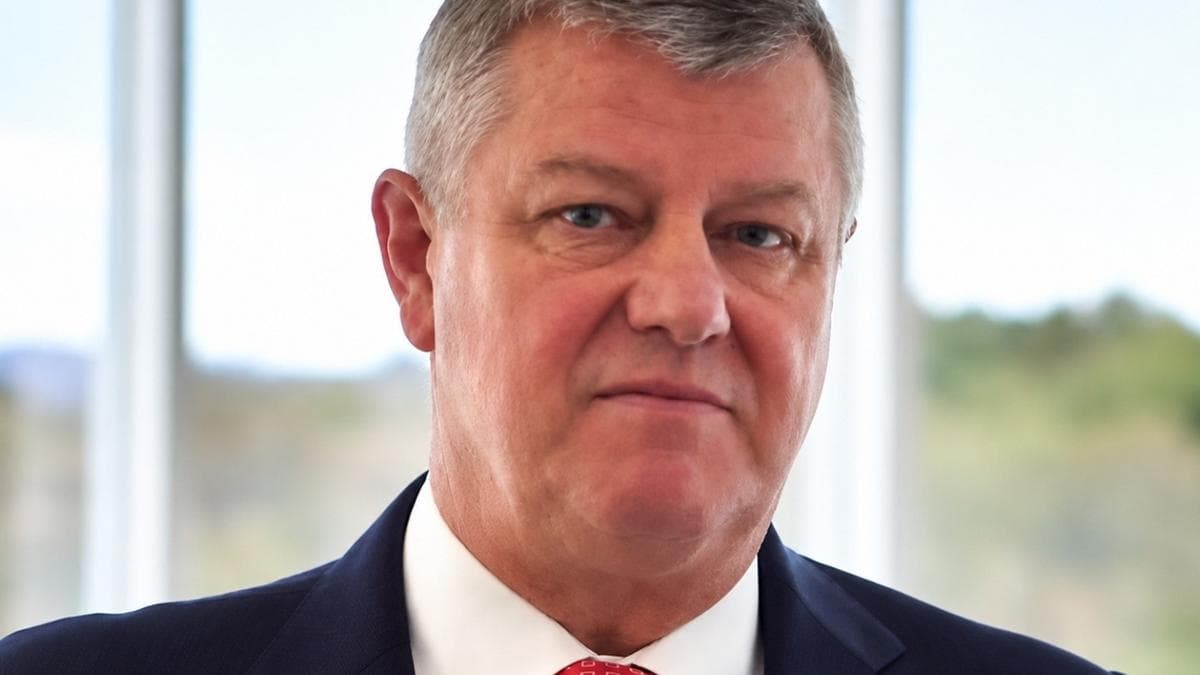
The boardroom overhaul is immediate. Anthony McClure, a Macquarie University geology graduate with more than 35 years across the global resources sector, takes over as executive chairman. He is joined by Richard Pugh, a Cardiff-trained geologist with over 18 years of experience and current chief executive of Gateway Mining, as a non-executive director. Both men have prior board experience at Strickland Metals, among other companies. They sit alongside existing non-executive director Leonardo Pilapil, following the departure of Ben Phillips, who had been a director since July 2021.
For readers outside Australia, the names matter less than the signal. Norfolk is a small-cap explorer that has decided to stop spreading itself thin. It has let its Roger River licence in Tasmania expire, leaving it with no ground in that state, and its Orroroo uranium project in South Australia is now considered non-core — under review for a joint venture or sale. The new focus is Chile, and specifically the Ciclón copper project. Norfolk has proposed a “transformational” acquisition of Ciclón for US$45 million (A$67.5 million) in cash and US$5 million (A$7.5 million) in shares. To fund that deal and the exploration to follow, the company plans to raise between A$100 million and A$120 million. The numbers are ambitious for a company of its size, but the asset is the reason.
Ciclón sits in Chile’s Domeyko Cordillera copper belt, the same geological address as Collahuasi, Chuquicamata and La Escondida — three of the world’s largest copper mines. The project hosts a JORC-compliant resource of 11.8 million tonnes grading 2.88 per cent copper equivalent, split into 8 million tonnes indicated at 2.93 per cent and 3.8 million tonnes inferred at 2.80 per cent. It is polymetallic, with credits in copper, zinc, lead, silver and gold. Crucially, it is advanced: more than 40,000 metres of historical drilling, a 2021 feasibility study, and permits for three underground mining operations, plus a processing plant and tailings facilities. This is not a greenfield gamble; it is a brownfields project with a paper trail.
Norfolk also holds the Carmen copper project in Chile’s Atacama region, where maiden drilling last year returned a 53-metre intercept grading 1.1 per cent copper from 62 metres. Carmen offers a dual-track opportunity — a near-surface oxide blanket that could suit heap-leach processing, and deeper sulphide potential. Once the Ciclón deal closes, management plans a 53,000-metre drill campaign across its Chilean portfolio. The corporate team has been strengthened too, with solicitor Sleiman Majdoub appointed joint company secretary alongside Arron Canicais.
What does this say about Oceania wealth and capital? It shows that even small Australian explorers are willing to shed legacy assets and chase high-grade copper in South America, where the geological odds are better and the permitting path, while complex, is at least established. Chile is not a new frontier for Australian miners, but it is a magnet for those who want scale. Norfolk’s success will depend on filling its war chest — the A$100–120 million raise is the immediate test. If it lands, the company will have the leadership, the asset and the drill plan to matter. If it doesn’t, the pivot will be remembered as a bold idea that ran out of cash. For now, the board has charted the course. The market will decide whether to follow.