Nigerian Breweries and Nestlé Nigeria stage a Naira-crisis comeback
Nigerian Breweries and Nestlé Nigeria return to profit after the Naira crisis, with Q1 2026 momentum and slashed debt attracting investors.
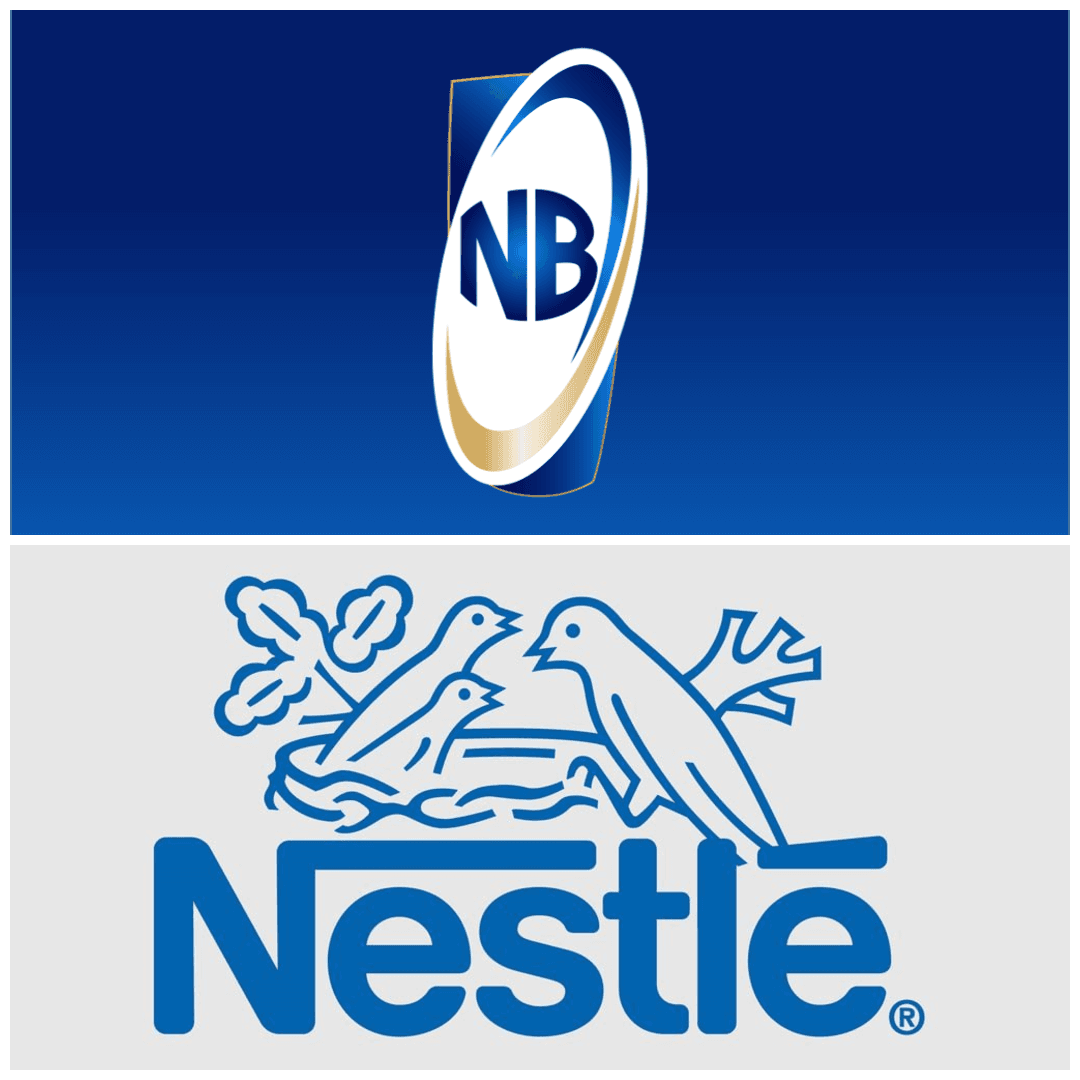
For two years, the Naira’s collapse turned Nigeria’s most beloved consumer brands into loss machines, not because Nigerians stopped buying beer and Maggi cubes, but because the currency math simply did not work. Now the ledger has flipped. Nigerian Breweries Plc and Nestlé Nigeria Plc, both listed on the Nigerian Exchange, have published audited 2025 results that show a dramatic return to profitability, and the first quarter of 2026 suggests this is not a one-off bounce but a genuine reset.
The numbers tell a story of whiplash. Nigerian Breweries swung from a N145 billion loss in 2024 to a N99 billion profit after tax in 2025, and then posted N55.9 billion in Q1 2026 alone — a 26% jump year-on-year and more than half of its entire 2025 profit in a single quarter. Nestlé Nigeria mirrored the move, flipping from a N164.6 billion loss in 2024 to a N104.97 billion profit in 2025. The engine of this turnaround is simple: foreign exchange losses have vanished, and both companies have aggressively paid down debt. Nigerian Breweries slashed total borrowings from N341.6 billion in 2023 to N59.7 billion by the end of 2025, and down to N56.1 billion by Q1 2026. That deleveraging, plus zero FX losses, has crushed finance costs and let the underlying consumer demand — which never actually disappeared — finally show up as profit.
For outsiders, the scale of this crisis needs context. These are not marginal players. Nigerian Breweries, controlled by Heineken, owns the country’s iconic beer brands, while Nestlé Nigeria produces staple foods like Maggi and Milo that sit in virtually every kitchen in the country. Demand for their products stayed resilient through the storm; the problem was that they had to import raw materials and service dollar-denominated debts while the Naira lost roughly two-thirds of its value against the dollar in 2023 and 2024. That mismatch wiped out profits, forced both companies to suspend dividends after the 2022 financial year, and left investors staring at accumulated losses. The recovery, then, is not about new products or market share gains — it is about the balance sheet healing as the currency stabilizes and borrowing costs fall.
What does this signal for capital in Africa’s largest economy? First, it shows that currency shocks, however brutal, can be survivable for companies with genuine pricing power and strong brand loyalty. Both firms kept selling products through the crisis; they just could not convert revenue into earnings. Now that the Naira has found some footing, the operating leverage is working in their favor. Second, the market is repricing these stocks from distressed assets to growth stories. The share prices have recovered significantly, and with 12-month trailing earnings per share now positive, investors are looking at forward multiples rather than liquidation scenarios. Technical indicators like the Relative Strength Index suggest neither stock is overbought, meaning the rally may have room to run before any correction.
But sustainability is the open question. The recovery depends on the Naira holding its ground, interest rates staying manageable, and the companies resisting the temptation to re-leverage. If Nigeria’s currency comes under pressure again, the same mechanism that produced these profits could reverse just as quickly. For now, though, the signal to international investors is clear: after two years of pain, Nigeria’s consumer giants are back in the game, and the market is rewarding discipline. The real test will be whether they can maintain this momentum through 2026 without the tailwind of a stabilizing currency — and whether they finally resume the dividends that long-term shareholders have been waiting for since 2022. For those who held through the crash, the patience is starting to pay off. For those watching from the sidelines, the question is no longer whether these companies survived, but how much of the comeback is already priced in.