Nigeria's SWOOT stocks turned N10m into N26m in eight months — here's what that says about Lagos money
Four NGX giants — Aradel, HBM, Airtel Africa, First HoldCo — delivered 161% gains in 2026, outpacing the index and reshaping how Africa's rich think about local equity.
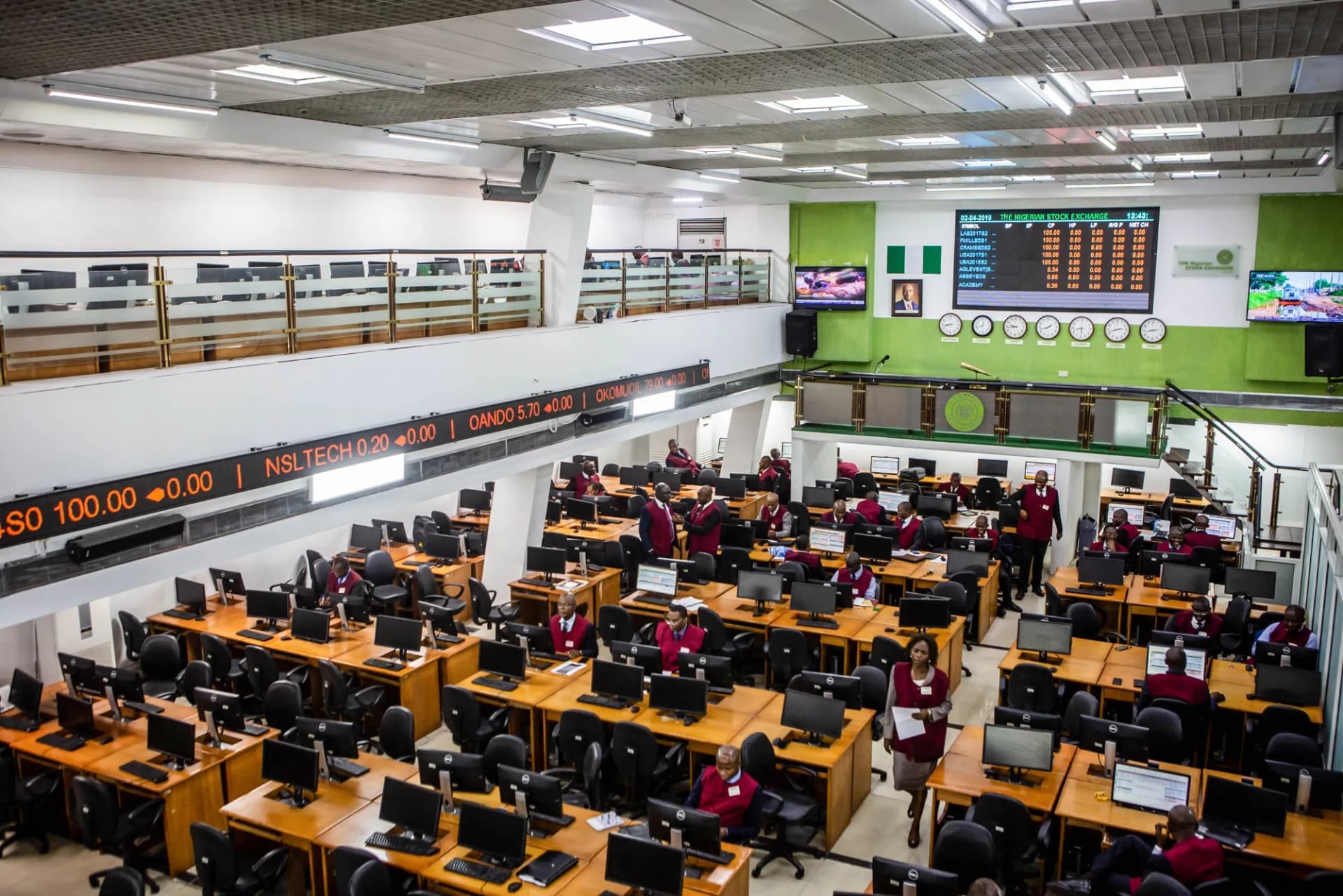
For anyone who tracks capital in Africa, the numbers coming out of Lagos this month are the kind that make London fund managers squint. Take ten million naira at the start of 2026, spread it equally across four of Nigeria's biggest listed companies — the so-called SWOOT stocks, those with market values above one trillion naira — and by mid-August you would be sitting on roughly 26.15 million naira. That is a 161.5% capital gain in less than eight months, with dividends, fees and taxes stripped out of the math. The broader Nigerian Exchange All-Share Index rose 56% over the same stretch, which means these four names more than doubled the market's already impressive run.
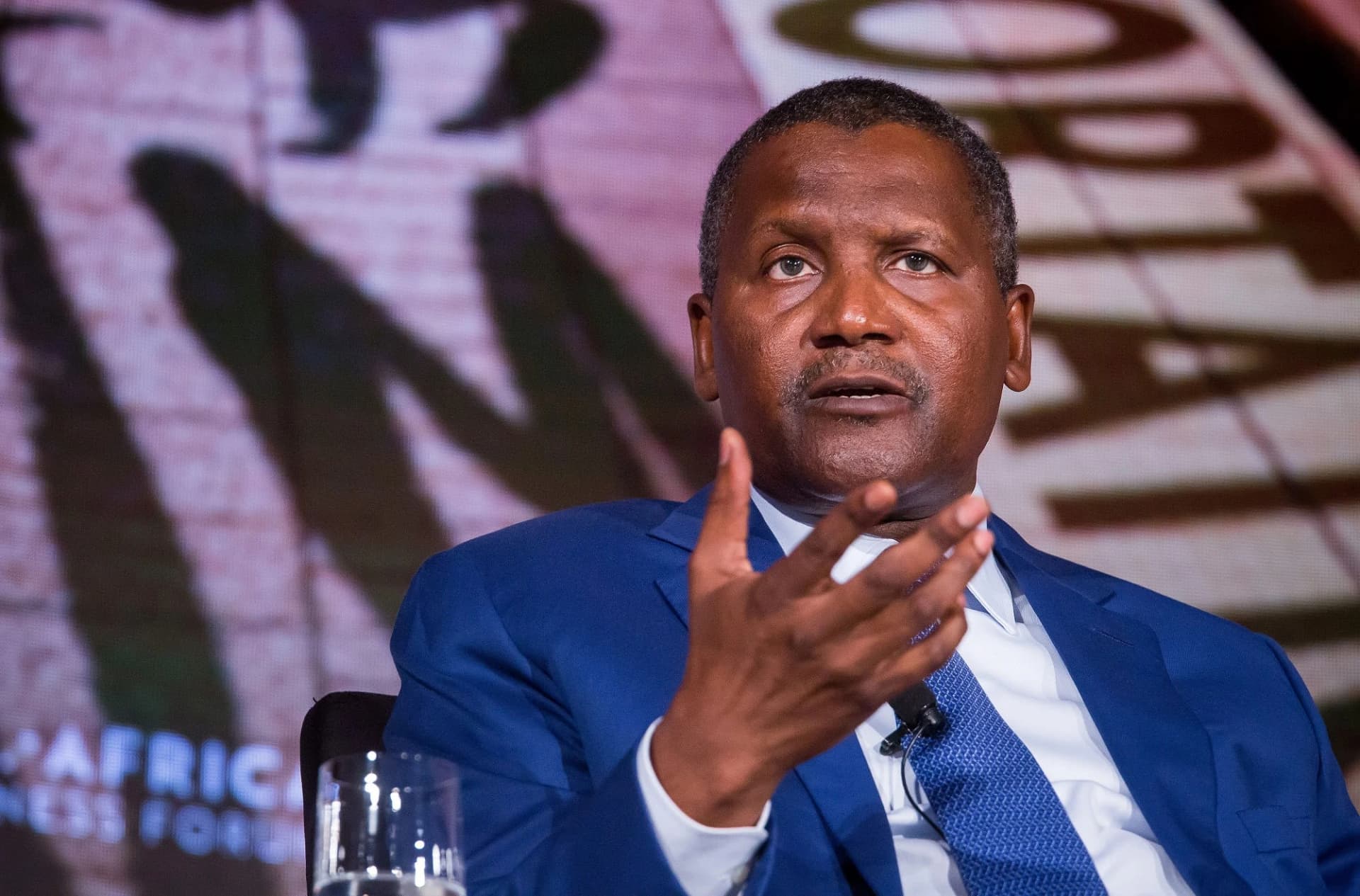
The quartet is a study in how different engines of the Nigerian economy are firing at once. Aradel Holdings, an indigenous oil and gas player, rode the energy rally to a 127.9% gain, its share price climbing from 670 naira to 1,526.80 naira. HBM Nigeria — the rebranded Lafarge Africa, a cement and industrial goods heavyweight — jumped 148.3% after a strategic repositioning that investors clearly rewarded. Airtel Africa, the telecom giant with a pan-African footprint, surged 177.5%, its high-priced shares amplifying returns for those who could get in. And the standout was First HoldCo, the financial services group chaired by billionaire Femi Otedola, which nearly tripled, up 192.3% from 47.90 naira to 140 naira. Otedola's own share purchases during the period — insider accumulation by the chairman himself — sent a signal that those closest to the business saw more upside ahead.
What an outsider might miss is how much context sits behind these tickers. SWOOT is a Nigerian market nickname, a badge of scale and stability in a bourse that has long been volatile and thin. These are not speculative juniors; they are the country's blue chips, the kind of names institutional investors use as anchors. The fact that they moved this hard, this fast, says something about the liquidity and confidence returning to Lagos equity markets after years of currency turmoil and policy uncertainty. The naira's own trajectory matters too — when the currency stabilises and oil production expands, as it has in 2026, the local bourse becomes a magnet for both domestic savers and diaspora money looking for yield that Western markets simply cannot offer.
The more subtle lesson is about scale. The percentage return is identical whether you invested ten million or one million naira — 161.5% either way. But the absolute outcome is ten times larger for the bigger investor: 16.15 million naira in profit versus 1.61 million. That is the arithmetic of wealth concentration, and it is playing out across Africa's largest economy. Those with capital to deploy are compounding at a rate that widens the gap between the asset-owning class and everyone else. It also underscores why Nigeria's wealthy are increasingly looking homeward rather than stashing cash in dollar assets abroad — the local market, for all its risks, is delivering returns that hard currency accounts cannot match.
What comes next is the question. The mid-year correction that hit energy stocks, including Aradel, shows the ride is not smooth. But the underlying drivers — expanded oil and gas output, a repositioned industrial giant, a telecom operator with continental reach, and a financial group whose chairman is betting his own money — suggest these gains are not pure froth. For the international reader, the takeaway is simple: Nigerian equities have re-emerged as one of the most aggressive wealth-building vehicles on the continent, and the SWOOT club is where the action is. Whether the rally holds into 2027 depends on oil prices, currency stability and corporate earnings delivery, but for now, the smart money in Lagos is not looking back.