Nigeria's N4.93 trillion OMO frenzy shows why cash is chasing the CBN's 20% promise
Nigeria's OMO auction drew N4.93 trillion in bids for N600 billion on offer, as investors pile into 20% risk-free yields.
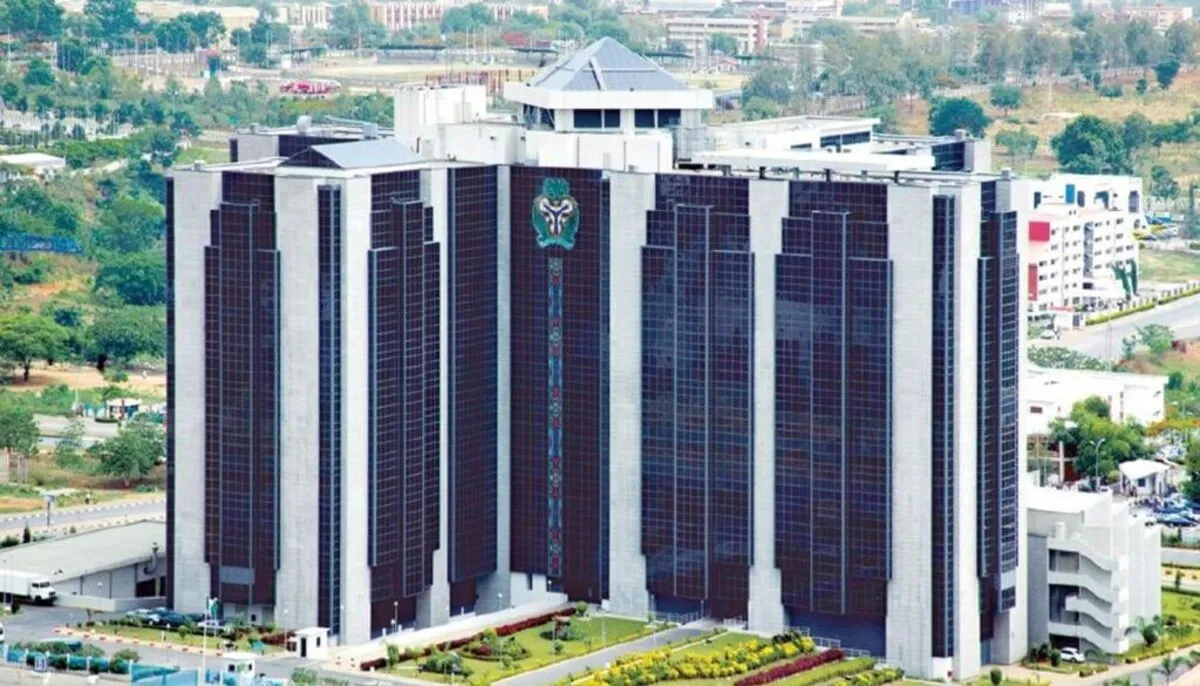
In Lagos trading rooms and Lagos-adjacent WhatsApp groups, there is one number doing all the talking this week: 20.4. That is the stop rate on the Central Bank of Nigeria's latest Open Market Operation bills, and it has summoned a wall of cash that would make most emerging-market finance ministers weep with envy. When the CBN opened its auction on Thursday, August 13, 2026, it offered just N600 billion across two short-dated tenors. It received N4.93 trillion in subscriptions — more than eight times what it was willing to sell. This is not a niche arbitrage. It is the defining feature of Nigeria's money market in 2026, and it tells you everything about where capital in Africa's largest economy wants to live right now.
The mechanics, per the central bank's own auction data, are worth sitting with. The 103-day bill, maturing November 24, 2026, pulled in N1.268 trillion in bids against a N300 billion offer — an oversubscription of over 4.2 times. The CBN allotted N450 billion of it, with bid rates ranging from 19.90% to 20.46% and a stop rate of 20.39%. The longer 138-day paper drew even more demand and cleared at a slightly lower stop rate, a quirk that signals investors are not just chasing the top line but are comfortable locking in for an extra month. In total, the bank allotted N2.60 trillion — more than four times the original offer — after weeks of aggressive mop-up activity followed by a massive liquidity injection. The voracious appetite has become the norm all year: big demand, bigger allotments, and no sign of a cooling-off.
For an outsider, the context matters. The CBN is not just selling debt; it is trying to sterilise a banking system that was recently flooded with cash. Just a week before this auction, the central bank pumped a net N5.21 trillion into the system, including a single N2.48 trillion OMO repayment on August 11. That kind of liquidity is dangerous in an economy with a history of currency pressure and inflation, so the CBN's answer has been to offer a risk-free yield that is simply too good to ignore. The result is a self-reinforcing loop: the more money the CBN injects, the more it must soak up, and the more attractive its bills become. The roughly 400-basis-point gap between OMO yields and comparable Treasury Bill returns is expected to narrow over time, but for now, the OMO is the star of the fixed-income show.
What makes this particularly striking is who is now allowed to play. OMO bills were once the preserve of institutional giants, but the CBN has opened the door to retail investors through their banks. That means the 20% yield is no longer abstract — it is available to anyone with a bank account and a willingness to park cash for 103 or 138 days. In a country where real returns on savings have been brutally negative for years, this is a sea change. The demand is not just from pension funds and foreign portfolio investors; it is from middle-class Nigerians who have learned that the safest place for their naira is, ironically, the central bank itself. That is a powerful signal about the state of private-sector credit and the risk appetite of the broader economy.
For the wider African wealth story, Nigeria is once again the outlier that sets the tone. Across the continent, central banks are grappling with how to manage liquidity without choking growth, but few have embraced the sterilisation-by-yield model as aggressively as Abuja. The N4.93 trillion bid is a reminder that even in a high-rate environment, there is no shortage of capital — only a shortage of places to put it that offer both safety and return. The CBN's challenge is that this strategy works almost too well: it attracts money that might otherwise fund real-economy projects, and it keeps the naira's carry trade alive. The forward question is not whether the CBN can keep selling these bills — it clearly can — but whether it can ever wean the market off a 20% habit without triggering a stampede. For now, the crowd is still rushing in, and the only safe bet is that next month's auction will be just as crowded.