Microsoft's $190B AI Bet Ripples South: What It Means for the Region's Tech Capital
Microsoft's $190B AI investment and Frontier Partner push signal new opportunities for South American tech firms and capital flows.
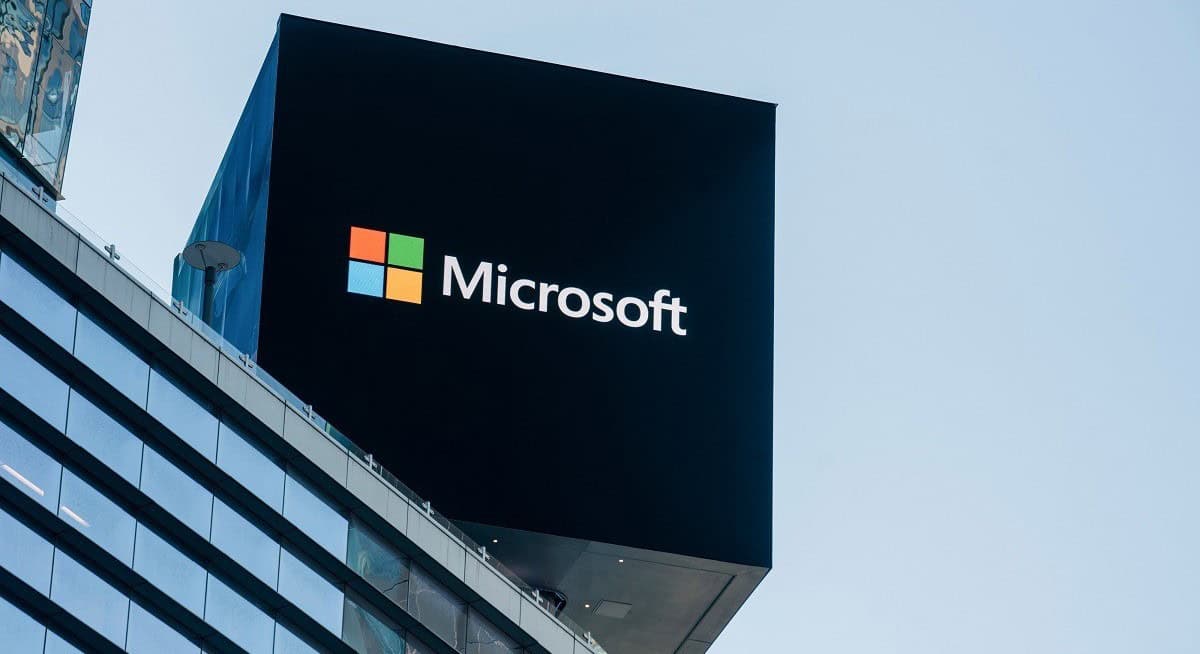
For anyone tracking where South American capital is heading next, the most important number of the week wasn't printed in any local financial paper. It was Microsoft's announcement of a $190 billion commitment to artificial intelligence infrastructure, model development, and applications. That's not a rounding error. It's a declaration that the world's most valuable software company is betting its next decade on machines that think, and it's a bet that will inevitably pull capital, talent, and partnerships from every corner of the globe — including this one.
The core facts are stark. Microsoft holds roughly $78 billion in cash, even as its shares wobble on market jitters. The company plans to pour that war chest into building out AI's backbone: data centers, new models, and the kind of enterprise tools that make Copilot and Azure indispensable. But the money alone isn't the story. The strategy hinges on an ecosystem of partners, and that's where South American firms should pay close attention. Microsoft has already anointed Sonata Software as one of its first "Frontier Partners," a designation that signals deep integration with the company's AI roadmap. Sonata's CTO, Manu Swami, put it plainly: success in this phase depends on partner ecosystems that combine AI innovation, cloud modernization, and industry expertise.
Here's the local context most outsiders miss. South America's tech sector has long been a consumer of global innovation rather than a co-creator. Brazilian banks, Chilean miners, and Colombian retailers run on Azure and AWS, but they rarely shape the platforms themselves. Microsoft's pivot to an "agent-centric world" — where AI systems reason, plan, and act autonomously — changes that calculus. For regional software houses, system integrators, and cloud consultancies, the Frontier Partner model is an invitation to move up the value chain. Sonata's example is telling: at one financial client, it cut manual workload by 50% to 70% and accelerated response times fourfold. That's the kind of measurable outcome that attracts both enterprise budgets and venture capital.
This matters for wealth in South America because the region's fortunes are still disproportionately tied to commodities and consumer staples. A handful of tech unicorns exist — in fintech, logistics, and e-commerce — but deep-tech infrastructure investment has lagged. Microsoft's $190 billion is a tide that can lift regional boats, but only for those positioned to catch it. The company is also strengthening hardware alliances, linking NVIDIA's chips to Azure and Windows devices, and deepening ties with networking suppliers like Broadcom. That means the physical layer of AI — data centers, connectivity, edge computing — is being built now, and South American countries with stable energy grids and favorable data residency laws could attract a slice of that buildout.
The signal for investors is clear. Microsoft is not just hedging its own future; it's creating a multiplier effect for partners who can translate AI investment into operational reality. As CEO Satya Nadella outlined at the Build event in San Francisco, the industry's success metric is shifting from clicks to intelligence. For South American businesses, that shift means the competitive advantage will no longer come from cheap labor or abundant resources, but from the ability to deploy AI agents that actually deliver outcomes. Companies that align early with Microsoft's ecosystem — or build their own agent-based offerings — could see valuations rerated quickly as global capital searches for AI exposure beyond the usual Silicon Valley names.
Looking ahead, the next two years will separate the region's tech players into two camps: those who treat AI as a buzzword and those who treat it as infrastructure. The latter group will be the one attracting foreign investment, talent, and premium multiples. Microsoft's bet is a massive one, but it's also a signal that the AI race is no longer just about chatbots. It's about building the operational fabric of the future economy, and South American capital — whether sovereign funds, family offices, or venture firms — would be wise to study which local partners are positioned to plug into that fabric. The window is open, but it won't stay open forever.