Jindal Steel picks niche over scale as Sharma returns to steady the ship
Jindal Steel targets 21 mt by 2032, betting on specialised grades and internal leadership under returning MD V.R. Sharma.
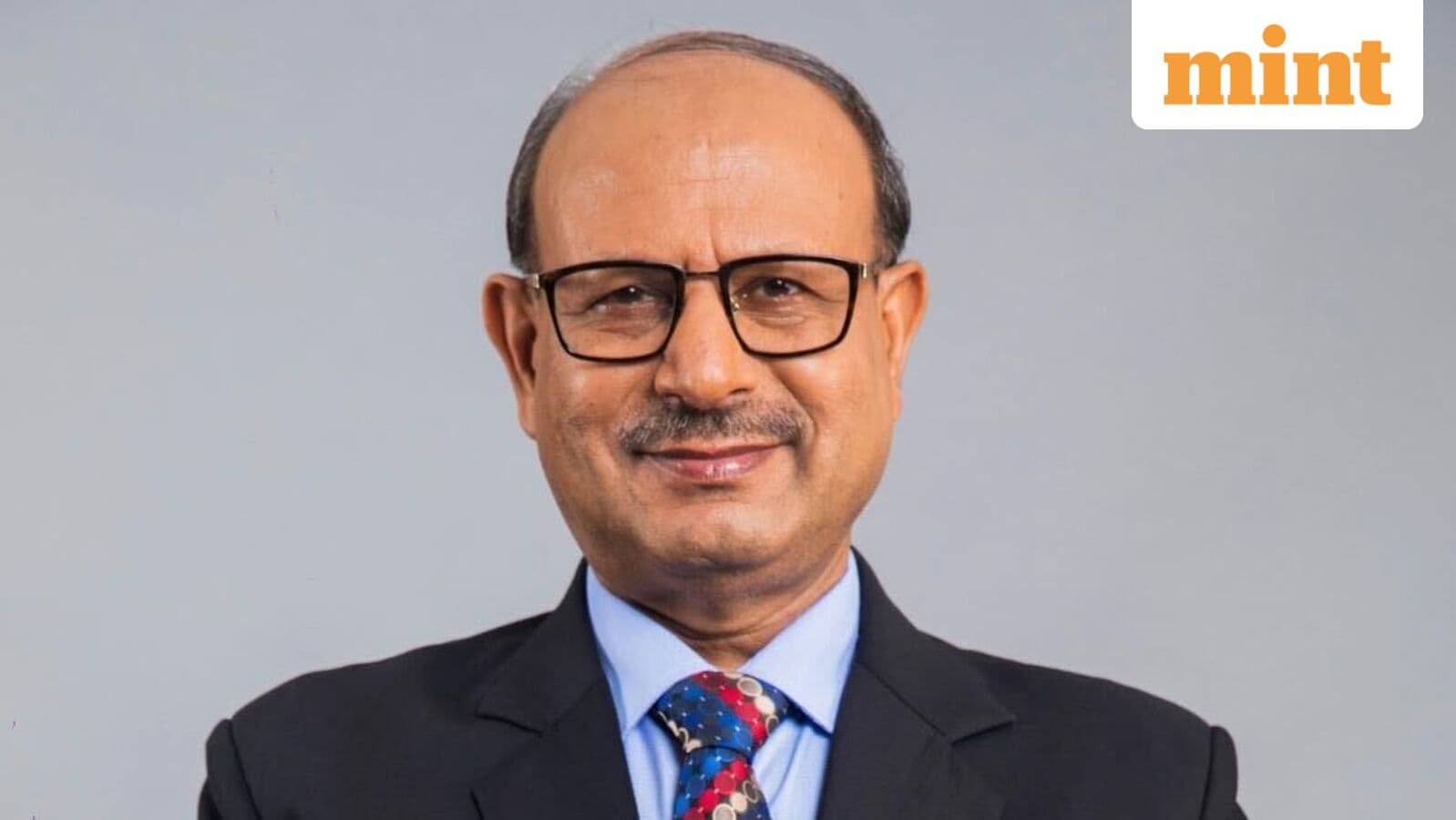
For anyone tracking the great Indian steel race, the most interesting number out of New Delhi this week was not the 100 million tonnes that the Jindal brothers collectively promise by 2030. It was the quieter, almost defiant figure of 21 million tonnes — the capacity target that Jindal Steel's returning managing director, V.R. Sharma, has set for 2032. In a country where rivals are swinging for the fences, Sharma is signalling that his company would rather be a precision player than a volume junkie. That is not a stance you often hear in an industry built on blast furnaces and bravado.
Sharma, who has taken the helm at the Naveen Jindal-led steelmaker, laid out the plan on the sidelines of the Metalogic conference: grow from roughly 15.6 million tonnes per annum of total capacity — about 12 million tonnes operational today — to around 21 million tonnes, but only if iron ore, coal, logistics and market conditions cooperate. The expansion will lean heavily on specialised steel for nuclear power plants and shipping, not generic rebar. The company has spent a year developing these grades with IITs, research scientists and overseas experts, and the new capacity will come up at its Angul plant in Odisha. Sharma was blunt that Jindal Steel is not in a race to add millions of tonnes for their own sake.
The local context matters here. This is the Jindal family, one of India's most storied industrial dynasties, split into two empires. Sajjan Jindal runs JSW Steel, which is chasing a staggering 80 million tonnes by 2030. Naveen Jindal's Jindal Steel is the smaller, scrappier cousin, and the two brothers together already hold about 51 million tonnes of installed capacity — nearly a quarter of India's 220 million tonnes. The country wants to hit 300 million tonnes by the decade's end, and the Jindals are meant to supply a third of that. But Sharma's message is that size alone is a hollow victory. He is also returning to a company that has seen several senior-level changes in recent years, and his priority is stability — building a leadership pipeline from within, with around 2,000 employees from AGM to vice-president level identified as the core pool, and 20 people groomed for top roles.
There is a deeper signal here about how capital is moving in Asia's third-largest economy. For years, Indian steelmakers treated captive mines as the ultimate security blanket. Tata Steel sources all its iron ore from its own mines, and JSW wants at least half of its requirement captive. Jindal Steel, by contrast, is openly comfortable buying 70% of its raw materials from state-run Odisha Mining Corporation and NMDC, and would even go to 100% market purchases if the economics of auctioning mines turn ugly. Sharma's philosophy is 'earn and invest' — no debt-heavy balance sheets, no bidding wars for assets that don't pay back. That is a refreshingly conservative stance in a sector where ego often trumps EBITDA, and it may prove smarter than the scramble for captive supply as India's mining auctions heat up from 2030.
For international readers watching Asian wealth, this is a family business choosing durability over dominance. Naveen Jindal is a billionaire who has diversified into power, infrastructure and even sports, but steel remains the core. By refusing to chase volume at any cost, Sharma is effectively betting that India's steel demand — driven by infrastructure, defence, and now nuclear and shipbuilding — will reward quality over quantity. The company has already spent a year building the technical chops for specialised grades, and the Angul plant will be the test bed. If it works, Jindal Steel becomes the niche player that global investors can trust for margins, not just tonnes.
The next few years will tell whether this measured approach is a masterstroke or a missed opportunity. With Tata and JSW charging ahead, Jindal Steel risks being left behind in the headlines. But Sharma seems unbothered. His focus is on building a company that can survive a downturn, pay its own way, and promote from within — a leadership model that is rare in India's promoter-driven conglomerates. For anyone who believes that the real test of Asian capitalism is not how fast you grow, but how long you last, Jindal Steel's 21-million-tonne promise is the quiet story worth watching.