Izunaso Presses SEC on Tokenisation Rules as Nigeria's Capital Market Hunts for Scale
Senator Osita Izunaso is pushing the SEC to finalise tokenisation rules, warning Nigeria risks losing deals as it targets a N750 trillion market by 2036.
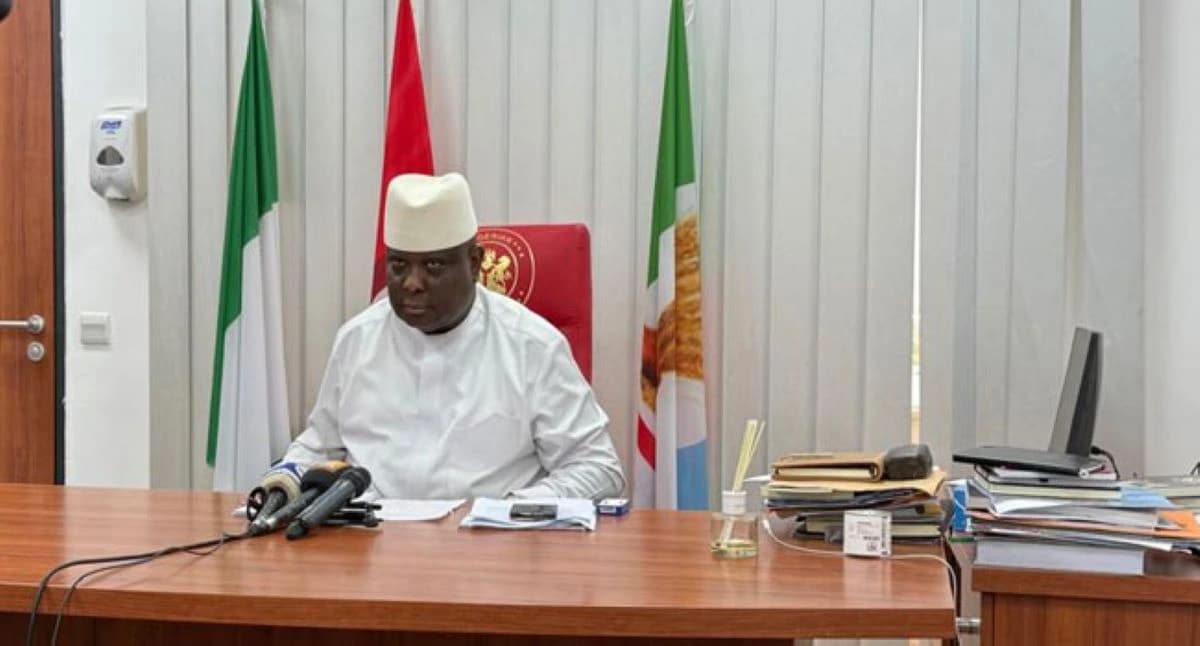
Senator Osita Izunaso has a habit of asking the questions Nigeria's financial establishment would rather answer later. On Monday in Abuja, the chairman of the Senate Committee on Capital Market and Institutions turned to the Securities and Exchange Commission with a blunt complaint: the world is already trading tokenised assets, and Nigeria is still drafting the rulebook.
Speaking at the National Capital Market Conference 2026, where the SEC unveiled its Nigerian Capital Market Master Plan 2.0, Izunaso warned that slow regulation could hand emerging investment opportunities to other jurisdictions. His timing was deliberate. The plan is a ten-year roadmap meant to expand the market from roughly N250 trillion to N750 trillion by 2036, and the senator argued that such growth cannot be built on regulatory hesitation. He noted that Nigerian stakeholders are already travelling abroad to explore tokenisation while domestic processes remain unfinished — capital, in other words, is being introduced to foreign regulators first.
For readers outside Lagos and Abuja, the context matters. The Investments and Securities Act 2025 already recognises virtual assets and strengthens the SEC's oversight of digital asset operators and exchanges. The SEC has gone further, floating proposals for platforms that tokenise real-world assets — property, receivables, commodities — into tradeable digital instruments. What is missing is the detailed rulebook that tells issuers, exchanges and investors exactly how those platforms will be licensed and supervised. Izunaso's intervention sits precisely in that gap between statute and practice.
Then there is the number he used to sharpen the point: Nigeria has more than five million registered companies but only about 151 listed firms. That ratio is the quiet scandal of the country's capital market. A generation of successful businesses — family conglomerates, logistics operators, consumer brands — has grown large without ever offering shares to the public. Izunaso's argument is that additional listings would let ordinary Nigerians own stakes in major businesses while widening the pool of domestic investment opportunities. It is a pitch about participation as much as regulation.
The SEC, for its part, insists it wants to accommodate innovation without abandoning investor safeguards. That balancing act is familiar across Africa, where regulators from Nairobi to Accra are weighing digital asset frameworks against the memory of past scams and the political cost of losses. Nigeria's market is the continent's deepest, and its pension and insurance pools are hungry for yield. Tokenisation, handled well, could let smaller issuers raise capital without the cost of a full listing. Handled badly, it becomes a channel for the kind of speculation that regulators are paid to prevent.
What the conference ultimately signals is a shift in who sets the pace. Legislators, not just technocrats, are now pushing the SEC on digital assets — a sign that capital market reform has become a political priority with an eye on 2036. The Master Plan 2.0 gives the ambition a timeline. Whether the rules arrive fast enough to keep Nigerian issuers and investors at home is the question Izunaso has now placed squarely on the SEC's desk.