India's BSNL bleeds ₹1,280 crore in Q1 as 4G push fails to close gap with private rivals
India's state-run telecom BSNL posts wider ₹1,280 crore Q1 loss as costs outpace revenue, despite 4G expansion and rising ARPU.
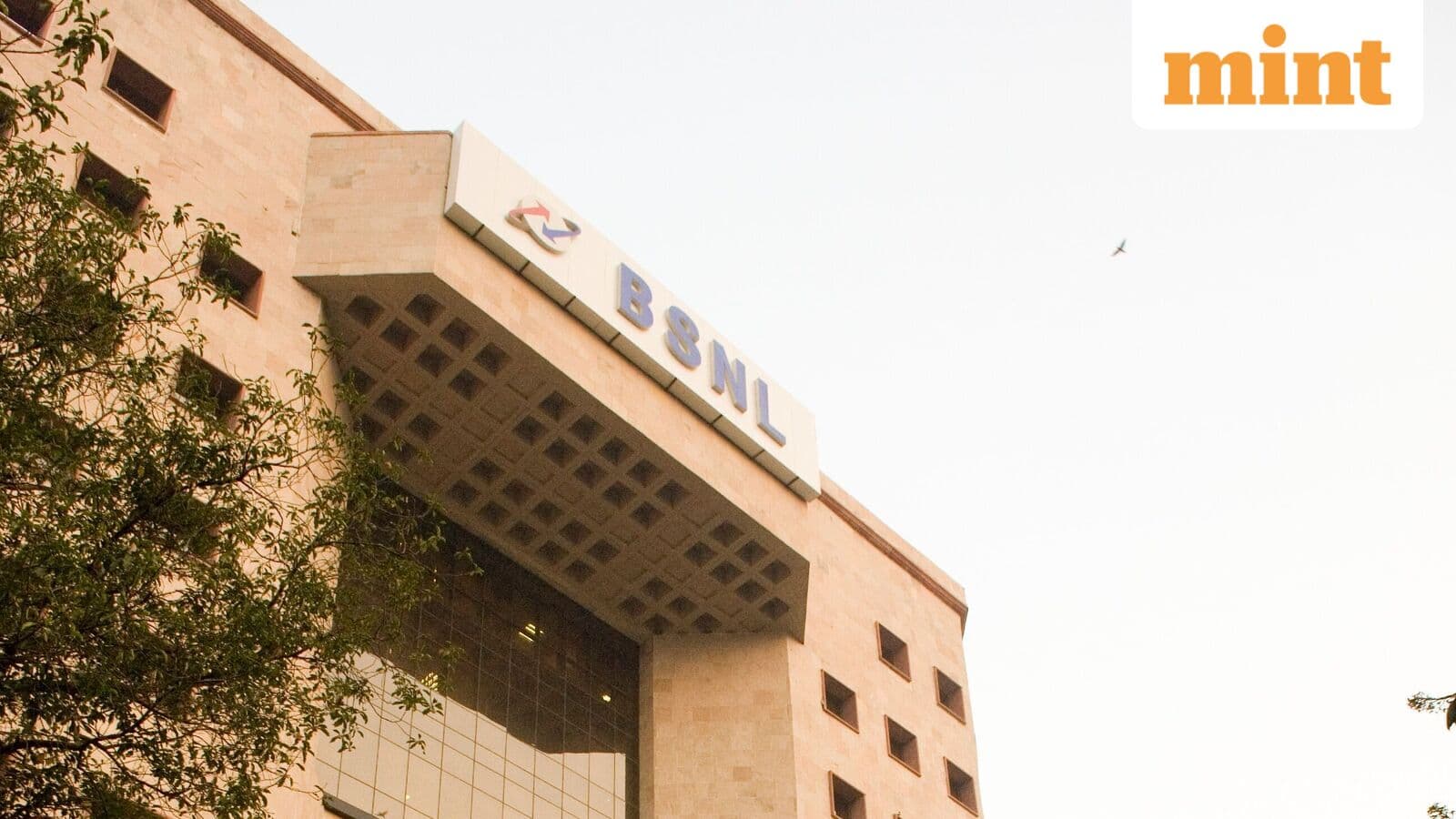
For a company that holds the keys to India's digital sovereignty ambitions, Bharat Sanchar Nigam Ltd's latest scorecard reads less like a turnaround and more like a slow-motion struggle. The state-run telecom operator widened its consolidated net loss to ₹1,280 crore in the April-June quarter of FY27, up from ₹1,007 crore a year earlier, even as revenue inched up just 4.2% to ₹5,306 crore. The gap between aspiration and arithmetic is the real story here — and it's one that investors tracking India's infrastructure story should watch closely, because BSNL is not just another telco; it's the government's chosen vehicle for indigenous network technology and rural connectivity.
The loss figure, published on BSNL's website, marks the second consecutive year of deepening red ink for the first quarter. Sequentially, there is a sliver of comfort — losses narrowed from ₹1,419 crore in the preceding March quarter. But the underlying math remains unforgiving. Total expenses climbed 5.5% year-on-year to ₹7,242.5 crore, with network costs surging 28% and depreciation charges up 9.6%. Employee costs, which eat up 37% of revenue, rose 1.8% to ₹1,974.5 crore — a reminder that BSNL carries a workforce legacy no private competitor would tolerate. The numbers also reflect a fresh accounting wrinkle: the merger with Bharat Broadband Network Ltd, approved by the corporate affairs ministry in May, has forced BSNL to restate its FY26 financials, adding a layer of complexity to any comparison.
What makes this more than a quarterly earnings footnote is the context. BSNL is the only operator with meaningful national reach that isn't owned by the Reliance or Aditya Birla groups, which control Jio and Airtel respectively. For decades, it was the default network in India's small towns and villages, but years of underinvestment left it scrambling to catch up in the 4G era. The government has thrown its weight behind a homegrown 4G stack — by late April, BSNL had installed over 105,000 indigenous 4G sites and was trialling 5G in Delhi. Yet the regulator's drive tests show its network quality still lags private rivals, often missing Trai's benchmarks. That gap has a direct commercial cost: while BSNL's consumer mobility revenue grew 12% year-on-year to ₹2,282 crore, its active subscriber base has been quietly shrinking — down to around 52.2 million by May, even as total subscribers hover near 93 million.
Communications minister Jyotiraditya Scindia has touted BSNL's improving ARPU — up from ₹100 at the end of FY26 to ₹102.7 in Q1 — as evidence of a growth phase. But analysts are sceptical, and rightly so. A sharp ARPU jump alongside meagre 1% growth in the cellular business suggests the metric's rise is being driven less by customers spending more and more by a contracting base of active users. In telecom, ARPU can be a mirage when the denominator is melting away. The enterprise services vertical, which grew 12% year-on-year to ₹1,736 crore, offers a brighter spot, but the consumer fixed access business — BSNL's legacy landline and broadband franchise — fell 14.5% from a year earlier, underscoring how hard it is to defend old turf while building new.
For anyone tracking capital flows into Asia's digital economy, BSNL's predicament carries a broader lesson. India's private telcos have consolidated into a profitable duopoly, but the state's own champion remains a fiscal drag, absorbing billions in government support without yet delivering the network quality that would justify it. The strategic logic is clear: New Delhi wants a credible third player to prevent private monopolistic pricing and to ensure connectivity in uneconomic rural zones. But BSNL's losses, and its quality-of-service shortfalls, suggest that state-backed competition is not a free lunch — it's a subsidy dressed as a corporation.
Looking ahead, the next two quarters will be decisive. BSNL's 4G rollout is still ramping, and 5G trials in Delhi are early-stage. If the indigenous stack can translate into measurable service improvements — fewer dropped calls, faster data, better coverage in the hinterland — then the revenue curve may finally bend. But if ARPU keeps rising while active subscribers keep falling, the widening losses will be more than a quarterly headline; they'll be a verdict on whether India's state can still build world-class infrastructure in an industry where private capital has already set the pace. For now, the balance sheet says the jury is still out.