India’s Aditya Birla Group turns its own name into a revenue stream
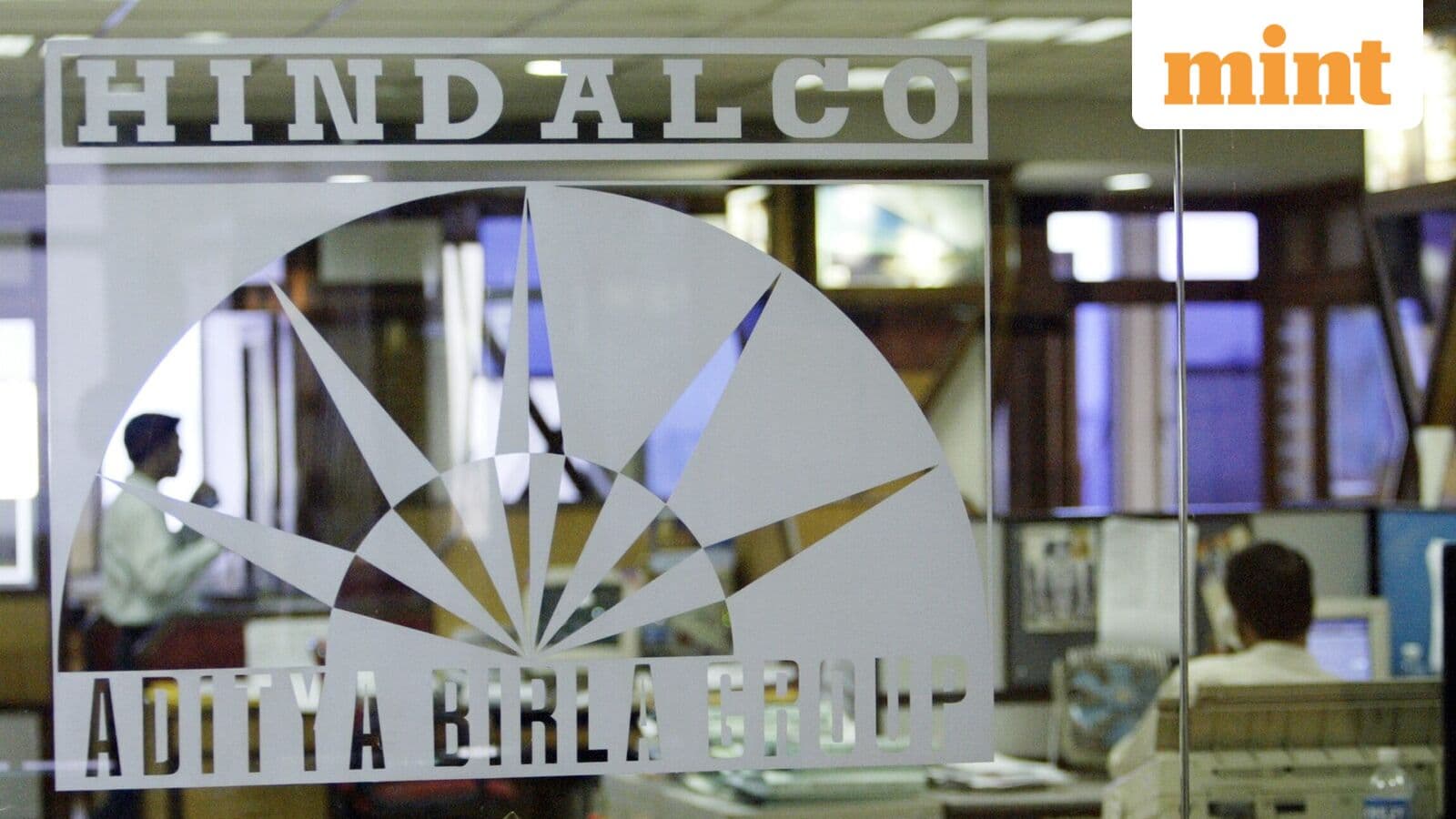
For decades, the name “Aditya Birla” has been shorthand for Indian industrial muscle — a sprawling empire of cement, metals, telecom and financial services that reaches from the Himalayas to the Gulf. Now the family behind it is doing something quietly revolutionary: charging its own companies for the privilege of using that name. From June 2026, every listed and unlisted group firm that carries the Birla brand will pay a royalty equivalent to 0.25% of its standalone revenue to the promoter entity, capped at ₹225 crore annually. It is a modest cut on the surface — but for a conglomerate with tens of thousands of crores in turnover, it turns a legacy asset into a steady, predictable income stream.
The move places the Aditya Birla Group in a growing club of Indian business houses — the Tatas, the Birlas of the other branch, the Ambanis — who have realized that their surnames are not just heritage but hard capital. The royalty is not a tax on growth; it is a toll on identity. For an outsider, the significance may be hard to grasp: in India, a family name attached to a cement bag or a mutual fund prospectus carries immense trust value, especially in small towns where retail investors and dealers rely on reputation over research. By formalizing this, the group is essentially saying that the brand is an asset that must be maintained, and that maintenance has a price.
Who exactly is behind this? The Aditya Birla Group is controlled by the Kumar Mangalam Birla family, heirs to one of India’s oldest industrial dynasties. The group’s flagship companies include Hindalco, UltraTech Cement, Grasim, and Vodafone Idea — a telecom venture that has struggled but remains a household name. The promoter entity, which sits above these operating firms, has long provided the strategic glue and the brand halo. Charging a royalty is not about squeezing cash from subsidiaries; it is about creating a clean, arm’s-length mechanism that values the group’s intangibles. The cap of ₹225 crore is a guardrail, ensuring the fee does not become a burden on minority shareholders of listed firms, who will be watching closely.
This is a signal about how Asian conglomerates are evolving. In Japan, keiretsu firms rarely charge each other for brand use; in South Korea, chaebol cross-subsidization has been a scandal magnet. India, by contrast, is moving toward a more professional, transparent model where family names are treated like intellectual property. The timing matters: Indian markets are flush with liquidity, and family groups are under pressure from institutional investors to clarify related-party transactions. A fixed, formula-based royalty — rather than ad hoc dividends or management fees — gives investors a predictable line item. It also shores up the promoter entity’s balance sheet at a time when some group companies, particularly telecom, need capital infusions.
For the broader Asian wealth narrative, this is a template. As second- and third-generation business families across Southeast Asia and China look to professionalize, they are watching how Indian groups monetize their most intangible asset: the name. The Birla royalty is not a one-off; it is a precedent. Expect other family houses to follow, perhaps with higher or lower percentages depending on their brand equity. The cap, however, is the clever part — it signals restraint, a nod to regulators and minority holders that the family is not plundering the till. Instead, it is treating the brand like a patent that needs renewal.
What happens next? By 2026, the royalty will be a line item in every Birla company’s annual report — a small outflow that buys access to a name that opens doors from Mumbai to Manila. For the family, it is a quiet compounding of wealth without selling a single share. For the market, it is a lesson in how legacy can be turned into liquidity. And for anyone tracking Asia’s billionaire dynasties, it is proof that the old guard is not just surviving — it is finding new ways to charge rent on history.