India's battery bonanza narrows: Ola and Reliance get time, Rajesh Exports gets the boot
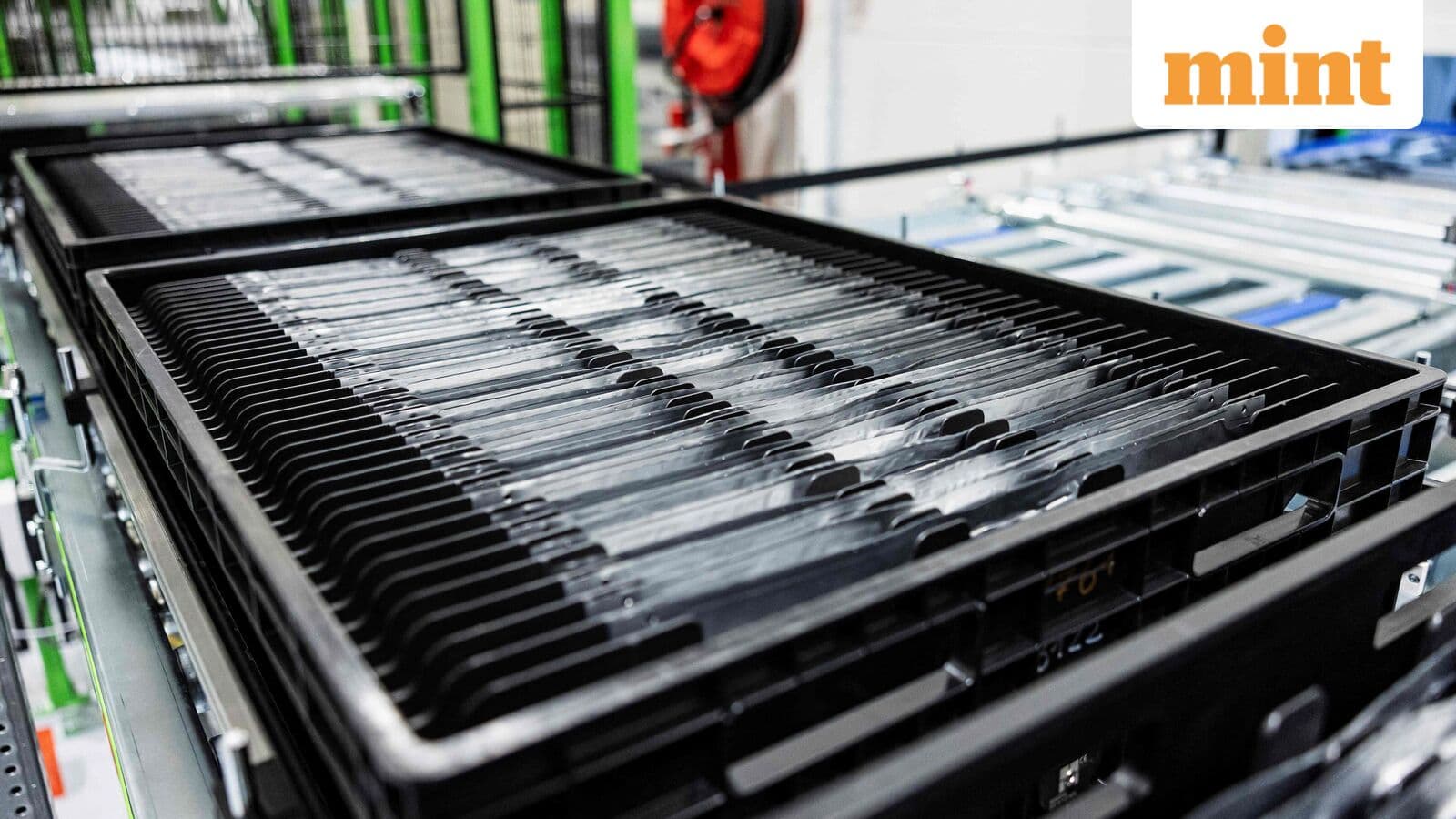
For anyone tracking the race to build India's electric-vehicle future, the past week delivered a quiet but telling reshuffle. The government, in its infinite flexibility, has handed two of the three winners of its flagship battery manufacturing incentive scheme an extra runway — pushing their project completion deadlines to 2031. The third name on that original list, however, did not get the courtesy of a phone call. Rajesh Exports, once a glittering jewel in India's gold trade, has been shown the door, and the reason is as much about governance as it is about gigafactories.
The scheme in question is the production-linked incentive, or PLI, for advanced chemistry cell batteries — New Delhi's attempt to wean itself off imported cells and anchor a domestic supply chain for electric vehicles and grid storage. When the winners were announced in 2022, the list read like a who's who of Indian capital: Ola Electric, the aggressively expanding two-wheeler maker backed by SoftBank; Reliance New Energy, the clean-tech arm of Mukesh Ambani's Reliance Industries; and Rajesh Exports, a gold-refining giant that had pivoted into batteries with a planned plant in Karnataka. The original terms were strict: set up manufacturing capacity within a fixed window or lose the incentives. Now, for Ola and Reliance, that window has been prorogued to 2031 — a recognition, presumably, that building cell plants at scale in India is harder than the PowerPoints suggested. But Rajesh Exports has been stripped of its eligibility entirely, following a Securities and Exchange Board of India investigation into governance issues at the company.
To understand why this matters beyond the boardroom, you need a bit of context on who these players are. Ola Electric is not just a scooter company; it is the poster child for India's EV startup boom, having listed publicly in 2024 after burning through billions in pursuit of market share. Reliance New Energy, meanwhile, is the vehicle through which Ambani has pledged $10 billion into clean energy, including battery gigafactories in Jamnagar that are meant to become a global hub. Rajesh Exports, by contrast, is a family-run gold trader that grew into one of India's largest exporters — but its foray into batteries always looked like a stretch, a diversification too far. The Sebi probe, which has not been detailed publicly, appears to have sealed its fate. For international readers, the message is simple: in India, government incentives are not entitlements. They are conditional contracts, and when regulators sniff trouble, the state can and will pull the plug.
This move also signals something larger about how Asia's third-largest economy is managing its industrial policy. India is not China — it cannot simply command a supply chain into existence with a wave of state financing. Instead, it uses carrots like the PLI scheme to lure private capital into sectors deemed strategic, then relies on market discipline to weed out the weak. Extending deadlines for Ola and Reliance is pragmatic; these are companies with real execution track records and deep pockets. Dropping Rajesh Exports is equally pragmatic, but it sends a sharper signal: compliance matters as much as capacity. For global investors, that is a double-edged sword. On one hand, it suggests the government is serious about governance and will not let questionable operators capture subsidies. On the other, it introduces a layer of unpredictability — a scheme's rules can change midstream, and a company's fate can hinge on a regulator's mood.
What comes next is the harder question. With the deadline now stretched to 2031, the pressure is on Ola and Reliance to actually deliver. India's EV adoption has been real but uneven, and domestic cell manufacturing remains embryonic; most batteries still come from China. The extension gives these two giants room to build, but it also buys time for the global battery technology race to shift — solid-state, sodium-ion, and other chemistries could render today's plans obsolete. For Rajesh Exports, the exit is a cautionary tale, but not necessarily a fatal one; the company still has its core gold business, and gold in India is never a bad fallback. For the rest of Asia, the lesson is clear: the era of easy subsidy money is over. Governments are watching, regulators are circling, and only those with both balance sheets and clean records will get to power the region's energy transition. The battery race in India just got a little more exclusive — and a lot more serious.