Immunotec Absorbs My Daily Choice: A $600M Network Bet on Science-Led Wellness
Immunotec merges with My Daily Choice, adding $600M in sales and 1M members, betting on science-backed supplements to redefine South America's wellness market.
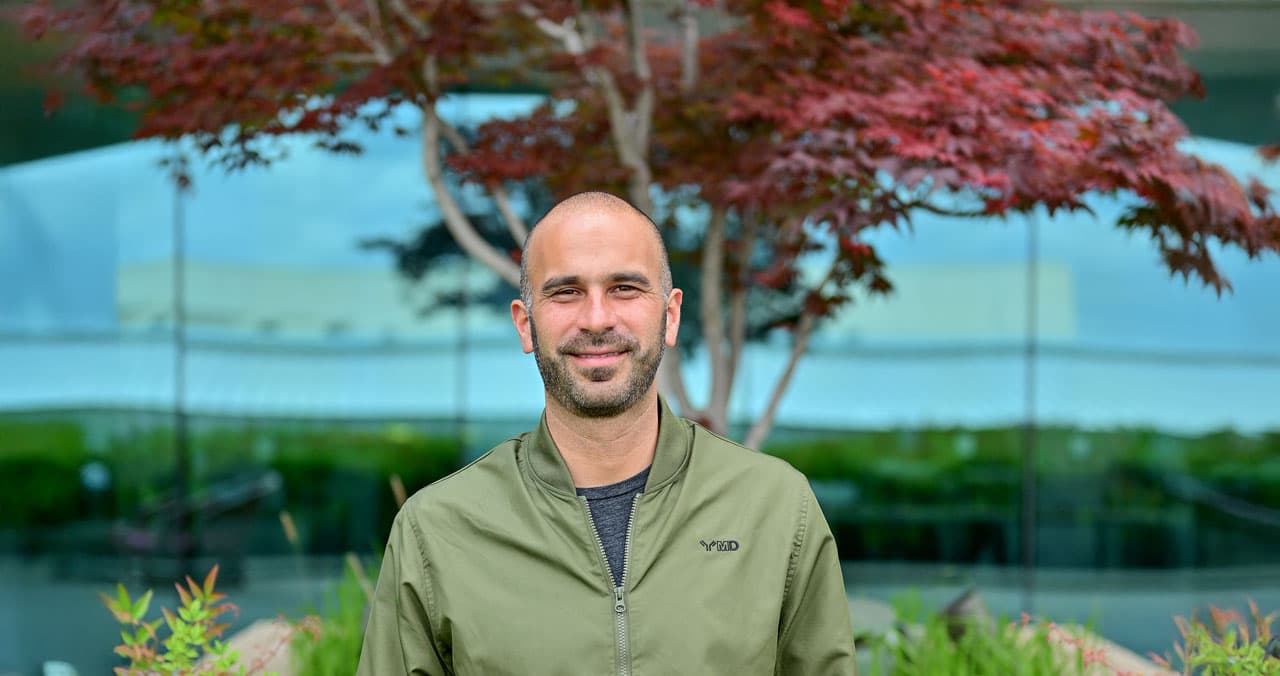
For anyone tracking the flow of capital in South America's wellness economy, the news landed like a quiet thunderclap: Immunotec, the glutathione-research pioneer with a footprint in 18 countries, has folded My Daily Choice (MDC) into its operation. This isn't just another distribution deal. It's a strategic absorption of a multilevel marketing giant that claims over a million members and $600 million in lifetime sales. For a region where network marketing often carries a whiff of pyramid-scheme suspicion, this merger signals a deliberate pivot toward credibility—marrying MDC's sprawling human network to Immunotec's clinical armor.
The numbers, as reported, are striking. Immunotec says its best-ever sales month came on the back of this integration, and CEO Mauricio Domenzain credits the consultants and the new alignment for the historic record. The flagship product, Immunocal—a glutathione precursor backed by more than 100 published studies and multiple patents—is seeing unprecedented demand. Add a fresh wave of incentives, exclusive events, and a revamped rank structure, and you get a company that claims it's no longer following industry trends but redefining them. Whether that's hyperbole or reality, the momentum is hard to ignore.
For outsiders, the context matters. Immunotec isn't a household name like Herbalife or Amway, but in the niche of scientifically validated supplements, it's a heavyweight. Its manufacturing standards—third-party certifications like the Clean Label Project and Informed Sport—are designed to reassure consumers in a market flooded with dubious powders and vague promises. Meanwhile, MDC's founder, Josh Zwagil, achieved Platinum status under ImmunotecPro in a record 15 days, a testament to the speed at which network loyalty can transfer when the product story is strong. On the other side, Araceli Carrillo, a European leader who built networks across Mexico, Spain, and Italy, reached Senior Platinum—the company's top rank—after years of grinding. These are human stories of persistence and reward, the lifeblood of any MLM ecosystem.
What does this mean for South America's wealth landscape? First, it's a reminder that the wellness industry—valued globally in the hundreds of billions—isn't just about e-commerce startups or boutique gyms. The real money often flows through direct sales, a channel that thrives on personal relationships and community trust, particularly in markets like Mexico, Brazil, and Colombia, where face-to-face commerce remains powerful. By absorbing MDC, Immunotec isn't just buying a distribution list; it's acquiring a cultural bridge to thousands of micro-entrepreneurs who can pivot their sales pitch from 'lifestyle opportunity' to 'clinically proven product.' That shift could redefine how supplements are marketed across the region, moving away from hype and toward evidence.
Second, this merger underscores a broader trend: consolidation. As the global wellness market matures, smaller players with strong science but weak networks are becoming targets for larger entities with reach but less credibility. Immunotec's move is a defensive and offensive play—it secures a massive sales force while simultaneously elevating its brand's scientific legitimacy. For investors watching South America, this signals that the next wave of growth in health and wellness won't come from new molecules alone, but from strategic marriages of innovation and distribution.
Finally, the celebratory event planned in Mexico City is more than a party. It's a statement of intent. As 2025 closes, Immunotec is positioning itself as a regional leader that can compete on both evidence and emotion. The question is whether other players will follow suit—or whether this merger becomes the template for a new era of consolidation in South America's supplement industry. For now, Domenzain's words echo with confidence: the company is redefining the game, and the region is watching.