Hong Kong's wealthy plan portfolios but neglect health — until age 45
Standard Chartered and HKSH survey shows Hong Kong's rich set health goals but delay action plans, treating wellness like an afterthought to wealth.

Walk into any private banking lounge in Central and you will hear meticulous talk of asset allocation, succession trusts and multi-generational wealth transfer. Yet the same people who can recite their portfolio's beta will confess, with a wry smile, that their last full-body check-up was three years ago. A new survey by Standard Chartered, conducted with HKSH Medical Group, has quantified this paradox: nearly eight in ten high-net-worth Hongkongers say they have set health goals, but only 53 percent have turned those aspirations into a concrete action plan. For a city that boasts some of the world's longest life expectancies, living well for longer has become a talking point — and, increasingly, a source of quiet anxiety.
The disconnect is starkest when you look at timing. Respondents told pollsters that age 30 was the right moment to begin regular health examinations, yet their first comprehensive check-up actually happened at 33 on average. Systematic health planning began at 38 — but those aged 50 or above did not start until 45 on average, more than 12 years later than their younger counterparts. In other words, the generation that has accumulated the most wealth has also delayed the most on preventive care. The good news, if there is any, is that once a plan exists, it tends to stick: almost seven in ten plan-holders followed it for at least half of the previous year. The problem is not execution. It is the starting gun.
This matters because Hong Kong's wealthy are not just managing their own bodies. Nearly seven in ten respondents reported a family history of at least one chronic condition, and 99 percent of that group had taken at least one preventive measure — improving diet, scheduling check-ups, monitoring indicators. But the same families show a worrying blind spot when it comes to the next generation: only 12 percent of parents felt very familiar with how to access professional support for their children's mental and emotional wellbeing, even though a similar proportion expressed concern about it. And while 98 percent wanted a trusted family doctor who understood their family's health needs, barely half currently had one. The infrastructure of care — the general practitioner who knows your father's hypertension and your daughter's asthma — is exactly what the city's elite lack, despite being able to afford the best private medicine on earth.
Dr Joseph Chan Woon-tong, Chief Medical Officer of HKSH Medical Group, frames this in language the private banking crowd understands instinctively. "Family doctor care must be supported by regular health examinations," he said, describing comprehensive check-ups as "a first line of defence in managing health as an asset." The metaphor is deliberate and apt. Health, like wealth, compounds. Early detection of a risk factor at 35 is the equivalent of starting a retirement fund in your twenties — the returns are exponential, not linear. Yet the survey found that 96 percent of respondents regard health and wealth as closely connected, which suggests the message is landing. What is missing is the translation from awareness to action, from knowing to doing.
The broader signal for Asia is significant. Hong Kong has long been the region's laboratory for how the ultra-rich behave, and this survey — conducted by a global bank and a prestigious medical group — points to a new frontier in luxury consumption: preventive health as a status marker and a family governance tool. Across the region, from Singapore to Shanghai, family offices are beginning to treat health data with the same seriousness as balance sheets. The rise of personalised medicine, genetic screening and concierge doctors is not just a healthcare trend; it is a wealth management trend wearing a white coat. When a family office hires a chief medical officer alongside a chief investment officer, you know the paradigm has shifted.
What remains to be seen is whether Hong Kong's wealthy will close the gap between intention and implementation. The survey suggests they are starting to try — 99 percent trust private healthcare institutions and doctors for important decisions, and 99 percent of those with family histories of chronic disease have taken some preventive step. But the data on delayed planning, the reliance on AI and social media for health information (which more than eight in ten find overwhelming), and the thin ranks of family doctors all point to a systemic gap. The city's financial elite have mastered the art of the long game in markets. The next decade will test whether they can apply the same discipline to their arteries, their children's anxiety and their parents' chronic conditions. In a city where wealth is measured in generations, health is the ultimate multi-generational asset — and it is chronically under-allocated.
More in MONEY

Swipejobs founder Katrina Leslie wins EY Entrepreneur of the Year as AI hiring platform hits $1.3bn revenue
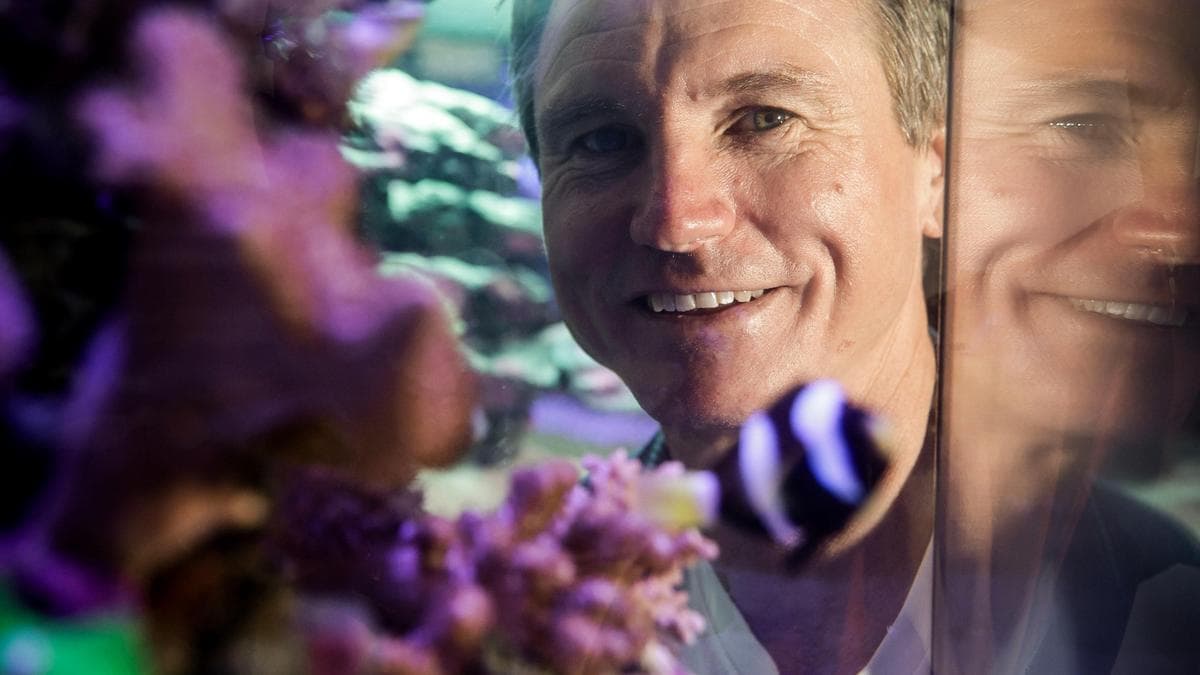
Ben Brayford, the Perth 'aquarium geek' chasing $4m to build Living Oceans into a billion-dollar venture

Zuckerberg Drawn Into Brazil's Election Fight as Sanders and Democrats Demand Answers on Meta's Treatment of Lula and Bolsonaro