Cosan Leaves the NYSE on September 18 — But Its US Shares Aren't Going Anywhere
Cosan delists from the NYSE on Sept 18, yet keeps OTC trading. A deeper story of debt, Raízen and Brazilian capital pragmatism.
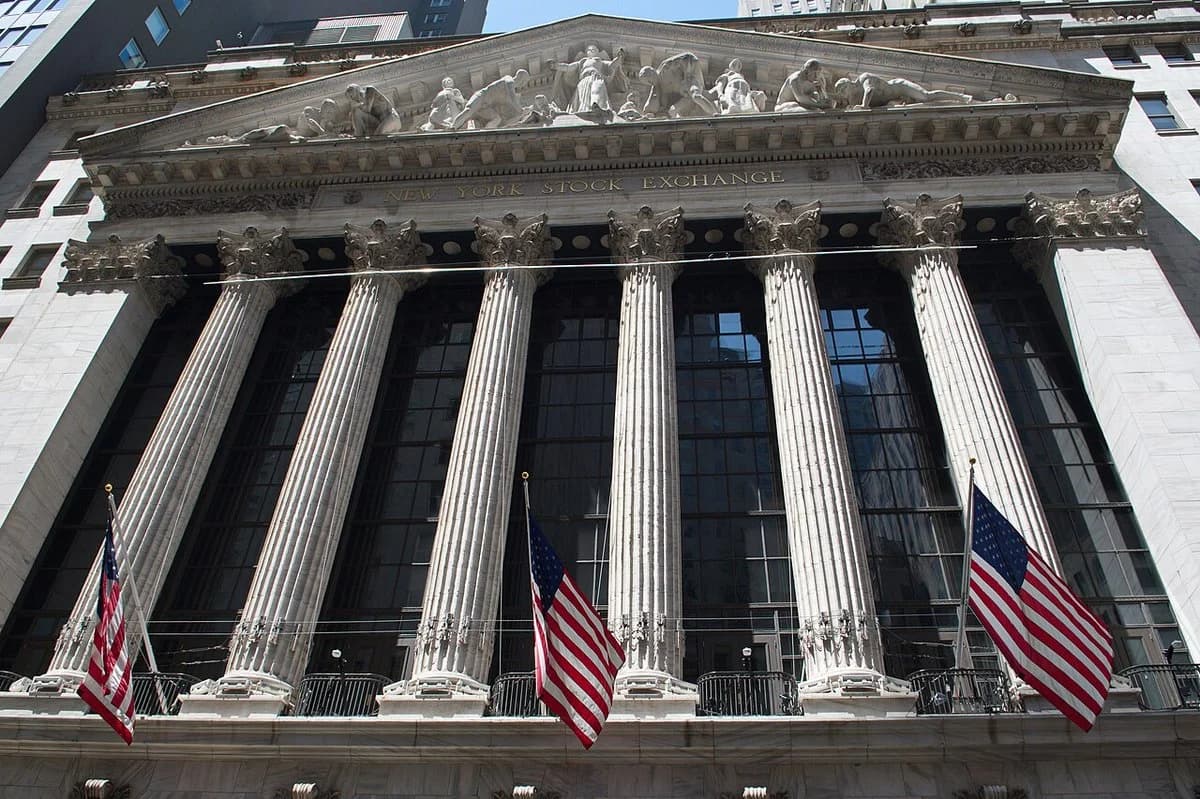
For anyone who tracks Brazilian capital, September 18 is a quiet date with a loud meaning. That is the day Cosan's American depositary receipts stop trading on the New York Stock Exchange. A delisting usually sounds like an ending — a company pulling up stakes, a foreign investor left holding a dead ticket. But this one is not that story. The receipts survive, just in a humbler form, and the paperwork trail shows a company that changed its mind mid-process, or at least clarified it. That distinction matters more than the date itself.
The mechanics are precise. Cosan's board approved the withdrawal on August 14, 2026, and formally told the NYSE four days later. It filed the delisting form with the US securities regulator on September 8. The last trading day on the exchange floor is September 18. Under the rules, the withdrawal takes effect ten days after that filing, and deregistration from the exchange follows roughly ninety days later — though Cosan has not set its own date for that final administrative step. The August notice said the company had not arranged for the receipts to be listed anywhere else. The September notice says the opposite: Cosan will keep the programme at the first level, allowing the receipts to trade over the counter in the United States. The later filing governs. Anyone still working from the August language is working with stale information.
A first-level programme is the lightest possible US footprint. It trades off-exchange, with thinner liquidity and lighter reporting. Cosan also remains a registered filer with the American regulator; it has not filed to deregister entirely. No forced conversion is coming. Holders can keep their receipts and trade them over the counter, or they can instruct the depositary to cancel them for ordinary shares in Brazil. Each receipt represents four ordinary shares, and that ratio is unchanged. What changes is the venue, not the asset. The company frames the move as part of an objective to simplify and optimise its capital structure, citing cost reductions and a sharper focus on strategically relevant business areas. It also notes, with the candour of a balance sheet under pressure, that trading in its shares is predominantly concentrated on the Brazilian exchange. That last point is the honest core. A second listing costs money, and in this case it was carrying little volume.
Cosan is not a household name outside Latin America, but it is a heavyweight of Brazilian infrastructure and commodities. The holding company controls interests in fuel distribution, sugar and ethanol, logistics, gas and land. Its most consequential asset is Raízen, the fuel and sugar joint venture with Shell — and that is where the deeper story lies. Cosan wrote down its holding in Raízen to zero at the end of 2025, after the venture's out-of-court restructuring plan was approved during the second quarter of 2026. That write-down is the single largest reason the group has spent this year cutting debt and selling assets. The numbers tell the tale: Cosan reported a second-quarter net loss of R$320 million, about US$62.9 million, down 66% from R$946 million a year earlier. Net debt at the holding level fell 47% year on year to R$9.2 billion, roughly US$1.81 billion, after the company prepaid R$8.8 billion of debt principal in the first half. It also signed a letter of intent to sell a port terminal for about R$300 million, or US$59 million, plus earn-outs. Raízen separately completed the sale of its Argentine business earlier this month for US$1.42 billion.
For an international reader, this delisting is a signal about how Brazilian capital is repositioning itself. Leaving a foreign exchange is not the same as leaving public markets — Cosan remains listed in São Paulo, where its shares always traded most actively. Companies do this when the second listing costs more than it delivers in liquidity or visibility. For an American investor, the practical change is real: over-the-counter trading means wider spreads and less analyst coverage. For a Brazilian investor, almost nothing changes. The shares trade where they always did. This is not a retreat from global capital; it is a recalibration of where that capital is best deployed. The NYSE listing was a badge of international ambition. The over-the-counter programme is a utility — cheaper, quieter, and sufficient.
The forward view is less about the exchange and more about the balance sheet. Cosan has spent 2026 deleveraging with purpose, selling assets and prepaying debt to weather the Raízen storm. The exit from New York is a cost-saving measure, not a strategic surrender. The group still runs Raízen with Shell in sugar, ethanol and fuel distribution, and it still needs access to international investors — but it no longer needs to pay NYSE prices for that access. Foreign holders of the receipts should check with their broker before September 18, since some brokers restrict over-the-counter trading. But the receipts themselves will live on, just off the main stage. In the world of South American wealth, that is not an exit. It is a trim — a sign of a conglomerate tightening its belt, not folding its tent.