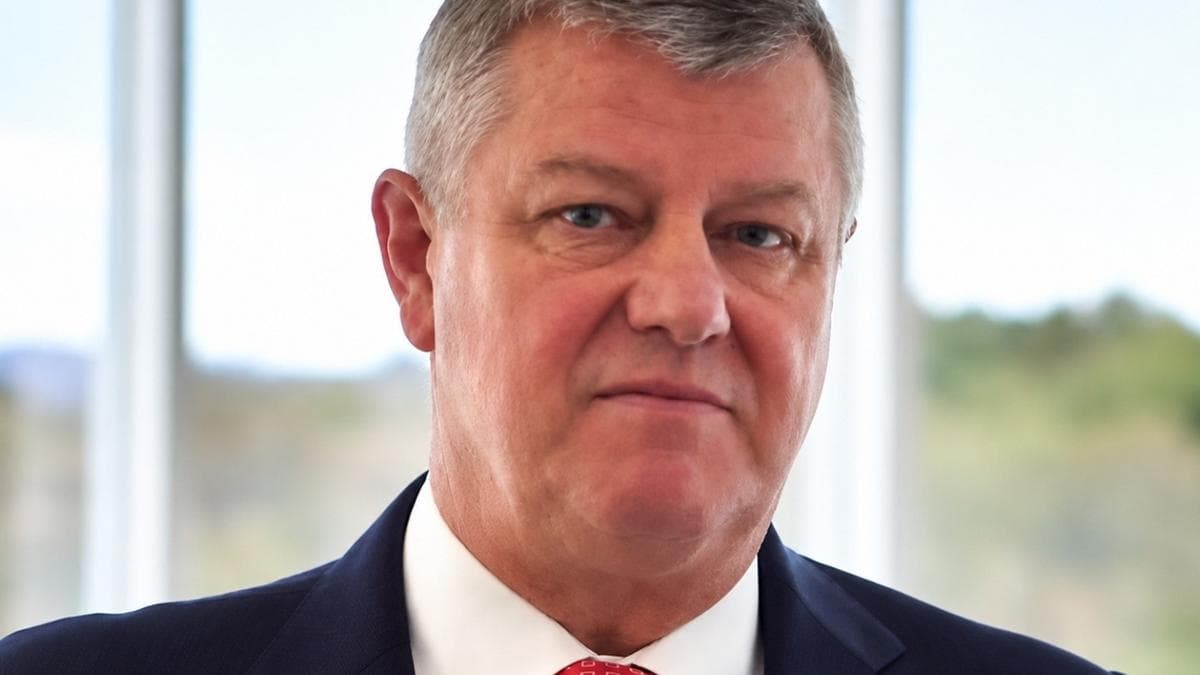
Harold Hamm's Continental bets $4bn on Argentina's shale revolution
Continental Resources buys 50% of Mercuria's Argentine shale firm Phoenix, pledging $4bn+ to triple output in Vaca Muerta.
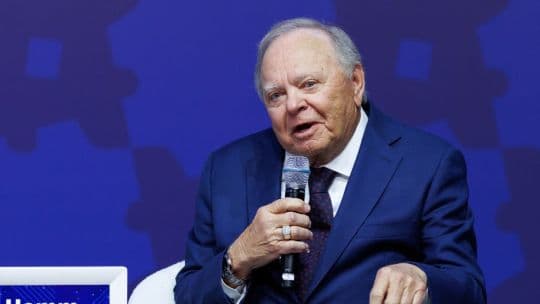
The world's shale pioneers are no longer just eyeing Argentina from a distance — they are writing checks. Harold Hamm, the Oklahoma wildcatter who helped ignite the US fracking boom, has signed an agreement to take half of Phoenix Global Resources, the Argentine shale producer controlled by trading giant Mercuria Energy Group. The two firms promise to pour more than US$4 billion into the venture to roughly triple production to over 100,000 barrels of oil equivalent a day within five years. For anyone tracking capital flows in South America, this is the loudest signal yet that Vaca Muerta, the Patagonian rock formation often compared to the Permian Basin, has become the continent's most magnetic destination for serious money.
The deal, announced on Thursday, creates a 50-50 joint venture between Continental Resources and Mercuria, with Phoenix as the vehicle. It also folds in shale interests from José Luis Manzano, the Argentine businessman and former politician whose Integra Capital holds acreage in the play. The structure is complex, but the intent is simple: consolidate prime Vaca Muerta land under two operators with deep pockets and deep technical know-how. Continental's CEO Doug Lawler was explicit about the catalyst, crediting President Javier Milei's free-market reforms for "ultimately helping pave the way for this significant partnership." That is not diplomatic fluff — it is the core thesis. After years of capital controls, price freezes and export restrictions that made Argentina a pariah for oil investors, Milei's deregulation push has flipped the narrative.
To understand why this matters, you need to know the players. Mercuria is one of the world's largest independent commodity traders, run by co-founders Marco Dunand and Daniel Jaeggi, who built a fortune moving crude and gas across borders. They entered Argentine shale in 2017, creating Phoenix from a listed oil producer they later took private — a patient, contrarian bet that is now paying off handsomely. Earlier this year, Mercuria also agreed to pay US$1.4 billion for one of Argentina's biggest refineries and a chain of gas stations, signaling it wants to control the entire value chain, from wellhead to fuel pump. Continental, meanwhile, is Hamm's flagship, the company that proved the Bakken formation in North Dakota could produce at scale. Last year it became the first independent US shale producer to enter Argentina, buying assets from local driller Pluspetrol, and in January it picked up stakes in blocks operated by Pan American Energy Group, which is half-owned by BP. This is not a tourist visit; it is a strategic occupation.
The timing is no accident. This month alone, tech billionaire Peter Thiel disclosed a sizable stake in Vista Energy, another Vaca Muerta pure-play, and Chevron recently committed to develop more acreage there, encouraged by a Milei initiative offering tax cuts and other incentives. The pattern is unmistakable: American capital, both old-school oilmen and Silicon Valley moguls, is converging on Argentina's shale patch. Vaca Muerta is already fueling the world's fastest-growing shale boom, but for years it was throttled by government intervention. Milei, a self-styled anarcho-capitalist and ally of Donald Trump, has dismantled many of those barriers, and the market is responding with a flood of investment that would have seemed impossible just a few years ago.
What does this mean for South America's broader wealth landscape? It signals a shift from extraction-for-export to production-for-scale, with American operators bringing the efficiency and capital discipline that made the US shale revolution so transformative. It also highlights a regional curiosity: while Brazil and Colombia debate their energy futures, Argentina is quietly becoming the continent's shale laboratory, where risk appetite meets geological fortune. The Continental-Mercuria deal, with its promise of multi-billion-dollar investment, is a bet that Milei's reforms are durable — that the country will not slide back into the populist policies that once scared off the likes of Hamm. For the international reader who tracks wealth in South America, this is the clearest proof yet that the old days of underinvestment and missed opportunities are giving way to a new era of aggressive, cross-border capital deployment. The wellhead is open, and the money is flowing in. The only question now is how fast the barrels follow.