Ghanem raises $1.5 million pre-seed extension, bringing Saudi proptech's round to $8.6 million
Saudi proptech Ghanem adds $1.5 million to its pre-seed round, reaching $8.6 million, as it scales fractional property ownership from SAR 1,000.
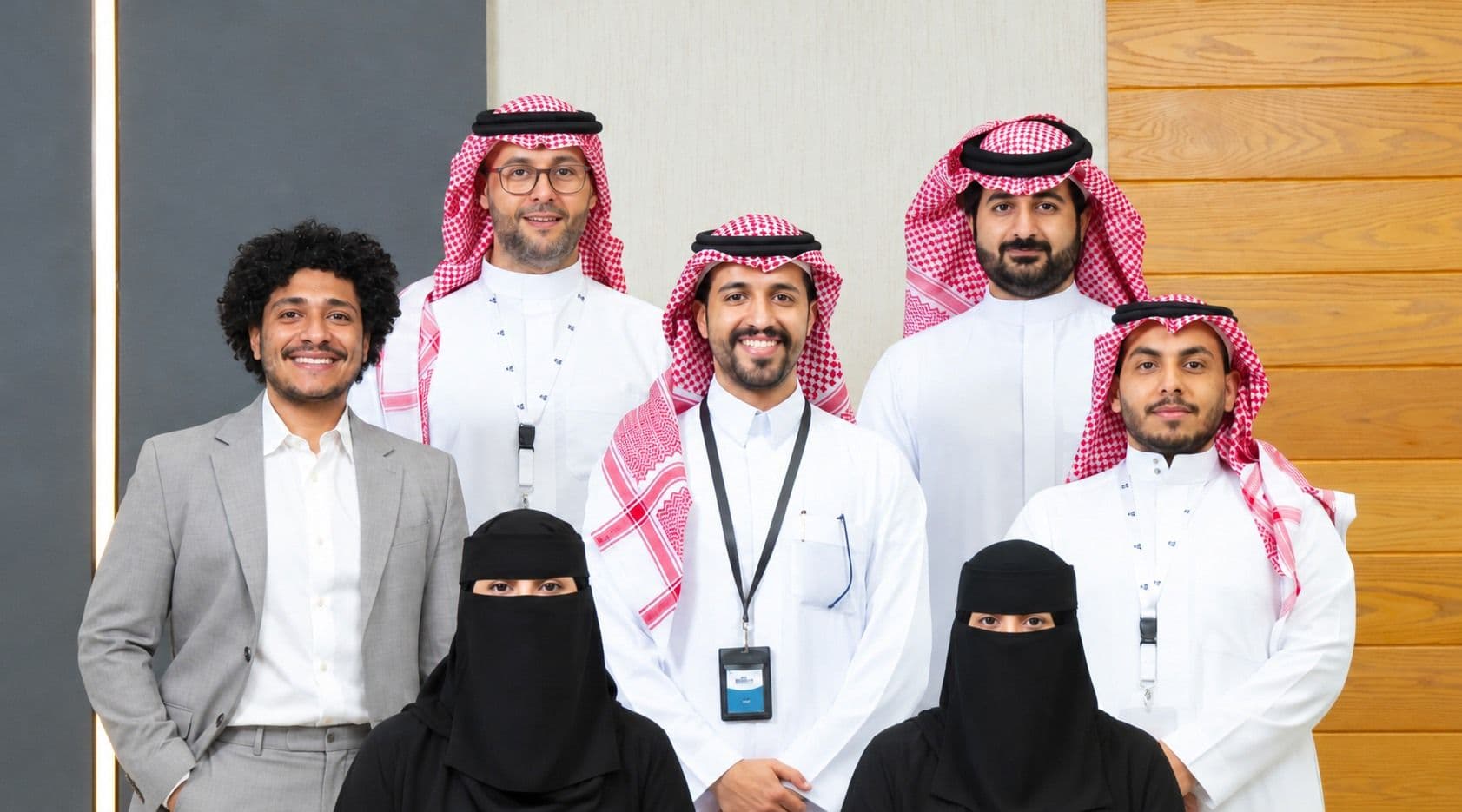
For decades, the surest way into Saudi property was a villa, a plot of land, or a family compound — and the capital to buy one outright. Ghanem, a Riyadh-based proptech founded only last year, is betting that a generation of Saudis would rather own a slice of a building than the whole thing. Investors following the kingdom's wealth story should pay attention: the company has just topped up its seed funding, and the names writing cheques are the kind that know the local property market from the inside.
The startup closed an additional $1.5 million in a pre-seed extension, backed by real estate companies and a group of strategic angel investors. That lifts the round to $8.6 million in total, following an earlier $7.1 million tranche that drew in Al-Romaih Group, a name familiar to anyone who has watched Saudi real estate and industrial holdings for a generation. Waad VC has also invested in the company. Ghanem was founded in 2025 by Saleh Waheed Al-Ghamdi, its chief executive, and Amr Essam.
The product is fractional ownership of income-generating property, with entry tickets starting at SAR 1,000 depending on the opportunity. That is a deliberately low floor — roughly the price of a decent smartphone — and it is the point. Rather than pooling blind capital, Ghanem vets each property, runs due diligence and valuation through accredited valuers, and issues digital ownership deeds in the investor's own name. The company says 580 individuals received such deeds in its first income-generating offering, and that it has begun paying rental distributions monthly without interruption. Its products have been cleared as Sharia-compliant by its Sharia committee, a detail that matters enormously to Saudi retail and institutional investors alike.
What separates Ghanem from the crowd of regional property platforms is its paper trail with the state. The company entered the regulatory sandbox of the Real Estate General Authority (REGA) several months ago and launched its product inside that supervised environment. It has also signed and activated a digital integration with the Real Estate Registry, allowing fractional stakes to be registered and deeds issued in investors' names through one digital flow. That integration is the quiet achievement here: fractional ownership only becomes investable at scale when the registry recognises it, and Ghanem has built the plumbing while still under the regulator's wing.
The wider context is a Saudi housing and investment market being reshaped by Vision 2030. Homeownership targets, a young population, and a deep pool of retail savings looking for yield outside deposits have created demand for accessible, income-producing assets. Fractional ownership sits at that intersection — part fintech, part real estate, part capital-markets product. The involvement of established property houses and strategic angels, rather than pure venture money, suggests the industry sees the model as a distribution channel rather than a novelty.
The new capital is earmarked for product development, a broader menu of property opportunities, and partnerships. Ghanem's founders frame the extension as fuel for the next stage, and the company's early metrics — thousands of registered users, completed transactions, on-time dividends — give it something concrete to build on. The test ahead is whether fractional deeds become a routine part of how Saudis hold property, or remain a niche. For now, the smart money in the kingdom's real estate establishment is placing a small but telling bet that the answer is the former.