Alice raises $40M Series D led by World Bank's IFC as SoftBank exits and ARR hits R$1.2B
Brazilian healthtech Alice closes a $40M Series D led by the IFC, with SoftBank off the board and ARR at R$1.2 billion as it goes AI-native.
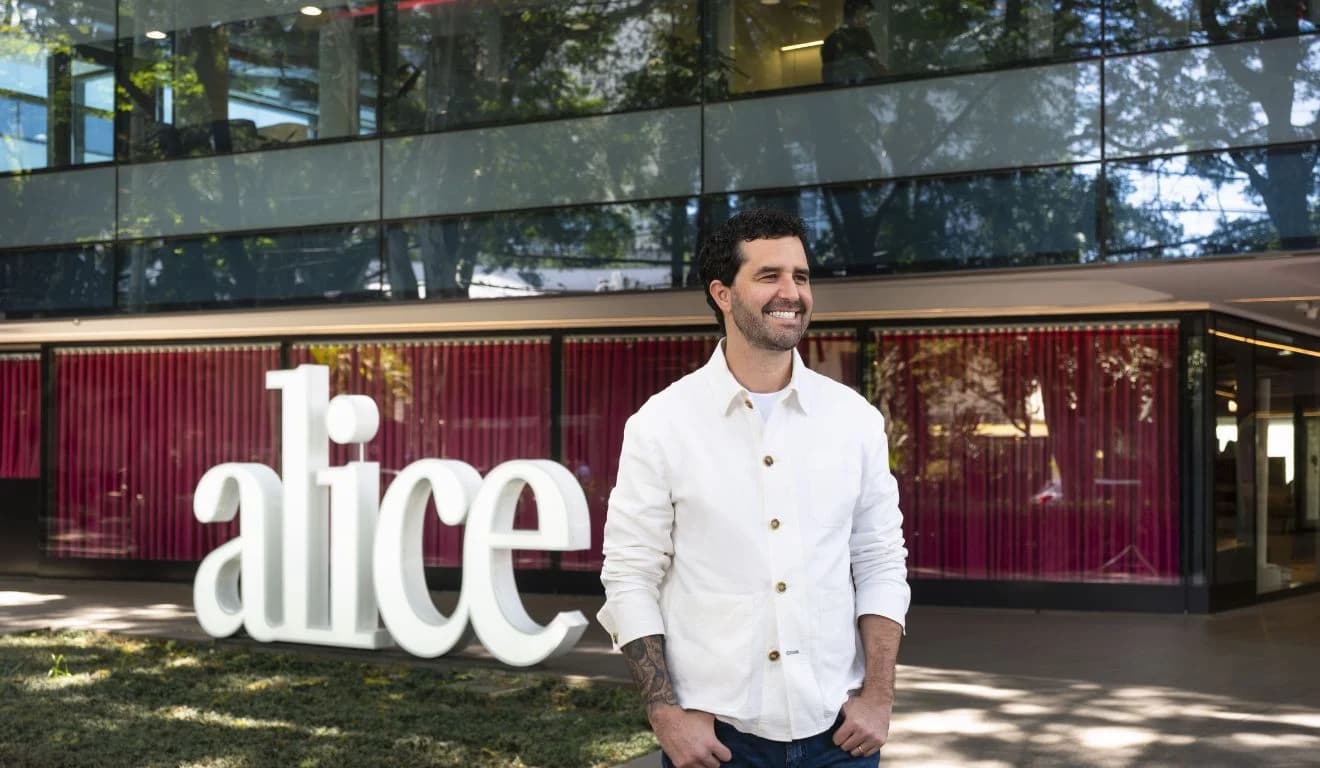
SoftBank's checkbook once defined Brazilian healthtech. Now the World Bank's is doing the talking. Alice, the São Paulo-based health insurer turned AI-native care platform, has closed a $40 million Series D led by the International Finance Corporation — the private-sector arm of the World Bank — with Germany's DEG and Finland's Finnfund joining. It is a striking change of cast for a company that, five years ago, was the toast of the venture cycle.
The numbers tell the story of a company that kept moving while its original backer stepped back. Alice has grown its member base from roughly 6,000 to more than 100,000 clients. Annualized recurring revenue hit a record R$1.2 billion (about $236 million) in October and is projected to reach R$2 billion by 2027. The round, confirmed October 19, is Alice's first return to equity markets since its $127 million Series C in 2021 — a round led by SoftBank, which has since left the board and sold part of its stake to existing investor Canary. Canary, Next Billion Ventures, Thorntree Capital and Kaszek also participated in the new round.
For outsiders, the corporate history matters as much as the capital. Alice began as a corporate health insurer — the kind of B2B plan Brazilian employers buy for staff — and built an integrated platform around it, combining insurance, primary care and navigation through a notoriously fragmented system. That model was expensive to scale and reliant on deep-pocketed growth capital. The past year has been about restructuring: trimming operations and repositioning the company as an "AI-native healthcare ecosystem." Management says nearly 100% of the platform's code is now generated by AI agents, freeing engineers to focus on architecture, orchestration and governance. The claimed operational payoff: underwriting timelines cut by 90%, patient wait times down 12.5%, and an 18% drop in the operating costs of care.
Why does an IFC-led round matter beyond the headline? Development finance institutions bring a different mandate than venture funds — patience, a bias toward access and health-system impact, and a signaling effect for co-investors wary of LatAm risk. DEG and Finnfund fit that profile. The mix of a World Bank affiliate and Nordic and German DFIs backing a Brazilian health insurer suggests Alice has persuaded institutional capital that its AI-first model is not just a cost story but a public-health one. In a region where private health coverage is concentrated among formal-sector workers and public systems are strained, that argument carries weight.
It also says something about how South American scale-ups are maturing. The SoftBank era rewarded growth at almost any price; the current one rewards unit economics and credible governance. Alice's ability to raise after a SoftBank exit, with a development bank in the lead, is a template more founders in the region will study. The AI narrative helps: it lets a capital-intensive insurer present itself as a software business, with the productivity metrics to match. Whether those gains hold under regulatory and clinical scrutiny is the open question.
Next month brings the clearest test. Alice is set to launch Alice AI, an in-app health assistant that reviews members' medical records and routes them to telemedicine specialists or physical hospitals. It will not diagnose, and a clinical team will review it weekly — a sensible guardrail in a regulated market. Co-founder and CEO André Florence argues the tool supplies clinical context that generic AI models lack. Deploying it across 100,000-plus members could change how quickly patients get care. For a company that has swapped SoftBank for the World Bank, the next chapter will be judged less on code and more on outcomes.