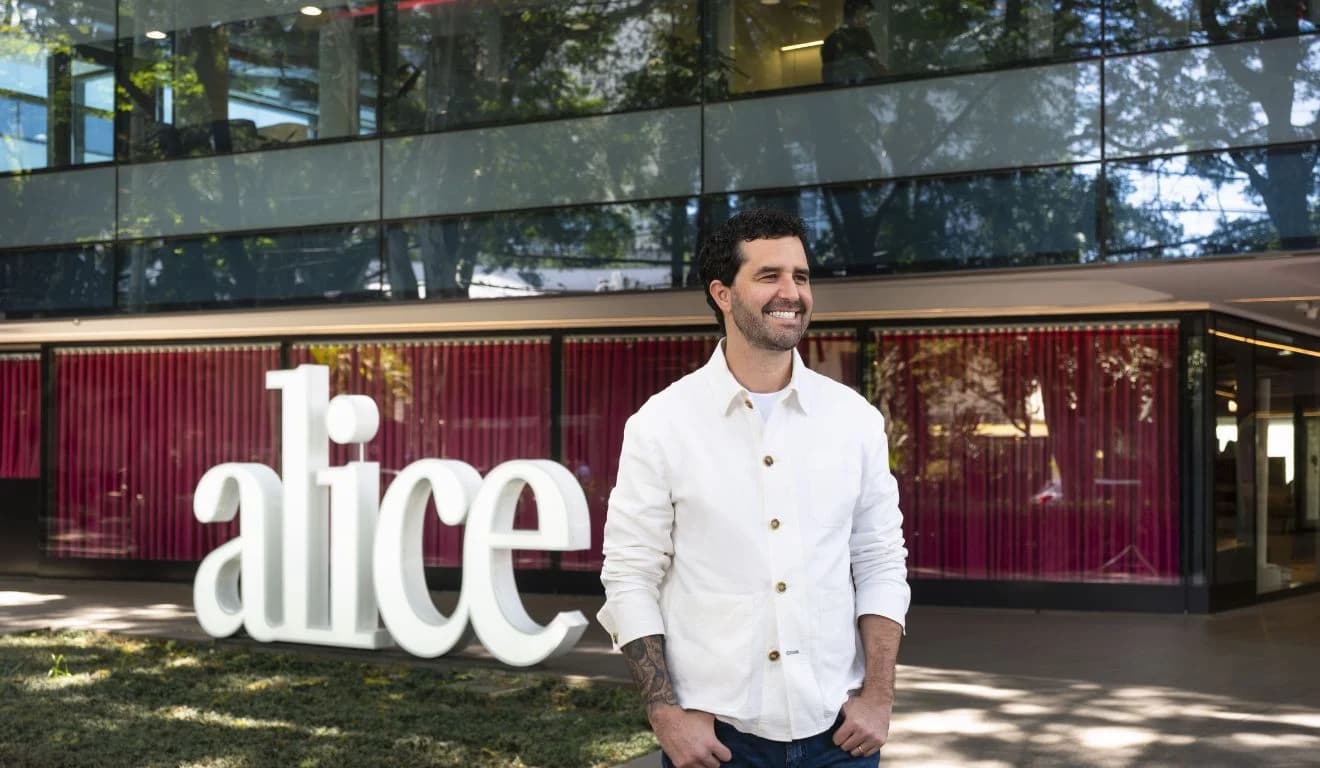
Bajaj General Hands Its Top Job to a Returning Insider as Deepak Reddy Succeeds Tapan Singhel
Bajaj General Insurance names Deepak Reddy CEO-designate, tapping a 17-year Bajaj veteran to succeed Tapan Singhel, who exits under India's 15-year tenure cap.
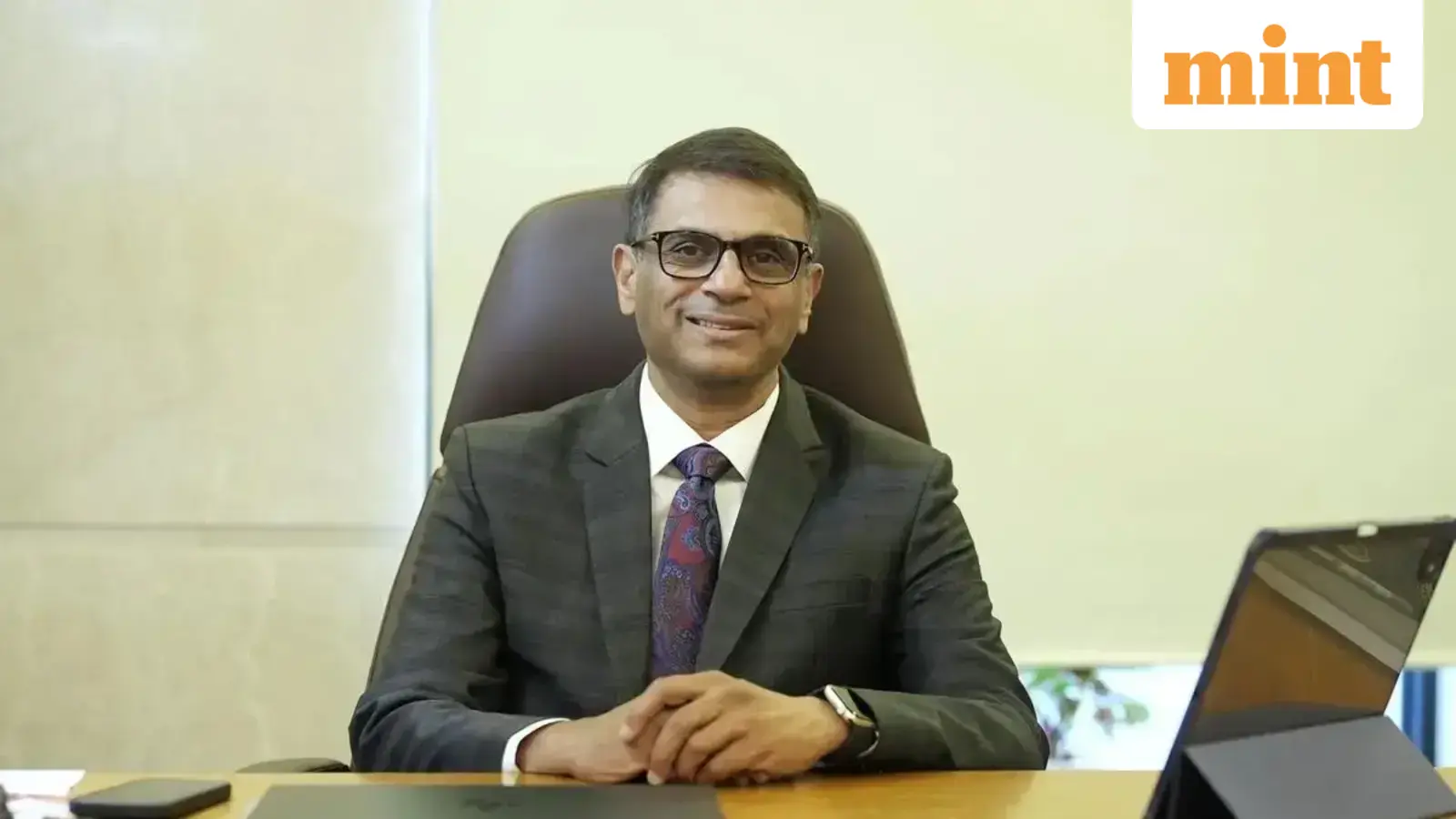
Bajaj General Insurance has chosen continuity over reinvention. The Pune-rooted insurer, part of the Bajaj Finserv financial services empire built by the Bajaj family, has named Deepak Reddy as chief executive officer-designate, setting up a handover that will see him take the managing director and CEO role from 1 April 2027, subject to regulatory approval. For anyone tracking how India's old business houses manage succession, this is a case study worth watching closely.
The mechanics are deliberate. Reddy begins as CEO-designate on 1 January 2027, overlapping with the incumbent, Dr Tapan Singhel, who stays at the helm until 31 March 2027. Singhel's exit is not a falling-out; it is a regulatory clock running out. India's insurance regulator, Irdai, caps continuous tenure for managing directors, CEOs and whole-time directors at 15 years, and Singhel has reached that limit. Sanjiv Bajaj, chairman and managing director of Bajaj Finserv, credited Singhel with building the insurer from its early joint-venture years into a wholly Bajaj-owned company, calling him one of the few leaders who have built an institution from the ground up. The market absorbed the news coolly: Bajaj Finserv shares closed 1.4% lower at ₹1,655 on the National Stock Exchange.
Reddy is no outsider. He spent 17 years inside the Bajaj Finserv ecosystem, helping scale several businesses and, by his June 2025 departure, leading the rural, insurance and gold-loan operations at Bajaj Finance. He was also the group's first head of human resources, an unusual credential for a future insurance CEO but one that speaks to how the group thinks about organisational building. His wider CV spans American Express, Standard Chartered Bank and MIRC Electronics, giving him more than three decades in financial services. The detour that makes this appointment interesting is Manappuram Finance, the gold-loan non-banking financial company where he was appointed CEO effective 1 August 2026 but stepped down in July 2026, citing professional and personal reasons. He remains on garden leave until 31 December 2026. Manappuram shares fell 5.2% to ₹286.10.
To understand why this matters beyond one company, you need the local backstory. Bajaj General began life in 2001 as a joint venture between the Bajaj Group and Germany's Allianz SE. That 24-year partnership ended, and in January 2026 the business was rebranded Bajaj General Insurance as a wholly Bajaj-owned entity. The insurer now reaches 1,500 towns and cities across India. Handing the reins to a returning Bajaj veteran signals that the family wants someone who already knows the machinery, the culture and the distribution network as it charts its next phase of growth.
Zoom out and the move fits a broader pattern across Asia's financial sector. As regulators tighten tenure rules and governance standards, founders and family groups are being forced to professionalise succession rather than let charismatic leaders linger. India's insurance market, still underpenetrated relative to its population, is attracting serious capital, and the general insurance segment is where motor, health and commercial lines are compounding. A structured, overlapping transition — designate in January, full control in April — is exactly the kind of choreography institutional investors want to see.
The real test begins after March 2027. Reddy inherits a fully Bajaj-owned insurer with national reach and a mandate to build on its market position. Whether a gold-loan and rural-finance operator can translate that instinct into insurance growth is the question that will define Bajaj General's next chapter — and give the wider market a read on how smoothly India's family-run financial houses can pass the baton.