Dangote doubles down on cement with $800m Itori expansion deal
Dangote signs $800m MoU with Sinoma to double Itori cement plant capacity to 12mt, boosting Nigeria's export clout.
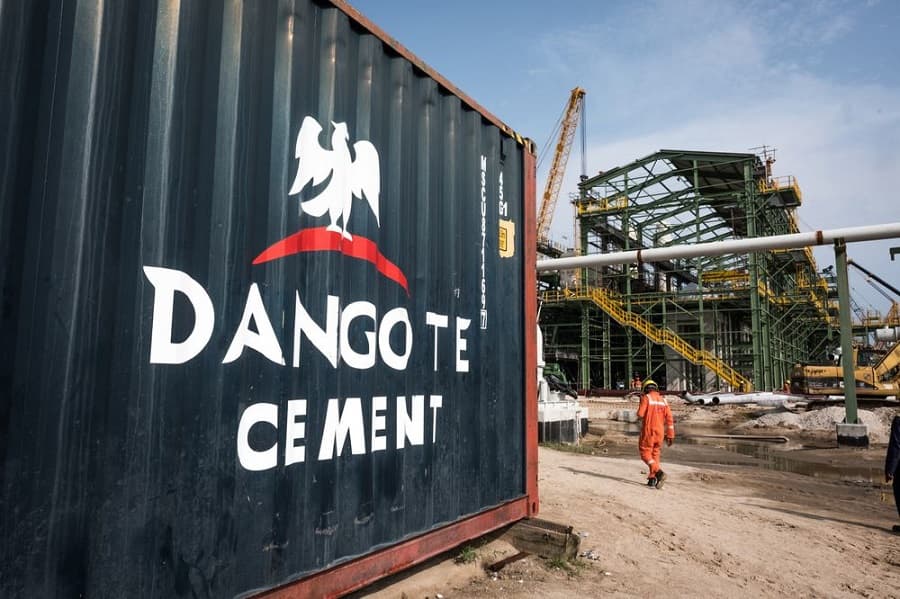
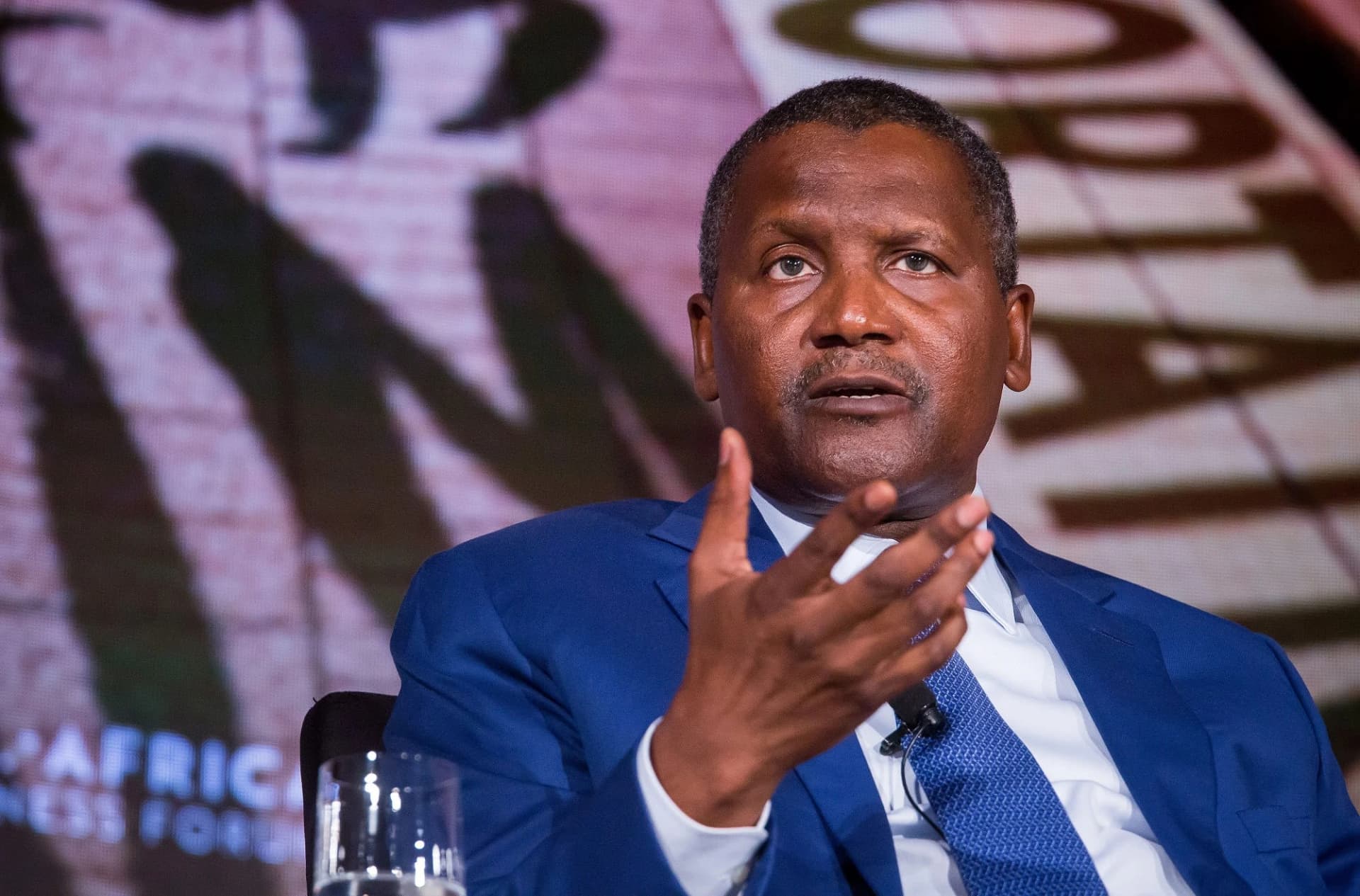
For anyone tracking the movement of serious capital on the continent, the signature that matters most this week wasn't in Lagos or Abuja, but on a document binding Nigeria's richest industrialist to a Chinese engineering giant. Aliko Dangote has put his name to a memorandum of understanding worth more than $800 million with Sinoma International Engineering, a deal that will double the capacity of his cement plant in Itori, Ogun State, from six million to 12 million metric tonnes a year. The paper was signed by Dangote himself and Sinoma's chairman, Lin Zhong, and it is the kind of announcement that quietly reshapes the map of African manufacturing.
The core arithmetic is simple: double the clinker, double the leverage. Dangote Cement's Itori facility is being expanded before the existing line has even been formally commissioned, a detail that tells you how fast the group believes demand is moving. The company is also scaling up its cement export terminal in Lagos, which means the ambition here is not just to pour more concrete for Nigerian roads and buildings, but to push bagged and bulk cement into West and Central African markets that have long relied on imports from outside the region. Dangote was careful to credit President Bola Tinubu's government for creating what he called an enabling environment, specifically pointing to a federal push to use concrete for road construction — a policy that effectively turns the state into a major customer for his product.
For outsiders, it is worth understanding who Sinoma is in this equation. The Chinese firm is not a newcomer; it has built some of the largest cement plants across Africa and Asia, and its partnership with Dangote goes back years. This is not a speculative handshake. It is a repeat collaboration between a contractor with a track record of delivering on time and a client who has learned to treat infrastructure as a weapon of market dominance. Dangote Cement already operates plants across several African countries, and the March 2026 announcement of a $1 billion, four-year expansion plan across the continent now looks like the opening gambit in a much larger hand. The Itori deal is the first concrete card played from that strategy.
What does this signal about capital in Africa? First, that the region's biggest private investors are no longer content to extract and export raw materials. Dangote is building a fully integrated industrial chain — from limestone quarry to export terminal — and doing it at a scale that rivals global majors. Second, it shows that Chinese engineering capital remains deeply embedded in African industrialisation, despite the geopolitical noise about debt traps and influence. Sinoma is here to build, and Dangote is here to buy. That symbiosis is the real story of African infrastructure finance in this decade.
The macro picture is equally telling. Nigeria has spent years trying to diversify away from oil, and cement is emerging as a quiet foreign exchange earner. Every tonne of Nigerian cement shipped to Ghana, Cameroon or Chad is a small victory for the country's balance of payments. The government's concrete-for-roads policy is not just a construction preference; it is a deliberate industrial strategy that funnels public spending into domestic manufacturing capacity. Dangote, as the dominant player, is the direct beneficiary — and he knows it.
Looking ahead, the question is whether the rest of the continent can keep up. Dangote's expansion will put downward pressure on cement prices in regional markets, which is good for builders but brutal for smaller producers. Countries like Ghana and Senegal may find their local plants struggling to compete with Nigerian output shipped from a purpose-built terminal. That is the double edge of African industrial champions: they create jobs and revenue at home, but they also redraw the competitive landscape for everyone else. For now, Dangote is betting that scale beats sentiment, and with Sinoma holding the blueprint, that bet looks increasingly safe. The next few years will show whether the rest of West Africa can absorb the flood of Nigerian cement — or whether it will be forced to build its own Itori.