Chris Ellison's $17.3m payday and the copper bet that reshapes Mineral Resources
Mineral Resources' Chris Ellison takes a $17.3m dividend while the company eyes a copper project—a signal of shifting capital in Australia's resources sector.
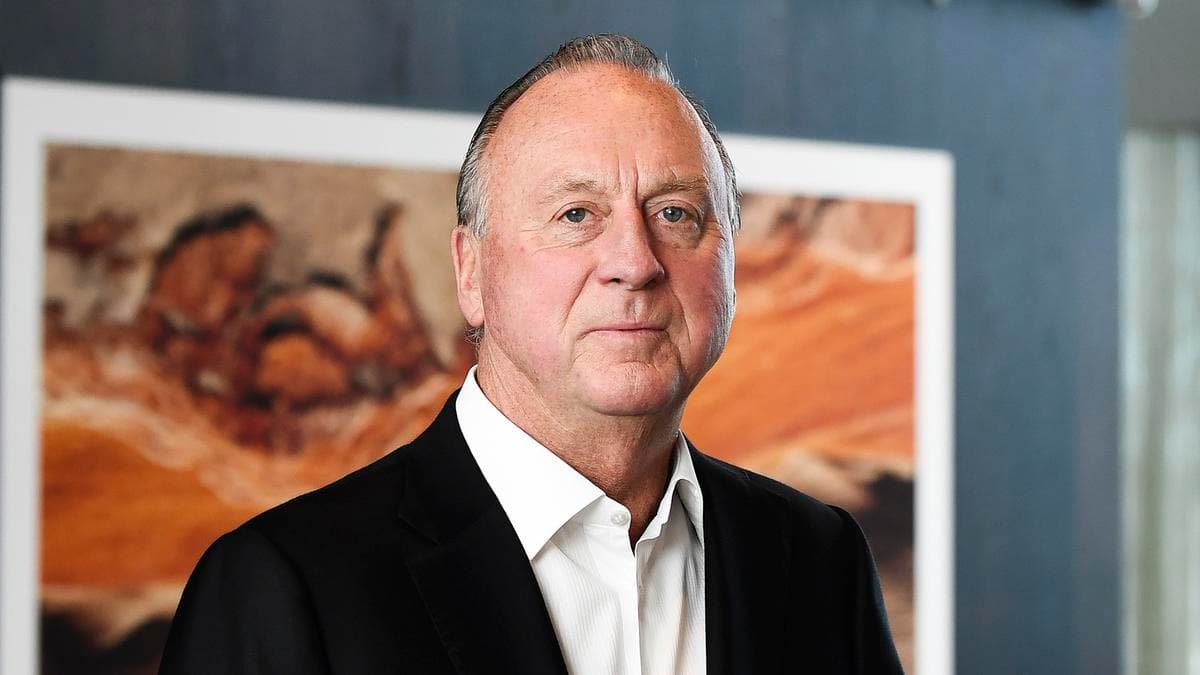
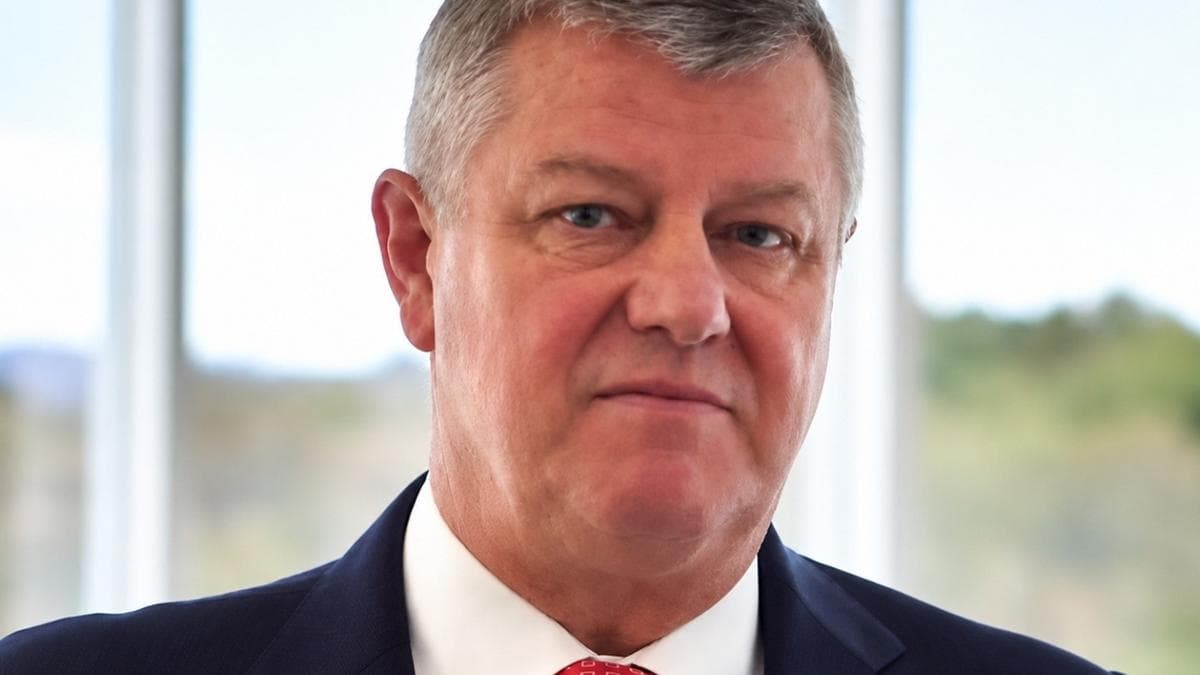
For a man who built a fortune hauling iron ore out of the Pilbara, Chris Ellison's latest move reads less like a miner's playbook and more like a strategist's endgame. The founder and managing director of Mineral Resources has just collected a $17.3 million dividend from the company he steers, a payout that lands as the firm quietly positions itself to buy into a copper project. To the casual observer, that's just another rich boss taking a slice of the pie. But for anyone tracking capital flows in Oceania, it's a tell—one that says the region's old-school iron barons are no longer content to ride the bulk commodity wave.
Mineral Resources, for the uninitiated, is not your typical ASX-listed miner. Founded by Ellison in the early 1990s, it started as a contract crushing and mining services outfit before morphing into a major iron ore producer in Western Australia's Pilbara. It's a company that has always punched above its weight, often doing things differently—Ellison is known for his hands-on style, his love of fast cars, and a willingness to take risks that more conservative boards would balk at. The $17.3 million dividend, reported by The West Australian, is the latest in a series of hefty payouts that have made Ellison one of the country's most recognisable—and polarising—wealth creators.
Now, the copper project. The details are still thin, but the intent is clear: Mineral Resources wants to diversify beyond iron ore. This matters more than the headline numbers suggest. Copper is the metal of the energy transition—used in everything from electric vehicle wiring to grid infrastructure—and global demand is only set to climb as the world decarbonises. For an Australian miner that has built its reputation on bulk commodities, moving into copper is a bet on the future, not just a hedge. It's also a sign that Ellison, who has occasionally been written off as a cyclical player, is thinking about what comes after the iron ore supercycle.
For outsiders, it's worth understanding the broader Oceania context. Australia's resources sector has long been dominated by iron ore and coal, with giants like BHP and Rio Tinto setting the pace. But the smaller players, the mid-caps like Mineral Resources, are increasingly looking at battery metals and green transition minerals. This isn't just corporate strategy—it's a response to investor pressure, government policy, and a global shift in capital allocation. The superannuation funds that back these companies are demanding ESG credentials, and copper fits that narrative far better than another iron ore pit. Ellison's dividend, meanwhile, is a reminder that even as the sector pivots, the founders still take their cut. That's not a criticism—it's just the way Australian mining has always worked. The risk-takers get rewarded, and the shareholders who back them get a slice of the upside.
What does this signal for the wider economy? It suggests that the era of easy iron ore money is fading, and the smart money is repositioning. Western Australia, the engine room of the national economy, is still heavily reliant on resource exports, but the composition of those exports is shifting. Copper, lithium, and rare earths are becoming the new pillars. Mineral Resources' move into copper is a microcosm of that transition—a mid-tier player using its cash flow from legacy assets to fund a future in the metals that will power the next century. It also underscores a broader truth about Australian capital: the people who build these companies are rarely content to sit still. Ellison, now in his late 60s, shows no signs of slowing down, and this copper play suggests he's still got skin in the game.
Looking ahead, the question isn't whether Mineral Resources will buy into that copper project—it's how much it's willing to pay and how quickly it can move. The global copper market is already tight, with major producers like Codelco and Freeport-McMoRan facing declining ore grades and operational challenges. An Australian mid-cap with deep pockets and a founder's appetite for risk could be a formidable entrant. For the international reader, this is a story about how wealth in Oceania is being redeployed—from the old economy to the new, from bulk to battery, from the Pilbara to wherever the next big copper deposit lies. Ellison's $17.3 million dividend is just the punctuation mark on a sentence that's still being written. Watch this space—because if there's one thing Chris Ellison has never done, it's play it safe.